
![[MattressTopper] Panda London Memory Foam Bamboo Mattress Topper package box](http://pandalondon.com/cdn/shop/files/Bamboo_Mattress_Topper_Package_Box.webp?v=1742301823&width=1500)
![[MattressTopper] Panda London Memory Foam Bamboo Mattress Topper on the floor](http://pandalondon.com/cdn/shop/products/Panda-Memory-Foam-Bamboo-Mattress-Topper-Yoga-e1624045454555.jpg?v=1758795458&width=1000)
![[MattressTopper] Bamboo Mattress Topper Lifestyle Image with Memory Foam Pillows Product Page](http://pandalondon.com/cdn/shop/files/Bamboo_Mattress_Topper_Lifestyle_Image_with_Memory_Foam_Pillows_Product_Page.webp?v=1758795458&width=800)
![[MattressTopper] Bamboo Mattress Topper Lifestyle Image with Bamboo Pillows In the Garden room Product Page](http://pandalondon.com/cdn/shop/files/Bamboo_Mattress_Topper_Lifestyle_Image_with_Bamboo_Pillows_In_the_Garden_room_Product_Page.webp?v=1758795458&width=800)
![[MattressTopper] Panda London Memory Foam Bamboo Mattress Topper side](http://pandalondon.com/cdn/shop/files/Mattress_Topper_Isolated_-_resized.jpg?v=1758795458&width=800)
![[HybridMattressPro] Hybrid_Bamboo_Mattress_Pro_Product_Image_2026](http://pandalondon.com/cdn/shop/files/Hybrid_Bamboo_Mattress_Pro_Product_Image_2026.webp?v=1764944771&width=1000)
![[HybridMattressPro] Breathable Hybrid Bamboo Mattress](http://pandalondon.com/cdn/shop/products/Breathable-Hybrid-Bamboo-Mattress.jpg?v=1764944771&width=1920)
![[HybridMattressPro] Hybrid Bamboo Mattress Pro Cover Zip](http://pandalondon.com/cdn/shop/files/Hybrid_Bamboo_Mattress_Cover.jpg?v=1764944771&width=800)
![[HybridMattressPro] Panda Hybrid Bamboo Mattress Pro](http://pandalondon.com/cdn/shop/files/Hybrid_Bambo_Memory_Foam_Mattress_-_BioCell_Foam_x.jpg?v=1764944771&width=800)
![[HybridMattressPro] Couple on a Hybrid Bamboo Mattress Pro](http://pandalondon.com/cdn/shop/files/Hybrid_Bamboo_Mattress_Couple.jpg?v=1764944771&width=800)
![[CloudDuvet] Panda London The Cloud Bamboo Duvet Packaging](http://pandalondon.com/cdn/shop/products/Panda-London-The-Cloud-Bamboo-Duvet-Panda-Life-scaled_00a651ad-4ca3-4105-b520-12a94c1a4f71.jpg?v=1713363286&width=1920)
![[CloudDuvet] Panda London The Cloud Bamboo Duvet Rolled](http://pandalondon.com/cdn/shop/products/Duvet-Listing-Images03.jpg?v=1764079307&width=1000)
![[CloudDuvet] Panda London The Cloud Bamboo Duvet Girl Huggin a Duvet on the Bed](http://pandalondon.com/cdn/shop/files/Cloud_Bamboo_Duvet_-_Lady_Hugging_it_on_Bed_LifestyleImage.jpg?v=1764079307&width=1000)
![[CloudDuvet] Panda London The Cloud Bamboo Duvet Guy In the Air with Cloud Bamboo Duvet](http://pandalondon.com/cdn/shop/files/GuyonaHybridBambooMattresswithCloudDuvet.jpg?v=1764079307&width=2000)
![[CloudDuvet] Panda Cloud Duvet Winter on the bed lifestyle image](http://pandalondon.com/cdn/shop/files/Panda_Cloud_Duvet_Winter_on_the_Bed_Lifestyle-1_image.jpg?v=1764079307&width=1000)
![[BBWhite] White 100% Bamboo Bedding](http://pandalondon.com/cdn/shop/files/Pure_White_Full_Bed.webp?v=1719581797&width=1000)
![[BBWhite] White 100% Bamboo Bedding Texture](http://pandalondon.com/cdn/shop/files/100_Bamboo_Bedding_-_Pure_White_-_Close_Up_02.webp?v=1762879591&width=1000)
![[BBWhite] White 100% Bamboo Bedding Woman in bed sleeping](http://pandalondon.com/cdn/shop/files/100-Bamboo-Bedding-Set-Pure-White-BB.webp?v=1762879591&width=768)
![[BBWhite] White 100% Bamboo Bedding Woman Duvet cover buttons](http://pandalondon.com/cdn/shop/files/hand_and_buttons_1.webp?v=1762879591&width=1000)
![[BBWhite] White 100% Bamboo Bedding Woman in bed looking and smiling-](http://pandalondon.com/cdn/shop/files/SatonMadeBed-White100_BambooBedding-white_-_BB_SideShot1000x1000.webp?v=1762879591&width=980)
![[BBUrbanGrey] Urban Grey 100% Bamboo Bedding](http://pandalondon.com/cdn/shop/files/Made_Bed_-_Urban_Grey_-_Wide_Shot_2_1_1.webp?v=1762880019&width=1000)
![[BBUrbanGrey] Cloud Duvet Urban Grey 100% Bamboo Bedding Set](http://pandalondon.com/cdn/shop/files/Cloud_Duvet_-_Grey_-_Close_up_2.webp?v=1762880019&width=1000)
![[BBUrbanGrey] Urban Grey 100% Bamboo Bedding Set Woman sitting on the bed](http://pandalondon.com/cdn/shop/files/Sat_in_Bed_-_Grey_100__Bamboo_Bedding_-_Wide_Shot.webp?v=1762880019&width=1000)
![[BBUrbanGrey] Urban Grey 100% Bamboo Bedding Set Woman Duvet buttons Panda London](http://pandalondon.com/cdn/shop/files/hand_buttons_grey_bedding_1.webp?v=1762880019&width=1000)
![[BBUrbanGrey] Woman Sitting on the Bamboo Bedding with coffee](http://pandalondon.com/cdn/shop/files/SatonMadeBed-White100_BambooBedding-SideShot1000x1000.jpg?v=1762880019&width=1000)
![[BBNavyBlue] Deep Sea Navy Blue 100% Bamboo Bedding](http://pandalondon.com/cdn/shop/files/Made_Bed_-_Navy_-_Wide_Shot_3_copy.webp?v=1762879591&width=1000)
![[BBNavyBlue] Deep Sea Navy Blue 100% Bamboo Bedding Texture](http://pandalondon.com/cdn/shop/files/Cloud_Duvet_-_Navy_-_Close_up_2.webp?v=1762880019&width=1000)
![[BBNavyBlue] Deep Sea Navy Blue 100% Bamboo Bedding Woman Sitting on the bed](http://pandalondon.com/cdn/shop/files/Sat_Up_in_Bed_-_Navy_100__Bamboo_Bedding_-_Hands_on_Bed.webp?v=1762880019&width=1000)
![[BBNavyBlue] Deep Sea Navy Blue 100% Bamboo Bedding Duvet Cover Buttons](http://pandalondon.com/cdn/shop/files/Cloud_Duvet_Cover_Buttons_-_Deep_Sea_Navy.webp?v=1762880019&width=1000)
![[BBNavyBlue] Deep Sea Navy Blue 100% Bamboo Bedding Woman sitting on the bed looking away](http://pandalondon.com/cdn/shop/files/SatonMadeBed-White100_BambooBedding-SideShot1000x1000-001.webp?v=1762880019&width=980)
![[BBPink] Vintage Pink Blue 100% Bamboo Bedding](http://pandalondon.com/cdn/shop/files/Made_Bed_-_Pink_-_Wide_Shot_copy.webp?v=1762879591&width=1000)
![[BBPink] Vintage Pink Texture 100% Bamboo Bedding](http://pandalondon.com/cdn/shop/files/Cloud_Duvet_-_Pink_-_Close_up_2.webp?v=1762880019&width=1000)
![[BBPink] Vintage Pink Woman Sitting on the 100% Bamboo Bedding](http://pandalondon.com/cdn/shop/files/Sat_Up_in_Bed_-_Pink_-_Hands_on_Bed.webp?v=1762880019&width=1000)
![[BBPink] Vintage Pink Woman Sitting on the 100% Bamboo Bedding Duvet Cover](http://pandalondon.com/cdn/shop/files/Cloud_Duvet_Cover_Buttons_-_Vintage_Pink.webp?v=1762880019&width=1000)
![[BBPink] Vintage Pink Woman Sitting on the 100% Bamboo Bedding Woman looking far away](http://pandalondon.com/cdn/shop/files/SatonMadeBed-White100_BambooBedding-SideShot1000x1000-001_Vintage_Pink.webp?v=1762880019&width=980)
![[BBGrey] Light Grey 100% Bamboo Bedding](http://pandalondon.com/cdn/shop/files/Made_Bedding_in_Bedroom_-_Urban_Grey_-_Wide_Shot.webp?v=1762879591&width=1000)
![[BBGrey] Light Grey 100% Bamboo Bedding texture](http://pandalondon.com/cdn/shop/files/Texture17.webp?v=1762880019&width=1000)
![[BBGrey] Light Grey 100% Bamboo Bedding with Woman smiling](http://pandalondon.com/cdn/shop/files/Sat_Up_in_Bed_-_Grey_-_Hands_on_Bed.webp?v=1762880019&width=1000)
![[BBGrey] Light Grey 100% Bamboo Bedding with Duvet Cover buttons](http://pandalondon.com/cdn/shop/files/Cloud_Duvet_Cover_Buttons_-_Quiet_Grey.webp?v=1762880019&width=1000)
![[BBGrey] Light Grey 100% Bamboo Bedding with Woman smiling and sitting coffee](http://pandalondon.com/cdn/shop/files/SatonMadeBed-White100_BambooBedding-SideShot1000x1000-002-_Grey.webp?v=1762880019&width=980)
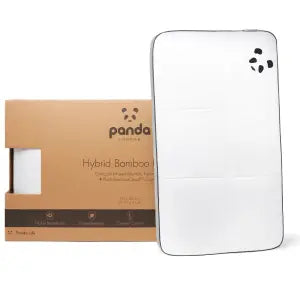 Hybrid Bambuskissen
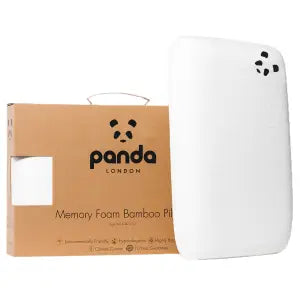 Memory Foam Bambuskissen
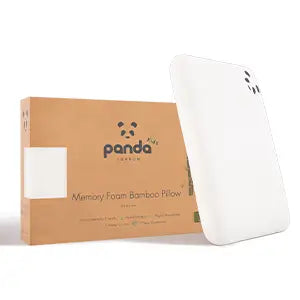 Memory Foam Bambuskissen für Kinder
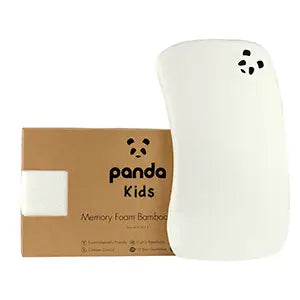 Baby Memory Foam Bambuskissen
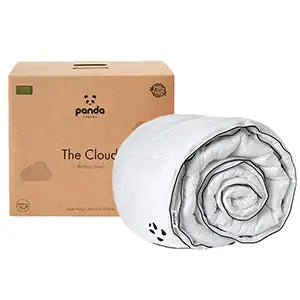 Panda Bettdecke Cloud
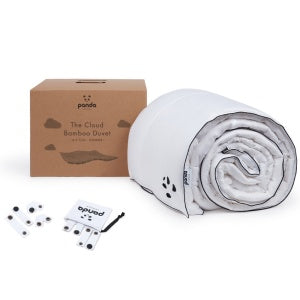 Sommerbettdecke aus Bambus
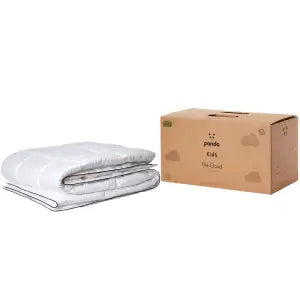 Kinder Cloud Bettdecke
Is your bed ready for winter? Because we’re guessing you’re ready for your winter bed at 4 pm. As the weather turns colder and the nights get longer, your body naturally starts producing more melatonin (the “sleep hormone”) earlier in the evening, which makes you feel sleepier and changes when you want to go to bed and wake up.
To get the best sleep during the coldest months of the year, you need bedding which is up to the challenge. Your summer bedding of sheets or a low tog duvet won’t keep you warm, but layering with blankets can trap pockets of air, keep in warmth and maximise comfort without turning up the heating.
Why winter bedding warms
We spend approximately an hour longer asleep in the winter months, and we need half an hour extra of REM sleep, according to a 2023 study. Which means you'll be spending a lot of time under your covers. You may be forgiven for thinking you need to load yourself up with a heavy tog duvet or a heated blanket, but your temperature actually drops slightly before you can comfortably fall asleep. The cooling signals it's time for sleep.
Don’t worry, we won’t keep the secret to winter bedding under wraps. It’s all down to insulation—like a good duvet, mattress topper, or layers that trap air – it acts as a buffer. It helps your body get in the “thermal zone” even as your core temperature naturally falls. You stay warm enough at the surface without needing to curl up tighter or wake up to adjust the covers. This reduces restlessness, and you’ll awake feeling refreshed in the morning. Layers are a good way of easily adjusting your temperature and suit differing weather conditions.

What to Swap: Key Winter Bedding Materials
Swap Out Your Sheets
If your sheets aren’t bamboo or brushed cotton, you may need to swap them in the colder months, as these are both the best choices for winter bedding as they’re soft, highly breathable and retain heat.
Upgrade Your Down
In winter, your duvet may need an upgrade for three main reasons: its fill, TOG rating, and fabric.
Fill Power
When it comes to your duvet keeping you snug as a proverbial, it’s what’s inside that counts. In easy-to-understand terms, fill power is the measure of the duvet’s quality and fluffiness.
Typical fill power values:
- 500–600: decent, mid-range
- 650–750: high quality
- 800+: premium, very lofty
High fill power can trap heat, so it’s important to choose a highly breathable duvet cover material such as bamboo. A high fill power also provides thickness and puffiness. Superior quality down usually retains thickness longer, so the duvet stays warmer over time. Fill power alone does not indicate duvet warmth; you need to combine it with TOG.
TOG
Short for thermal overall grade, TOG is a measure of thermal insulation (how well something resists heat loss). It’s a common grading in the UK and European bedding.
- 1.0–4.5 tog – hot climates / high-summer
- 7.5–10.5 tog – spring/autumn or cool sleepers in mild homes
- 10.5–13.5 tog – standard winter warmth
- 13.5–15 tog – very warm / very cold homes or climates

Down vs bamboo - which one is best for you?
We’ve got all the insider info on bamboo and down, so we’ve weighed up the pros and cons of these duvet fill options based on their warmth, weight, and suitability for sensitive skin or those with allergies.
Down fill
- Excellent warmth and its lightweight
- The higher the fill power, the more air it traps and therefore the more insulating it is.
- Ideal for very cold winters or cold climates because you can get the highest TOG (e.g. 12–15) and down still feels light and puffy
- Not the best choice for allergy sufferers as it's made with feathers and dust mites live in the filling if it's old or low quality
Bamboo
- Warm and thermoregulating – adjusting you to the best temperature for sleep
- Good for hot sleepers as it’s breathable
- Gives a hug like a gentle weighted blanket
- Drapes
- Recommended for allergy sufferers as it's naturally hypoallergenic and antibacterial with smooth fibres which don’t irritate the skin
Bamboo is also an excellent choice for your duvet cover, as it’s thermoregulating, helping you stay at the best temperature for sleep. Bamboo is also moisture-wicking, drawing any moisture away from your body, so you feel warm, dry and comfortable at night. Soft and smooth, bamboo textures feel luxurious on the skin. Another alternative is fleece, as it is good at holding onto heat, trapping air in its fibres. The plush texture of fleece is quick-drying and feels cosy and warm.

Why pillows matter more in winter
When all your bedding matches, it’s such a joyful experience, and if you’re going to invest in a bamboo duvet and case, you should also buy pillow cases for your pillows - they deserve it! Keeping a consistent fabric choice, such as bamboo or cotton, for all your bedding also provides more warmth. Speaking of pillows, they can play a major role in heat transfer. Here’s why:
- A nest for your head, providing a soft, padded buffer against the cold
- You can use pillows as a barrier between you and cold walls. You can also place pillows around your torso and your sides for a cocoon-like set-up
- Adding them to the foot of the bed blocks out draughts
Keep in heat top to toe with toppers and protectors
Top up your heat with a topper, one containing memory foam, which responds to heat and pressure, so it softens slightly where your body is, letting you sink in and giving your body a hug. As the foam is full of tiny cells which trap air, the cold has nowhere to escape. Less airflow means you’ll be well insulated. Many people find memory foam too hot because it's much warmer than other surfaces. A bamboo memory foam topper will help the surface become breathable.
HydroFoam™ innovation used in our Memory Foam Bamboo Mattress Topper infuses 3rd-generation memory foam with cooling microgel capsules, helping counteract heat. So you have all the warming benefits of the foam without overheating.
To really clean up your sleep, add a mattress protector to your topper. Adding a hygienic yet insulating layer, our ultra-thin and waterproof Bamboo Mattress Protector will create a barrier against moisture, dirt and dust. As it’s winter, the more snug it is, the better. If it fits well, the protector won’t get misplaced in the night, leaving your bed exposed to cold spots of air.
What to Add: Get Extra cosy for Winter
Weighted Blankets & Quilts
Sleeping under a weighted blanket can make many feel safe and secure due to the pressure it applies. Calming the nervous system, the pressure of a weighted blanket imitates a hug, or being tucked into bed - a gentle feeling of reassurance before bedtime. If the blanket provides pressure, a comforter or duvet insulates. Working as a dream team the weighted blanket keeps warm air close to your body; the comforter sits above that layer and prevents the warmth from escaping.
Throws, Blankets & Decorative Layers
We have not quite covered all the layering options to keep you snuggled up. Throws are also a stylish and popular option as they are usually knitted, faux fur or even cashmere. Perfect to throw on over the bed. Storing extra blankets in an airing cupboard is a way of planning for fluctuating temperatures.
Bedroom Environment Upgrades
Bed skirts are back in fashion, according to Country Living and they can also play a big role in your bedding this season. Not just pretty and whimsical, they block draughts. Couple this with thermal curtains and some scented candle accessories and you’re unlikely to leave your bedroom this winter.

How to Layer Winter Bedding: Step‑by‑Step
Not only a great asset to cakes or ogres, but layers also help set up your winter bed. From fundamental foundation layers to sustainable sheets, find our step-by-step guide to layering below:
Foundation Layer
- At the bottom of your bed foundation, place your mattress, then your topper and a snug mattress protector covering both, and finish with a fitted sheet in bamboo or brushed cotton.
- For a five-star look, employ the hotel method – crisp layered sheets, tight tucks with hospital corners and a flat sheet on top
Core Warmth Layer
- Place a lightweight wool or down blanket over the top sheet to trap heat without making the bed stuffy.
- Add your duvet or comforter on top; fold back the top edge to reveal textures and make adjustments easier.
Mid‑Layer & Temperature Control
- Add a weighted blanket between the sheets and the duvet for adjustable insulation.
- For nights when the temperature drops below zero, layer a lower tog duvet over the higher tog duvet. You can do this with our Bamboo Cloud Duvet 10.5 TOG and our Cloud Summer Duvet 4.5 TOG (which comes with our Snugglesnaps™ to combine them).
Finishing Finesse
- Drape your throw/s over the foot of the bed, choosing complementary colours to your winter palette
- Finish with your pillows at the head of your bed.
Customising for Climate & Sleep Preferences
If you have the heating on, or it’s a mild winter, you’ll not need many layers. You can sleep under a duvet with a TOG rating of 10.5. Otherwise, if the temperature in your room is below 15°C at night, or you feel the cold, you’ll need the extra warming layers of blankets, throws and a 15 TOG duvet. Always choose the most breathable options, especially if you sleep hot. Duvets which can be combined and bed linens in natural materials such as bamboo or cotton are the best for airflow.
Sustainable & Eco‑Friendly Options
Have you decided which bedding is for you? Organically sourced cotton and bamboo options are great all-rounders as they’re highly breathable and thermoregulating, but they’re also sustainable. All three of our collections at Panda have the OEKO‑TEX® Standard 100, meaning that they do not contain any harmful chemicals.
Conclusion
To winterproof your bed, you just need to remember three things: what you swap, add and layer. Start by updating the bedding basics – your sheets, duvet and pillows – to versions that suit your sleep style, room temperature and sudden cold snap. Then bring in those comfort-boosting extras: a mattress topper for softness and insulation, a heavier duvet TOG or extra blanket for warmth, and a mix of textures that feel dream-like the moment you get into bed.
Finally, don’t underestimate the power of layering. Having options means you can easily adjust your bedding as the temperature changes through the night (or the season), instead of waking up too hot or too cold. With breathable and natural fibre layers, your bed can become a retreat you’ll look forward to climbing into every evening. And we won’t judge you if you do that at 4 pm.
![[all] Bamboo Mattress Protector Package - PandaLondon](http://pandalondon.com/cdn/shop/files/Bamboo_Mattress_Protector_-_Packaging_Image_-_White_Background.webp?v=1721139172&width=1900)
![[all] Bamboo Mattress Protector for Hybrid Bamboo Mattress](http://pandalondon.com/cdn/shop/files/Bamboo_Mattress_Protector_New.webp?v=1721138562&width=1000)
![[all] Book on a Bamboo Mattress Protector](http://pandalondon.com/cdn/shop/products/Mattress-Protector-Listing-Images02.jpg?v=1721139189&width=1500)
![[all] Bamboo Mattress Protector Corner](http://pandalondon.com/cdn/shop/products/Mattress-Protector-Listing-Images03-e1623787734812.jpg?v=1721139189&width=1300)
![[all] Bamboo Mattress Protector Corner in line Panda London](http://pandalondon.com/cdn/shop/products/Mattress-Protector-Listing-Images04.jpg?v=1721139183&width=1500)
![[all] Panda Bamboo Mattress Protector Panda London](http://pandalondon.com/cdn/shop/files/Panda-Bamboo-Mattress-Protector-Guarantee-768x768_jpg_450393f5-91a9-499f-b15a-12d636a9a8b7.webp?v=1721139183&width=768)