Duvet TOG Guide: What TOG Means, Plus a Full TOG Chart

TOG is the unit used to measure how well a duvet traps and holds heat. The scale runs from 1 to 15 – the higher the TOG, the warmer the duvet. Your ideal TOG depends on your bedroom temperature, the season, and how warm you tend to feel at night. Use our duvet TOG chart below to find your best fit.


What does duvet TOG mean?

A duvet TOG rating measures its thermal insulation, or how well it traps heat to help keep you warm. The higher the rating, the more warmth the duvet retains. However, TOG measures warmth only, not the duvet’s physical weight, thickness or breathability. These qualities depend on its filling and construction, too.

The TOG scale runs from 1 to 15. A 1 TOG duvet offers the lightest level of insulation, making it a good choice for very summer. At the other end, a 15 TOG duvet provides the highest level of insulation, making it more suitable for cold sleepers and winter.

Getting the right TOG matters because temperature plays an important part in sleep comfort. The optimum sleeping temperature is roughly 15–20°C, although everyone's preferences differ. A duvet that feels too warm can leave you uncomfortable, while one that doesn't offer enough insulation can leave you reaching for extra layers. Choosing the right TOG helps you strike a comfortable balance.

Duvet TOG chart

Not sure which TOG to choose? Our duvet TOG rating chart is a handy starting point, whether you're shopping for a summer duvet or something cosier for colder nights.

Tog rating Warmth Best for Season / room Panda duvet

1–4.5

Lightest

Hot sleepers and warm rooms

Summer

7–10.5

Medium

Most sleepers

Spring, autumn and year-round use

12–13.5

Warm

Cold sleepers

Spring, autumn and year-round use

—

15

Warmest

Cold sleepers and draughty rooms

Deep winter and unheated rooms

How to choose the right TOG for you

There's no single TOG that's right for everyone. To find yours, start with how you sleep and work through the factors below.

How warm do you sleep? If you tend to overheat or kick off the covers during the night, a lower TOG may help you stay comfortable. If you often feel cold in bed, a higher TOG offers more insulation.

What's your bedroom temperature? A warm, well-insulated room may call for a lighter duvet, while a cold or draughty bedroom may need something more insulating. Consider how your room feels overnight rather than relying on the outdoor temperature alone.

Do you have the heating on at night? If your bedroom stays warm thanks to central heating, you may not need such a high TOG in winter. If you prefer to keep the heating low or off, a warmer duvet could be a better fit.

What season is it? A lighter duvet is often more comfortable in summer, while a higher TOG can come into its own when temperatures drop. A versatile mid-range TOG can work across much of the year, too.

What TOG duvet should I get?

For most UK sleepers, 4.5 TOG is a good starting point for summer and warmer nights, while a 10.5 TOG suits them for the rest of the year. If you sleep cold or have a chilly bedroom, consider 13.5–15 TOG for extra insulation. Use these as a starting point and adjust to suit your comfort.

Which TOG is best for summer, winter and all year round?

The right duvet can make all the difference to your bedtime comfort. Here's how to choose a TOG for every season.

What TOG duvet is best for summer?

A 1–4.5 TOG duvet is generally best for summer, when you want lighter insulation without feeling weighed down by your bedding. A 1 TOG option suits particularly hot climates, while 4.5 TOG is a practical choice for many UK homes.

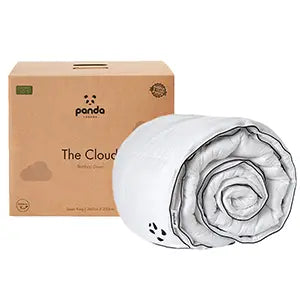
Our Cloud Bamboo Summer Duvet has a 4.5 TOG rating and a lightweight, breathable feel. Its bamboo-derived filling helps manage moisture and regulate temperature, making it a comfortable option when the weather warms up.

[WhiteDCFrench] Bamboo_and_French_Linen_Duvet_Cover_-_Coconut_White

What TOG duvet is best for winter?

A 12–15 TOG duvet is a good starting point for cold sleepers and colder bedrooms. If your room is well heated or you naturally sleep warm, however, a 7–10.5 TOG duvet may offer enough insulation without overheating.

Our Cloud Bamboo Duvet comes in 10.5 TOG, providing versatile comfort for much of the year. For those who need more warmth when temperatures fall, the Bamboo Cloud 3-in-1 All Seasons Duvet offers a flexible way to adjust your bedding.

[Cloud3in1] A man standing and opening a Panda London Duvet 3in1

What TOG duvet is best for all year round?

A 10.5 TOG duvet is a popular year-round choice for many UK homes. It offers a useful middle ground between lighter summer bedding and the higher insulation needed in colder conditions. Bamboo's temperature-regulating and moisture-wicking properties can help you stay comfortable as temperatures change, too.

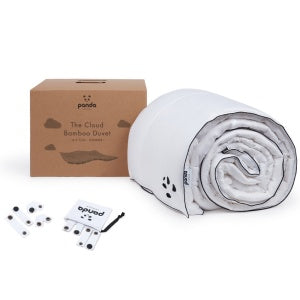
If you'd rather have more flexibility, our Bamboo Cloud 3-in-1 All Seasons Duvet gives you three TOG options from one set: 4.5, 10.5 and 15 TOG. The 4.5 TOG Summer Duvet attaches to the 10.5 TOG Cloud Duvet using SnuggleSnaps™, press stud fasteners on loops, for a warmer 15 TOG duvet. That means you can adapt your bedding to the season without needing a different duvet for every temperature.

For more advice on adjusting your bedding as the weather changes, read our guide on switching to an autumn duvet.

The perfect Panda Cloud duvet should be light, fluffy and lusciously soft.

Does duvet filling change the TOG?

Not directly. A duvet’s TOG rating measures how well it traps heat, regardless of its filling. However, two duvets with the same TOG can feel quite different depending on what’s inside. The filling affects factors such as weight, breathability and how  warm it feels, so it’s worth considering alongside the TOG rating. 

Natural vs synthetic duvet fillings

Natural fillings such as bamboo, wool and down, can offer breathability and temperature regulation, while synthetic fillings are often a practical, budget-friendly option that are easy to care for. The right choice depends on how you sleep, feel preference, and other sleep benefits.

Want to explore the differences in more detail? Read our Feather vs. Bamboo: Which Duvet Filling Is Right for You?

Filling Warmth Weight Allergy-friendly Eco credentials

Down / feather

High

Medium

May not suit everyone

Medium

Wool

High

Heavy

Generally well suited to many allergy sufferers

Medium

Bamboo-derived filling

Medium to high, depending on TOG and construction

Light

Often a good option for sensitive sleepers

High

Synthetic

Low to medium, depending on construction

Light

Depends on the filling

Low

Tog vs GSM: does duvet weight matter?

Tog and GSM measure two different things. Tog measures thermal insulation, or, how well a duvet retains heat, while GSM stands for grams per square metre and indicates the weight of its filling per unit of area.

GSM can help you understand how substantial a duvet might feel, but it doesn't tell you how warm it will be. A high-TOG duvet can feel light, while a heavier duvet isn't necessarily warmer. The filling and construction make a difference, too.

As a general guide, duvet filling weights are often grouped into these ranges:

  • Lightweight: 150–250 GSM
  • Medium weight: 300–400 GSM
  • Heavyweight: 450+ GSM

If you prefer a lighter feel, consider the filling weight  as well as the TOG rating. If you like a thicker, more enveloping duvet, a higher GSM may appeal to you. Neither is automatically better – it's about finding the combination that feels right for how you sleep.

What TOG duvet is right for a child or baby?

Children generally need a lower TOG duvet than adults because they're more vulnerable to overheating. A 4.5 TOG duvet is a suitable option for a child's bedroom at 18–20°C, the recommended temperature range referenced in our children's bedding guidance.

Babies under 12 months should not use a duvet. NHS guidance often recommends waiting longer before introducing one, so always follow current safe-sleep advice for your child's age.

For a more detailed breakdown of suitable ratings by age and temperature, read our Children's Duvet TOG Rating & Buying Guide. 

[Cloud3in1] Panda London Duvet rolled with snuggle snaps

 How often should you wash your duvet?

How often you wash your duvet depends on its filling and care requirements. Always check your care label. Below we provide general guidance.  

  • Bamboo or wool: Every 6–12 months
  • Down and feather options: 12–18 months
  • Synthetic: 6 months

For more advice on keeping your duvet in good condition, read our guide to washing and caring for your duvet.

FAQ

What does TOG mean on a duvet?

TOG is the unit used to measure a duvet's thermal insulation, or how well it traps and holds heat. Ratings range from 1 to 15, with a higher number indicating greater insulation. Your ideal TOG depends on your bedroom temperature, how warm you sleep, and the season.

What TOG duvet should I get?

For summer and warmer bedrooms, 4.5 TOG is a good starting point. A 10.5 TOG duvet suits many people for much of the year, while 12–15 TOG can work well for cold sleepers and chilly bedrooms. Consider your own comfort as well as the temperature of your room.

What TOG is best for winter?

A 12–15 TOG duvet is generally a good choice for cold sleepers and unheated or draughty bedrooms. If you keep the heating on at night or sleep warm, a 7–10.5 TOG duvet may be enough. Choose the rating that keeps you comfortable without overheating.

What TOG is best for summer?

A 1–4.5 TOG duvet is usually best for summer. A 1 TOG duvet suits very hot climates, while 4.5 TOG is a versatile option for many UK homes. Breathable, moisture-wicking materials can also help you stay comfortable when temperatures rise.

Is 10.5 TOG good for all year round?

Yes. A 10.5 TOG duvet is a popular all-year-round choice for many UK sleepers, offering a balance between warmth and versatility. If your room gets particularly hot or cold, you may prefer a lighter or warmer option. A 3-in-1 duvet offers more flexibility across the seasons.

What's the difference between TOG and GSM?

Tog measures a duvet's thermal insulation, while GSM measures the weight of its filling per square metre. A higher TOG means greater heat retention, but a higher GSM simply means more filling weight per area. Both can influence how a duvet feels, so consider them TOGether when choosing your bedding.

Close-up of a white cloud duvet with black piping, gold-tone buttons, and a small visible Panda label.

Find your perfect duvet

Whether you prefer a light layer for warmer nights or a cosier cover when temperatures drop, the right TOG helps make bedtime more comfortable. Explore Panda's bamboo duvets to find the warmth, weight and feel that suits you best.