
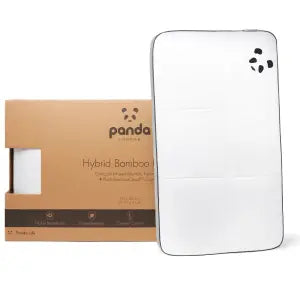
 Hybrid Bambuskissen
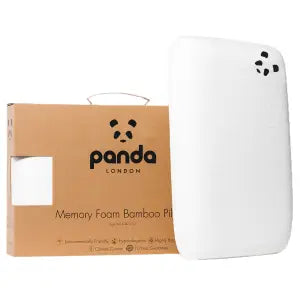 Memory Foam Bambuskissen
 Memory Foam Bambuskissen für Kinder
 Baby Memory Foam Bambuskissen
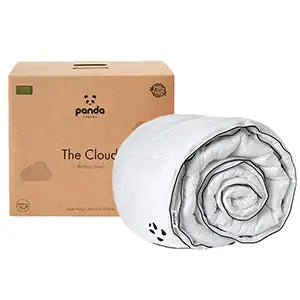 Panda Bettdecke Cloud
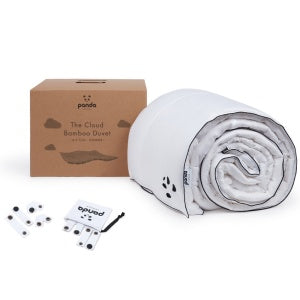 Sommerbettdecke aus Bambus
 Kinder Cloud Bettdecke
![[MattressTopper] Panda London Memory Foam Bamboo Mattress Topper package box](http://pandalondon.com/cdn/shop/files/VWO_Bamboo_Mattress_Topper_Package_Box_d993d5ee-75df-4efc-906a-0b4e8b0116f3.webp?crop=region&crop_height=740&crop_left=185&crop_top=0&crop_width=740&v=1773853354&width=1110)
![[MattressTopper] Panda London Memory Foam Bamboo Mattress Topper on the floor](http://pandalondon.com/cdn/shop/products/Panda-Memory-Foam-Bamboo-Mattress-Topper-Yoga-e1624045454555.jpg?v=1773853354&width=1000)
![[MattressTopper] Bamboo Mattress Topper Lifestyle Image with Memory Foam Pillows Product Page](http://pandalondon.com/cdn/shop/files/Bamboo_Mattress_Topper_Lifestyle_Image_with_Memory_Foam_Pillows_Product_Page.webp?v=1773853354&width=800)
![[MattressTopper] Bamboo Mattress Topper Lifestyle Image with Bamboo Pillows In the Garden room Product Page](http://pandalondon.com/cdn/shop/files/Bamboo_Mattress_Topper_Lifestyle_Image_with_Bamboo_Pillows_In_the_Garden_room_Product_Page.webp?v=1773853354&width=800)
![[MattressTopper] Panda London Memory Foam Bamboo Mattress Topper side](http://pandalondon.com/cdn/shop/files/Mattress_Topper_Isolated_-_resized.jpg?v=1773853354&width=800)
![[HybridMattressPro] Hybrid_Bamboo_Mattress_Pro_Product_Image_2026](http://pandalondon.com/cdn/shop/files/Hybrid_Bamboo_Mattress_Pro_Product_Image_2026.webp?v=1764944771&width=1000)
![[HybridMattressPro] Breathable Hybrid Bamboo Mattress](http://pandalondon.com/cdn/shop/products/Breathable-Hybrid-Bamboo-Mattress.jpg?v=1764944771&width=1920)
![[HybridMattressPro] Hybrid Bamboo Mattress Pro Cover Zip](http://pandalondon.com/cdn/shop/files/Hybrid_Bamboo_Mattress_Cover.jpg?v=1764944771&width=800)
![[HybridMattressPro] Panda Hybrid Bamboo Mattress Pro](http://pandalondon.com/cdn/shop/files/Hybrid_Bambo_Memory_Foam_Mattress_-_BioCell_Foam_x.jpg?v=1764944771&width=800)
![[HybridMattressPro] Couple on a Hybrid Bamboo Mattress Pro](http://pandalondon.com/cdn/shop/files/Hybrid_Bamboo_Mattress_Couple.jpg?v=1764944771&width=800)
![[CloudDuvet] Panda London The Cloud Bamboo Duvet Packaging](http://pandalondon.com/cdn/shop/products/Panda-London-The-Cloud-Bamboo-Duvet-Panda-Life-scaled_00a651ad-4ca3-4105-b520-12a94c1a4f71.jpg?v=1713363286&width=1920)
![[CloudDuvet] Panda London The Cloud Bamboo Duvet Rolled](http://pandalondon.com/cdn/shop/products/Duvet-Listing-Images03.jpg?v=1764079307&width=1000)
![[CloudDuvet] Panda London The Cloud Bamboo Duvet Girl Huggin a Duvet on the Bed](http://pandalondon.com/cdn/shop/files/Cloud_Bamboo_Duvet_-_Lady_Hugging_it_on_Bed_LifestyleImage.jpg?v=1764079307&width=1000)
![[CloudDuvet] Panda London The Cloud Bamboo Duvet Guy In the Air with Cloud Bamboo Duvet](http://pandalondon.com/cdn/shop/files/GuyonaHybridBambooMattresswithCloudDuvet.jpg?v=1772559689&width=2000)
![[CloudDuvet] Panda Cloud Duvet Winter on the bed lifestyle image](http://pandalondon.com/cdn/shop/files/Panda_Cloud_Duvet_Winter_on_the_Bed_Lifestyle-1_image.jpg?v=1772559689&width=1000)
![[BBWhite] 100_Bamboo_Bedding_Set_Pure_White](http://pandalondon.com/cdn/shop/files/100_Bamboo_Bedding_Set_Pure_White_01.webp?v=1781082973&width=1080)
![[BBWhite] White 100% Bamboo Bedding Texture](http://pandalondon.com/cdn/shop/files/100_Bamboo_Bedding_-_Pure_White_-_Close_Up_02.webp?v=1773611287&width=1000)
![[BBWhite] 100_Bamboo_Bedding_Set_Pure_White couple laughing](http://pandalondon.com/cdn/shop/files/100_Bamboo_Bedding_Set_Pure_White_02.webp?v=1781082974&width=1080)
![[BBWhite] White 100% Bamboo Bedding Woman Duvet cover buttons](http://pandalondon.com/cdn/shop/files/hand_and_buttons_1.webp?v=1773611287&width=1000)
![[BBWhite] 100_Bamboo_Bedding_Set_Pure_White woman sleeping](http://pandalondon.com/cdn/shop/files/100_Bamboo_Bedding_Set_Pure_White_03.webp?v=1781082973&width=1080)
![[BBUrbanGrey] 100_Bamboo_Bedding_Set_Urban_Grey_guy laying on the bedding](http://pandalondon.com/cdn/shop/files/100_Bamboo_Bedding_Set_Urban_Grey_01.webp?v=1781083567&width=1080)
![[BBUrbanGrey] Cloud Duvet Urban Grey 100% Bamboo Bedding Set](http://pandalondon.com/cdn/shop/files/Cloud_Duvet_-_Grey_-_Close_up_2.webp?v=1773611287&width=1000)
![[BBUrbanGrey] 100_Bamboo_Bedding_Set_Urban_Grey_woman opening the bedding bag](http://pandalondon.com/cdn/shop/files/100_Bamboo_Bedding_Set_Urban_Grey_02.webp?v=1781083568&width=1080)
![[BBUrbanGrey] 100_Bamboo_Bedding_Set_Urban_Grey_woman making the bed](http://pandalondon.com/cdn/shop/files/100_Bamboo_Bedding_Set_Urban_Grey_04.webp?v=1781083567&width=1080)
![[BBUrbanGrey] 100_Bamboo_Bedding_Set_Urban_Grey_couple reading magazines](http://pandalondon.com/cdn/shop/files/100_Bamboo_Bedding_Set_Urban_Grey_03.webp?v=1781083567&width=1080)
![[BBNavyBlue] Deep Sea Navy Blue 100% Bamboo Bedding Set couple reading a magazine](http://pandalondon.com/cdn/shop/files/100_Bamboo_Bedding_Set_Deep_Sea_Navy_01.webp?v=1781083134&width=1080)
![[BBNavyBlue] Deep Sea Navy Blue 100% Bamboo Bedding Texture](http://pandalondon.com/cdn/shop/files/Cloud_Duvet_-_Navy_-_Close_up_2.webp?v=1773611287&width=1000)
![[BBNavyBlue] Deep Sea Navy Blue 100% Bamboo Bedding Set couple reading a magazine and smiling](http://pandalondon.com/cdn/shop/files/100_Bamboo_Bedding_Set_Deep_Sea_Navy_02.webp?v=1781083135&width=1080)
![[BBNavyBlue] Deep Sea Navy Blue 100% Bamboo Bedding Set woman resting](http://pandalondon.com/cdn/shop/files/100_Bamboo_Bedding_Set_Deep_Sea_Navy_04.png?v=1781083138&width=1080)
![[BBNavyBlue] Deep Sea Navy Blue 100% Bamboo Bedding Set guy laying and smiling](http://pandalondon.com/cdn/shop/files/100_Bamboo_Bedding_Set_Deep_Sea_Navy_03.webp?v=1781083134&width=1080)
![[BBPink] Vintage Pink Blue 100% Bamboo Bedding woman making the bed](http://pandalondon.com/cdn/shop/files/100_Bamboo_Bedding_Set_Pink_01.webp?v=1781083678&width=1080)
![[BBPink] Vintage Pink Texture 100% Bamboo Bedding](http://pandalondon.com/cdn/shop/files/Cloud_Duvet_-_Pink_-_Close_up_2.webp?v=1773611287&width=1000)
![[BBPink] Vintage Pink Blue 100% Bamboo Bedding woman hugging the pillow with vintage pink pillow case](http://pandalondon.com/cdn/shop/files/100_Bamboo_Bedding_Set_Pink_02.webp?v=1781083678&width=1080)
![[BBPink] Vintage Pink Blue 100% Bamboo Bedding woman hiding under duvet with pink duvet cover](http://pandalondon.com/cdn/shop/files/100_Bamboo_Bedding_Set_Pink_03.webp?v=1781083679&width=1080)
![[BBPink] Vintage Pink Blue 100% Bamboo Bedding woman laying and smiling on the panda bedding set](http://pandalondon.com/cdn/shop/files/100_Bamboo_Bedding_Set_Pink_04.webp?v=1781083679&width=1080)
![[BBGrey] 100_Bamboo_Bedding_Set_Quiet_Grey_ woman holding the bedding](http://pandalondon.com/cdn/shop/files/100_Bamboo_Bedding_Set_Quiet_Grey_01.webp?v=1781083287&width=1080)
![[BBGrey] Light Grey 100% Bamboo Bedding texture](http://pandalondon.com/cdn/shop/files/Texture17.webp?v=1773611287&width=1000)
![[BBGrey] 100_Bamboo_Bedding_Set_Quiet_Grey_0guy laying and smiling](http://pandalondon.com/cdn/shop/files/100_Bamboo_Bedding_Set_Quiet_Grey_02.webp?v=1781083287&width=1080)
![[BBGrey] 100_Bamboo_Bedding_Set_Quiet_Grey_0guy reading a magazine on the bed](http://pandalondon.com/cdn/shop/files/100_Bamboo_Bedding_Set_Quiet_Grey_03.webp?v=1781083287&width=1080)
![[BBGrey] 100_Bamboo_Bedding_Set_Quiet_Grey_0woman making the bed](http://pandalondon.com/cdn/shop/files/100_Bamboo_Bedding_Set_Quiet_Grey_04.webp?v=1781083287&width=1080)

Quick Answer:
To store bedding properly, wash and fully dry it first, then fold it neatly into a breathable cotton or canvas storage bag, and keep it in a cool, dry, dark place such as a linen cupboard, wardrobe, or under-bed drawer. Avoid sealed plastic bags (they trap moisture and cause mould), avoid attics, basements and garages (extreme temperatures and humidity damage fabric), and never stack heavy items on top of stored bedding. Add a lavender sachet or cedar block to keep it smelling fresh.
Bedding is best when it feels fresh, clean and comfortable, but when it has been stored away for months, it can easily lose these qualities, becoming musty and discoloured. You should be able to use your sheets for many years to come, without needing to spend money buying sets every season.
In this guide we’ll give you our advice on how to store your bedding so it’s protected from mould, bacteria and dust, ensuring you can use it all year round.
The global home bedding market was estimated at USD $113.49 billion in 2024, and with the average household owning three to five extra sets, it proves that we all like to have a clean sheet. And with all these sets at home, you need to find a good place to store them.
Why Storing Bedding Correctly Matters
Storing bedding correctly protects it from mould, pests, fading and structural damage — and the single most important rule is to store it clean, fully dry, and in a cool, dark place. Get those three right and bedding can last for many years; get them wrong and the consequences range from creasing and discolouration at best to bad odour, mould growth and pest infestation at worst.
Dirty or damp bedding, especially when sealed inside an airtight plastic container, creates ideal conditions for mould and provides a hospitable environment for pests. Dead skin cells, skin oils and food particles attract moths, carpet beetles and other insects — which is why washing bedding before storage matters as much as where you store it. Light is the other quiet enemy: silk and high-thread-count fabrics fade with too much exposure, and ambient humidity gradually weakens fibre structure over time.

Before You Store — The Essential Prep Steps
Before storing bedding, follow four essential prep steps: wash it, dry it completely, inspect it for damage, and fold it properly. Skipping any of these is the most common reason bedding comes out of storage musty, mouldy or moth-eaten.
Step 1: Wash bedding
Even if your bedding looks clean, wash it before storing to remove oils and dead skin cells. Any residual dirt attracts moths and carpet beetles. Check the care label — silk, cashmere and wool may need professional cleaning.
Step 2: Dry completely
Bedding must be fully dry before storage. Damp bedding is the single biggest cause of mould in storage. Don't overload your tumble dryer with bulky items like duvets — they won't dry evenly. Wool dryer balls help separate laundry, improve circulation and reduce drying time. Air drying is best for delicate fabrics and adds a fresh scent, with the bonus of being better for the environment. Always check bedding feels dry all the way through, not just on the surface.
Step 3: Inspect for damage
Check for loose threads, holes and pilling. Treat any stains now — they become significantly harder to remove if left for months in storage.
Step 4: Fold properly
Use the KonMari method for fitted sheets, so they stand upright and stack neatly. Lay the sheet flat, tuck the corners into the corners until it forms a rectangle. An alternative KonMari approach is to put the fitted sheet, flat sheet and one pillowcase inside the second pillowcase — creating a complete bedding set bundle that folds and stands upright.
When it comes to your comforter, roll it loosely and tie it with a ribbon so it maintains its loft. Fold your duvet in wide, soft folds, avoiding sharp creases. Stack your blankets at the bottom and don’t place any weight on top of the bedding.
Choosing the Right Storage Container
The best container for storing bedding is a breathable cotton or canvas bag, which protects from dust without trapping moisture. Avoid sealed plastic bags for long-term storage — they trap moisture and encourage mould — and only use airtight containers when bedding is fully dry and a silica gel packet is added.
|
Container Type |
Best For |
Pros |
Cons |
|
Linen closet shelf with dividers |
Everyday bedding sets |
Easy to access, keeps stacks upright, good for changing sheets regularly |
Can get messy if not folded consistently |
|
Fabric storage bins |
Storing sheets, pillowcases, duvet covers |
Soft, breathable, attractive, easy to label |
Less structured than hard bins, can take up space |
|
Clear plastic bins |
Seasonal or rarely used bedding |
Protects from dust and moisture, contents are visible |
Less breathable; bulky in small spaces |
|
Under-bed storage bags |
Extra comforters, quilts, guest bedding |
Saves closet space, great for large items |
Can be inconvenient to access often |
|
Vacuum-seal bags |
Bulky seasonal bedding, spare duvets |
Maximises space, protects from dust |
Can compress natural fills too much; not ideal for daily use |
|
Baskets |
Blankets, throws, decorative bedding |
Looks stylish, easy to grab items |
Open baskets collect dust |
|
Pillow case bundles |
Keeping full sheet sets together |
Simple, tidy, prevents mismatched sets |
Works best for sheets, not bulky bedding |
|
Drawer storage with vertical folding |
Fitted sheets, pillowcases, kids’ bedding |
KonMari-friendly, everything visible at once |
Requires careful folding to maintain neatness |
|
Zippered bedding storage bags |
Guest bedding or off-season linens |
Breathable options available, easy to stack |
Contents may not be visible unless labeled |
|
Cedar chest or storage bench |
Blankets, heirloom linens, guest bedding |
Doubles as furniture, protects from dust |
Heavy, less practical for frequent access |
Where to Store Bedding (Best & Worst Locations)
The best places to store bedding at home are linen cupboards, bedroom wardrobes, under-bed storage and ottomans — anywhere with good airflow, stable temperature, low humidity and protection from sunlight. Avoid attics, basements, garages and sheds, where heat, damp and pests destroy fabric over time.
Best locations:
- Linen cupboard — good airflow, stable temperature, naturally dark
- Bedroom wardrobe — usually has shelving and keeps bedding away from humidity sources
- Under-bed storage — easy access for frequently rotated sets; use breathable bins or drawers
- Ottoman or storage bench — functional, space-efficient and out of direct light
- Bedroom wardrobe drawers — ideal for sheets and pillowcases
Locations to avoid:
- Attics — temperature swings and excessive heat damage fibres
- Basements — high humidity and moisture risk
- Garages and sheds — pests, damp, and temperature fluctuation
Integrated bedroom storage is becoming increasingly popular for good reason, particularly in smaller homes. In the UK, search interest for Ottoman beds and storage beds has grown 35–40% year-on-year, reflecting increased demand for built-in bedroom storage. (Furniture News, citing the Salience 2025 Beds & Mattresses Industry Report)
How to Store Different Types of Bedding
How to Store Sheets & Pillowcases
Store sheets and pillowcases by keeping each bedding set together — typically by bundling the fitted sheet, flat sheet and pillowcases inside one of the matching pillowcases. This keeps sets matched, makes them easy to find at changeover, and saves cupboard space.
Once bundled, you can stack the sets on a linen cupboard shelf, place them in fabric bins, or store them vertically in a drawer using the KonMari method. Storage organisers and bands are an alternative for keeping sets together.
If you prefer to store pillowcases separately, sort sheets by size — particularly useful in households with multiple bed sizes, where mixed-up sets become a common annoyance. Avoid stuffing bedding into tight spaces, and add a lavender sachet to the drawer or cupboard to keep stored sheets smelling fresh.
How to Store Duvets & Duvet Covers
Store duvets in a breathable cotton bag in a linen cupboard, with plenty of space — never squashed into a tight container, which flattens the fill and damages the bedding. Vacuum-seal bags are a workable space-saving option for guest duvets or seasonal duvets you only use part of the year, since they remove excess air.
Duvet covers can be folded away with their matching sheets. Keep each cover bundled with its matching pillowcases or full sheet set inside one of the pillowcases — the same bundle method used for sheets.
How to Store Comforters & Heavy Blankets
Store seasonal comforters in breathable zippered storage bags, cotton storage bags or under-bed fabric containers — anything that protects from dust without trapping moisture. For everyday comforters and heavy blankets, fold them neatly into a linen cupboard or ottoman.
Don't stack heavy blankets on top of one another. The weight flattens the fill, and it makes the bottom layers awkward to reach when you need them.
How to Store Wool & Specialty Blankets
Never hang wool, cashmere, alpaca or mohair blankets — hanging stretches and distorts the fibres. Fold them loosely instead, store in a breathable cotton bag, and keep in a cool, dry place away from direct sunlight.
For more delicate fabrics like cashmere, place acid-free tissue paper between the folds to prevent creasing and protect the fibres long-term.
How to Store Pillows
Make sure your pillows are clean and dry before storing so they don’t lose their shape. Pick a cool and dry place with good airflow. Pillows can be put away in your linen cupboard or a breathable fabric bin. Similarly to duvets, they shouldn’t be crammed into a space, as this can cause them to flatten and lose their support.
Memory foam or latex pillows should be stored in a protective cover or breathable bag away from heat or direct sunlight, as these factors can break down the materials.
Seasonal Bedding Storage Tips
Rotate your bedding twice a year — swap to lighter covers in spring, heavier ones in autumn — and air out stored bedding for a few hours before putting it back on the bed. A small amount of organisation here makes seasonal changeovers far easier.
A few extra tips:
- You generally don't need to re-wash bedding that was stored clean and dry — unless it has been in storage for over six months, in which case a refresh wash is sensible
- Label storage bags with their contents, size and season
- For households with multiple bed sizes, a simple linen inventory (a spreadsheet or labelling system) saves real time at seasonal changeovers
Common Bedding Storage Mistakes to Avoid
The most common bedding storage mistakes are storing it damp, not washing it before storage, sealing it in plastic, and choosing the wrong location. Each of these accounts for the majority of mould, pest and odour problems people experience with stored bedding.
The full list of common mistakes:
- Storing damp bedding — guaranteed route to mould and a musty smell
- Skipping the pre-storage wash — invisible oils and skin cells attract pests and cause discolouration over time
- Sealing down or delicate fabrics in plastic — compresses fill and traps moisture
- Storing in attics, garages or basements — temperature extremes and humidity destroy fabric
- Stacking heavy items on top of down bedding — permanently flattens the filling
- Skipping pest deterrents — cedar and lavender aren't optional extras; they meaningfully reduce moth damage
- Overpacking storage containers — restricts airflow and causes set-in creases
Never rotating long-term stored bedding — creates mustiness and uneven wear
Conclusion
To get the best out of your bedding even after storage, follow these simple steps: wash bedding, dry it completely, put away in a breathable container, and store in a cool, dark, dry place. Whether you’re storing your sheets, pillows, duvets, comforters, or blankets, these steps help prevent musty odors, moisture damage, pests, and unnecessary wear and tear.
Good bedding storage does more than keep your linen cupboard tidy. It helps preserve fabric quality, extend the lifespan of your bedding, and ensure your linens feel fresh, clean, and bed-ready every time you need them.
For more bedding care tips, explore our related guides on How to Wash Your Duvet and How to Transition Your Bedroom from Winter to Spring.
FAQs
1. Should you wash bedding before storing it?
Yes, you should wash your bedding before you store it, because if you don’t it can become odorous and mouldy.
2. Can bedding grow mould in storage?
Yes, bedding which becomes mouldy in storage is usually due to it not being completely dry when put away, or the place in which it’s stored is damp and humid.
3. Is it OK to store bedding in plastic bags?
Plastic bags don’t make good storage containers because they’re not breathable.
4. What is the best container for storing bedding?
The best container for bedding storage is a cotton or canvas bag as they’re soft and breathable.
5. Where should you store bedding at home?
The best places to store your bedding at home are dedicated linen cupboards, under your bed, bedroom drawers or an ottoman.
6. How do you store a duvet long-term?
A duvet should have a lot of space in storage and not be squashed into a container. Fold your duvet loosely and put it into a cotton storage bag.
7. How do you keep stored bedding smelling fresh?
To keep your stored bedding smelling fresh, wash beforehand and put it in a breathable container away from direct sunlight, dampness and humidity. You can add lavender and cedar block fresheners in the area with your stored bedding.
8. How often should you wash bedding in storage?
If you wash your bedding before it's stored, when you retrieve it you won’t need to wash it before putting it on your bed. However, if it has been stored away for over six months you should clean it again before use.
9. Can you store bedding in a vacuum bag?
Yes vacuum bags are a good option for duvets that you use infrequently as they remove excess air.
About the Author:
Caroline Barnes is the Content Writer at Panda, creating content on sleep, well-being, sustainability, and home decoration. Her articles span everything from breathable bedding and sleep advice to circular initiatives that help reduce waste and support more mindful choices at home. Born and raised in West London, she studied English Literature at university before spending several years in the high-paced fashion industry, where she learned to appreciate the value of quality sleep. Outside of writing, she enjoys going to gigs and practising yoga.
