
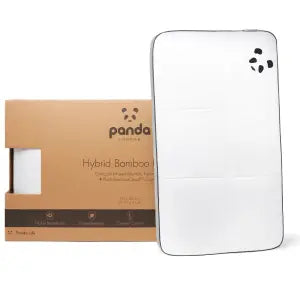
 Hybrid Bamboo Pillow
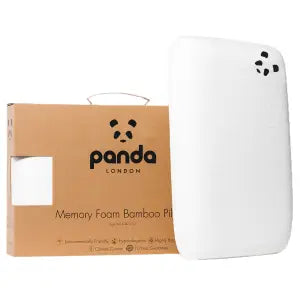 Memory Foam Bamboo Pillow
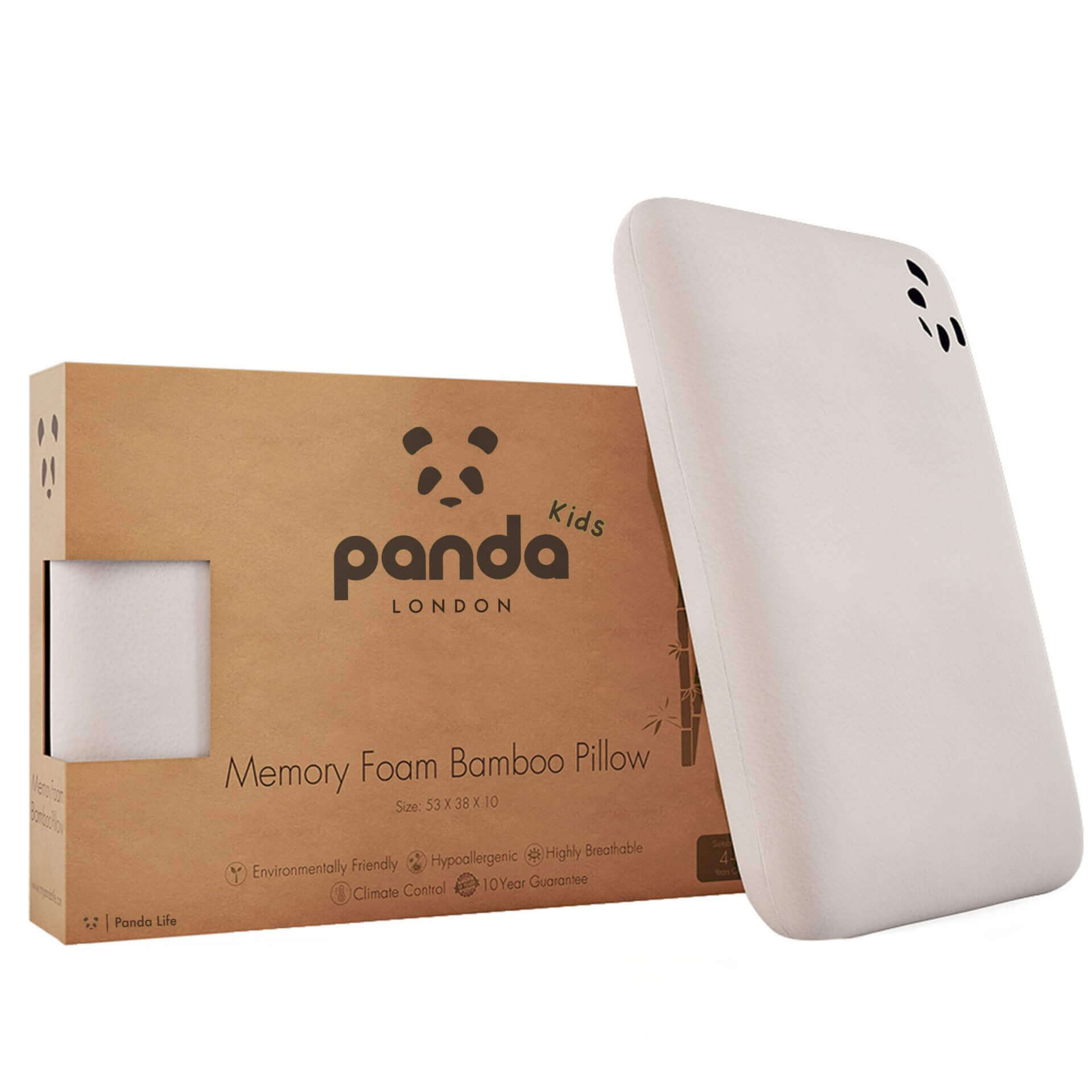
 Kids Memory Foam Bamboo Pillow
 Baby Memory Foam Bamboo Pillow
 Panda Cloud Duvet
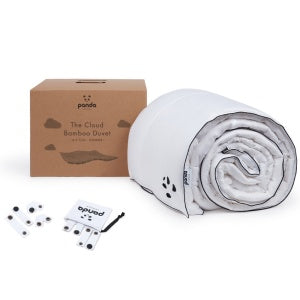 Bamboo Summer Duvet
 Kids Cloud Duvet
![[MattressTopper] Bamboo_Mattress_Topper_Package_Box-updated](http://pandalondon.com/cdn/shop/files/Bamboo_Mattress_Topper_Package_Box-updated.webp?crop=region&crop_height=1315&crop_left=92&crop_top=0&crop_width=1315&v=1782726992&width=1500)
![[MattressTopper] Woman laying on a Panda Bamboo Mattress Topper](http://pandalondon.com/cdn/shop/files/Bamboo_Mattress_Topper_Product_Image_01.webp?v=1782726484&width=1080)
![[MattressTopper] Guy laying on a Panda Bamboo Mattress Topper](http://pandalondon.com/cdn/shop/files/Bamboo_Mattress_Topper_Product_Image_02.webp?v=1782726484&width=1080)
![[MattressTopper] Woman setting up a Panda Bamboo Mattress Topper](http://pandalondon.com/cdn/shop/files/Bamboo_Mattress_Topper_Product_Image_03.webp?v=1782726484&width=1080)
![[MattressTopper] Panda London Memory Foam Bamboo Mattress Topper side](http://pandalondon.com/cdn/shop/files/Mattress_Topper_Isolated_-_resized.jpg?v=1773853354&width=800)
![[HybridMattressPro] Hybrid_Bamboo_Mattress_Pro_Product_Image_2026](http://pandalondon.com/cdn/shop/files/Hybrid_Bamboo_Mattress_Pro_Product_Image_2026.webp?v=1764944771&width=1000)
![[HybridMattressPro] A woman in white pajamas lies on her side on a mattress atop a gray upholstered bed frame in a softly lit bedroom. The mattress has a white top layer with a subtle geometric pattern and a black center band, with a small Panda Mattress logo patch visible on the side.](http://pandalondon.com/cdn/shop/files/Mattress_PRO-01.webp?v=1790672728&width=2049)
![[HybridMattressPro] Hybrid Bamboo Mattress Pro Cover Zip](http://pandalondon.com/cdn/shop/files/Hybrid_Bamboo_Mattress_Cover.jpg?v=1764944771&width=800)
![[HybridMattressPro] A woman in a cream-colored pajama set kneels beside a bed, holding down a mattress protector on a Panda Mattress to show its support and comfort.](http://pandalondon.com/cdn/shop/files/Mattress_PRO-03.webp?v=1790672728&width=2049)
![[HybridMattressPro] A woman in light pink pajamas sits on a Panda Bamboo mattress](http://pandalondon.com/cdn/shop/files/Mattress_PRO-04.webp?v=1790672728&width=2049)
![[CloudDuvet] Panda London The Cloud Bamboo Duvet Packaging](http://pandalondon.com/cdn/shop/products/Panda-London-The-Cloud-Bamboo-Duvet-Panda-Life-scaled_00a651ad-4ca3-4105-b520-12a94c1a4f71.jpg?v=1713363286&width=1920)
![[CloudDuvet] Panda London The Cloud Bamboo Duvet Rolled](http://pandalondon.com/cdn/shop/products/Duvet-Listing-Images03.jpg?v=1764079307&width=1000)
![[CloudDuvet] Guy making the bed with Panda Cloud Duvet 10.5 TOG](http://pandalondon.com/cdn/shop/files/Duvet_10.5_Tog-02.webp?v=1790607319&width=2049)
![[CloudDuvet] Guy reading a book on the bed covered with Panda Cloud Duvet 10.5 TOG](http://pandalondon.com/cdn/shop/files/Duvet_10.5_Tog-03.webp?v=1790607319&width=2049)
![[CloudDuvet] Guy making his bed with Panda Cloud Duvet 10.5 TOG](http://pandalondon.com/cdn/shop/files/Duvet_10.5_Tog-04.webp?v=1790607319&width=2049)
![[BBWhite] 100_Bamboo_Bedding_Set_Pure_White](http://pandalondon.com/cdn/shop/files/100_Bamboo_Bedding_Set_Pure_White_01.webp?v=1781082973&width=1080)
![[BBWhite] White 100% Bamboo Bedding Texture](http://pandalondon.com/cdn/shop/files/100_Bamboo_Bedding_-_Pure_White_-_Close_Up_02.webp?v=1773611287&width=1000)
![[BBWhite] 100_Bamboo_Bedding_Set_Pure_White couple laughing](http://pandalondon.com/cdn/shop/files/100_Bamboo_Bedding_Set_Pure_White_02.webp?v=1781082974&width=1080)
![[BBWhite] White 100% Bamboo Bedding Woman Duvet cover buttons](http://pandalondon.com/cdn/shop/files/hand_and_buttons_1.webp?v=1773611287&width=1000)
![[BBWhite] 100_Bamboo_Bedding_Set_Pure_White woman sleeping](http://pandalondon.com/cdn/shop/files/100_Bamboo_Bedding_Set_Pure_White_03.webp?v=1781082973&width=1080)
![[BBUrbanGrey] 100_Bamboo_Bedding_Set_Urban_Grey_guy laying on the bedding](http://pandalondon.com/cdn/shop/files/100_Bamboo_Bedding_Set_Urban_Grey_01.webp?v=1781083567&width=1080)
![[BBUrbanGrey] Cloud Duvet Urban Grey 100% Bamboo Bedding Set](http://pandalondon.com/cdn/shop/files/Cloud_Duvet_-_Grey_-_Close_up_2.webp?v=1773611287&width=1000)
![[BBUrbanGrey] 100_Bamboo_Bedding_Set_Urban_Grey_woman opening the bedding bag](http://pandalondon.com/cdn/shop/files/100_Bamboo_Bedding_Set_Urban_Grey_02.webp?v=1781083568&width=1080)
![[BBUrbanGrey] 100_Bamboo_Bedding_Set_Urban_Grey_woman making the bed](http://pandalondon.com/cdn/shop/files/100_Bamboo_Bedding_Set_Urban_Grey_04.webp?v=1781083567&width=1080)
![[BBUrbanGrey] 100_Bamboo_Bedding_Set_Urban_Grey_couple reading magazines](http://pandalondon.com/cdn/shop/files/100_Bamboo_Bedding_Set_Urban_Grey_03.webp?v=1781083567&width=1080)
![[BBNavyBlue] Deep Sea Navy Blue 100% Bamboo Bedding Set couple reading a magazine](http://pandalondon.com/cdn/shop/files/100_Bamboo_Bedding_Set_Deep_Sea_Navy_01.webp?v=1781083134&width=1080)
![[BBNavyBlue] Deep Sea Navy Blue 100% Bamboo Bedding Texture](http://pandalondon.com/cdn/shop/files/Cloud_Duvet_-_Navy_-_Close_up_2.webp?v=1773611287&width=1000)
![[BBNavyBlue] Deep Sea Navy Blue 100% Bamboo Bedding Set couple reading a magazine and smiling](http://pandalondon.com/cdn/shop/files/100_Bamboo_Bedding_Set_Deep_Sea_Navy_02.webp?v=1781083135&width=1080)
![[BBNavyBlue] Deep Sea Navy Blue 100% Bamboo Bedding Set woman resting](http://pandalondon.com/cdn/shop/files/100_Bamboo_Bedding_Set_Deep_Sea_Navy_04.png?v=1781083138&width=1080)
![[BBNavyBlue] Deep Sea Navy Blue 100% Bamboo Bedding Set guy laying and smiling](http://pandalondon.com/cdn/shop/files/100_Bamboo_Bedding_Set_Deep_Sea_Navy_03.webp?v=1781083134&width=1080)
![[BBPink] Vintage Pink Blue 100% Bamboo Bedding woman making the bed](http://pandalondon.com/cdn/shop/files/100_Bamboo_Bedding_Set_Pink_01.webp?v=1781083678&width=1080)
![[BBPink] Vintage Pink Texture 100% Bamboo Bedding](http://pandalondon.com/cdn/shop/files/Cloud_Duvet_-_Pink_-_Close_up_2.webp?v=1773611287&width=1000)
![[BBPink] Vintage Pink Blue 100% Bamboo Bedding woman hugging the pillow with vintage pink pillow case](http://pandalondon.com/cdn/shop/files/100_Bamboo_Bedding_Set_Pink_02.webp?v=1781083678&width=1080)
![[BBPink] Vintage Pink Blue 100% Bamboo Bedding woman hiding under duvet with pink duvet cover](http://pandalondon.com/cdn/shop/files/100_Bamboo_Bedding_Set_Pink_03.webp?v=1781083679&width=1080)
![[BBPink] Vintage Pink Blue 100% Bamboo Bedding woman laying and smiling on the panda bedding set](http://pandalondon.com/cdn/shop/files/100_Bamboo_Bedding_Set_Pink_04.webp?v=1781083679&width=1080)
![[BBGrey] 100_Bamboo_Bedding_Set_Quiet_Grey_ woman holding the bedding](http://pandalondon.com/cdn/shop/files/100_Bamboo_Bedding_Set_Quiet_Grey_01.webp?v=1781083287&width=1080)
![[BBGrey] Light Grey 100% Bamboo Bedding texture](http://pandalondon.com/cdn/shop/files/Texture17.webp?v=1773611287&width=1000)
![[BBGrey] 100_Bamboo_Bedding_Set_Quiet_Grey_0guy laying and smiling](http://pandalondon.com/cdn/shop/files/100_Bamboo_Bedding_Set_Quiet_Grey_02.webp?v=1781083287&width=1080)
![[BBGrey] 100_Bamboo_Bedding_Set_Quiet_Grey_0guy reading a magazine on the bed](http://pandalondon.com/cdn/shop/files/100_Bamboo_Bedding_Set_Quiet_Grey_03.webp?v=1781083287&width=1080)
![[BBGrey] 100_Bamboo_Bedding_Set_Quiet_Grey_0woman making the bed](http://pandalondon.com/cdn/shop/files/100_Bamboo_Bedding_Set_Quiet_Grey_04.webp?v=1781083287&width=1080)

Quick Answer:
Start one to two weeks before term and move bedtime 15–30 minutes earlier each night, rather than making a sudden change. Keep wake-up times consistent, cut screens before bed, and get the bedroom cool (16–20°C), dark and comfortable. Gradual shifts work far better than enforcing an early bedtime overnight.
The air changes, the temperature drops, and there are whispers of an earlier bedtime. Somewhere, a pencil is being sharpened. Brace yourselves, it’s that time of year again—back-to-school time. To prepare them for better sleep when they’re back to school, move bedtime 15–30 minutes earlier each night and start this routine 1–2 weeks before term.
In July and August, rules were out of the window – late lie-ins, sleepovers and fast food… aka fun. As soon as the new term starts, halcyon Summer days are over, replaced with days of lessons, homework and a structured routine.
Why is back-to-school difficult?
It can be an unsettling time for both parents and children. For parents, back to school can mean an added financial pressure with the cost of new uniforms, books and trips on the horizon. It also means organising who is doing the school run, preparing dinner and helping with homework. And it’s not just the practical side of the new term, there’s an emotional toll – parents worry about their children learning in a safe and happy environment.
For children, the sense of the unknown can cause anxiety. If they’ve started at secondary school, there’s the possibility of new teachers, unfamiliar environments, managing friendships, and on top of that, the worry of academic excellence. Younger children starting school for the first time find it hard to be separated from their parents for long periods of time. All of this affects sleep.

Buy our Kids Bamboo Pillow Now!
How much sleep does my child need by age?
The amount of sleep will vary depending on your child’s age; teenagers need more sleep than adults because their brains and bodies are still developing. Below is a table which gives guidance on the amount of sleep your child should be getting a night, according to their age:
|
Age |
Recommended sleep |
|---|---|
|
Toddlers (1–2) |
11–14 hrs (incl. naps) |
|
Pre-school (3–5) |
10–13 hrs |
|
School age (6–12) |
9–12 hrs |
|
Teenagers (13–18) |
8–10 hrs |
According to the American Academy of Sleep Medicine, children aged 13 - 18 need 8 - 10 hours of sleep a night to support their health and wellbeing. Teenagers are biologically wired to stay up and wake up later. During adolescence, the body’s internal circadian clock naturally shifts towards later sleep and wake times. At this age, children are likely to struggle to fall asleep early or get up first thing in the morning, and this isn’t laziness; it’s their body clock running later.
What can upset a routine?
Routine is good for children as it gives them a sense of security and stability, and it also reduces anxiety associated with the return to lessons. Having a routine builds good habits for them, meaning they can become more independent and start to manage their own day. The goal is that they set aside their own time for homework (hopefully).
A routine also supports their emotional regulation, so no tantrums or tears before bedtime! In the school holidays, days are less structured than in term time, making it difficult to return to rules and discipline. Aspects that can upset a routine:
- Inconsistent bedtime and sleeping in late
- Travel – especially different time zones
- Unusual eating habits and mealtimes
- A busy social calendar
It’s inevitable that routines get disrupted during the break, as it’s time to have fun and relax, but the good news is that there are easy ways to get it back on track.
How to get your child's sleep schedule back on track before term
Start to re-introduce a routine from one to two weeks before the big day. This makes the transition much easier for children. If you’ve done your homework, you may already know how to, but here are some tips to help you implement a structure:
- Bring bedtime back – set a time for bed, gradually making it 15-30 minutes earlier on the days before school starts. A tranquil environment will help them fall asleep quicker, as well as making sure they have their own bedroom. We suggest you tuck them up in bamboo bedding. Our Kids Bamboo Duvet is ideal for little ones’ sleep. Fluffy and lightweight, it’s also thermoregulating to keep them at the right temperature throughout the night. Supersoft and cosy, it’s also hypoallergenic, meaning it feels gentle against even the most sensitive skin.
- Have a visual planner in your kitchen with your day-to-day schedule - younger children like a simple chart to refer to.
- Make mornings matter – wake up at the same time, get washed and dressed, even if you’ve got no plans.
- Build in activities such as reading or mindful projects so children get back into learning.
- Encourage children to be active during the day, so they sleep better at night.
- Don’t allow screentime too close to bedtime.
Getting the bedroom right: temperature, light and bedding
To help a child sleep, you need the best environment, and this is a combination of temperature, lighting, and bedding.
Temperature
The Lullaby Trust recommends a room temperature of 16-20°C as a comfortable one for babies, children and teenagers.
Bedding
The duvet TOG indicates the warmth rating, so choosing the right one can help keep your child comfortable as temperatures change. Our 4.5 TOG Cloud Bamboo Summer Duvet is lightweight and fluffy, making it ideal for warmer nights, while our cosier 10.5 TOG Cloud Bamboo Duvet option provides more warmth when temperatures drop. If your child has sensitive skin or allergies, our Kids 100% Bamboo Bedding is an ideal option for their sheets. Our bamboo fabric is highly breathable, hypoallergenic and gentle on children’s skin.
Lighting
If the room is too bright, it can distract from sleep, especially during the summer months into early September. Invest in blackout curtains to make the room darker.
![[KidsDuvetAllSeason] Kids Duvet UK Single 10.5 tog rating all season one](https://cdn.shopify.com/s/files/1/0807/7331/6934/files/Kids_All_Seasn_10.5_Tog_Panda_Cloud_Duvet_Main_Image_240x240.jpg?v=1750685858)
How to help an anxious child or teenager sleep
Like adults, children can start to feel anxious at bedtime. During the day, school, activities and family life keep their mind occupied. Once the bedroom is quiet, there’s more space for children to worry. A new term can bring uncertainty around new teachers, routines, schoolwork and friendships, which may lead to racing thoughts when they’re trying to sleep.
If your child is feeling anxious at night, get them to write or draw their worries on paper, or use a “worry box”, and try to talk through what is bothering them early on in the evening, rather than at bedtime. YoungMinds specifically recommends avoiding worry-box time immediately before bed. It’s also good to avoid screen-time just before they sleep, and they should have a regular bedtime routine and the same wake-up time.
If anxiety persists, is getting worse or starts affecting everyday life, friendships or school attendance, speak to your GP and your child’s school. Ongoing sleep difficulties that affect daily life are also worth discussing with a GP. YoungMinds also has a page of guidance on dealing with anxiety in children.
How can you maintain that routine?
As the saying goes, ‘fail to plan and plan to fail.’ Maintaining a routine takes perseverance, organisation and discipline. Plan the night before, rather than the morning of – this means the start of the day is less rushed and frantic.
-
Establish a sleep schedule – this means a winding-down time an hour before shut-eye, involving no screens. Stick to the same bedtime every night, even on weekends! On Saturdays and Sundays, bedtime should be no later than an hour on a school night.
-
Build a better morning – give children time to wake up properly and have breakfast, so set the alarm at least an hour before they need to leave the house. Check homework has been done the evening before the school day, put packed lunchboxes and prepared bags by the door so there’s no last-minute searching for exercise or textbooks.
-
There’s a time and place for homework – it’s best to find a homework slot that’s not too close to bedtime. You also need to consider after-school clubs and factor in time for them to unwind after a day of lessons. Children should have a study space where they can concentrate and focus on their tasks.
-
Be flexible – if your routine slips, it’s not the end of the world, calmly reset the next day—consistency matters more than perfection.
Why sleep routines matter for school success
A tired child who hasn’t had sufficient sleep won’t want to get up. Coupled with first-day jitters, it will have a domino effect of a stressful morning, and the result will be an unproductive day for all of you. To avoid this all too familiar scenario, it’s important to build up a regular bedtime before the big day.
According to the paper, ‘Benefits of a bedtime routine in young children: Sleep, development, and beyond’, consistent bedtime routines have been associated with healthier sleep and aspects of children’s development, including emotional and behavioural regulation and social-emotional functioning. Children need to develop good sleep hygiene, and it’s always a good idea to start them young! This means they’re less likely to have problems with their sleep as an adult.
Conclusion
September signals the end of Summer, but it doesn’t have to be a month to dread. Offering a fresh slate, the back-to-school routine can boost children’s productivity and creativity. The return to school also means reuniting with friends and engaging in hobbies they enjoy. With the change of seasons to autumn, it's the perfect time to adopt new habits. By helping them stay resilient through the tougher times of the year and establish a routine, you'll set them up for success.
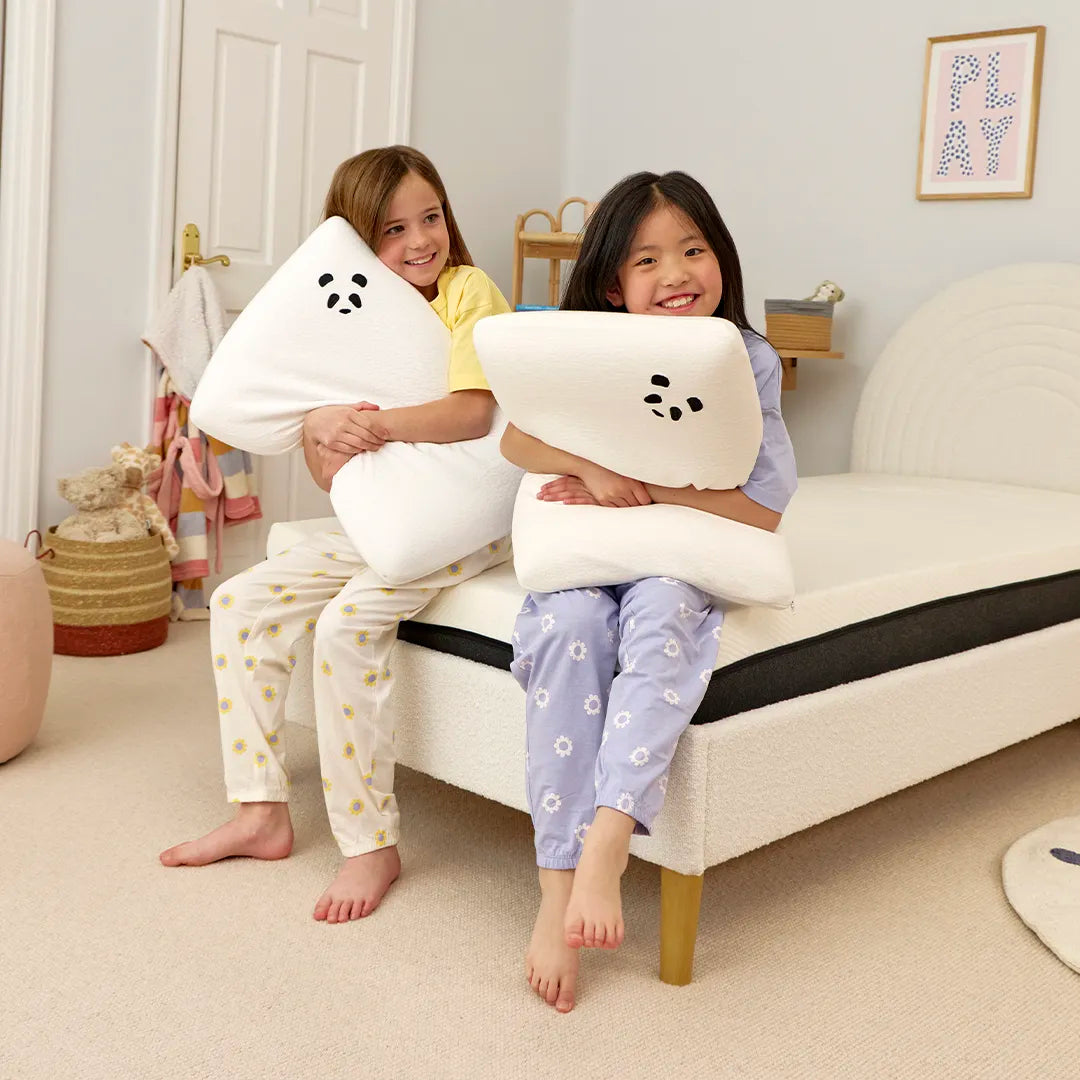
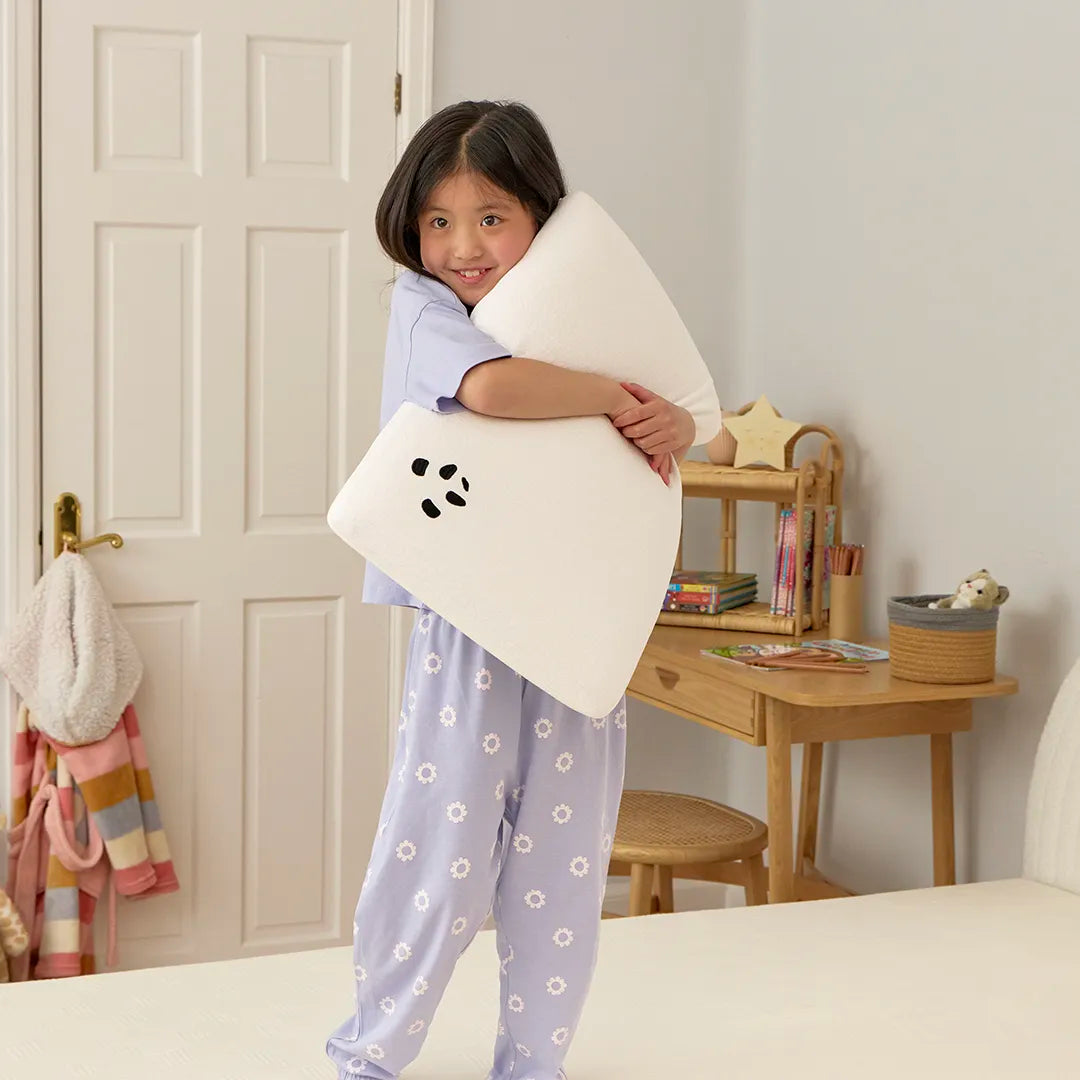
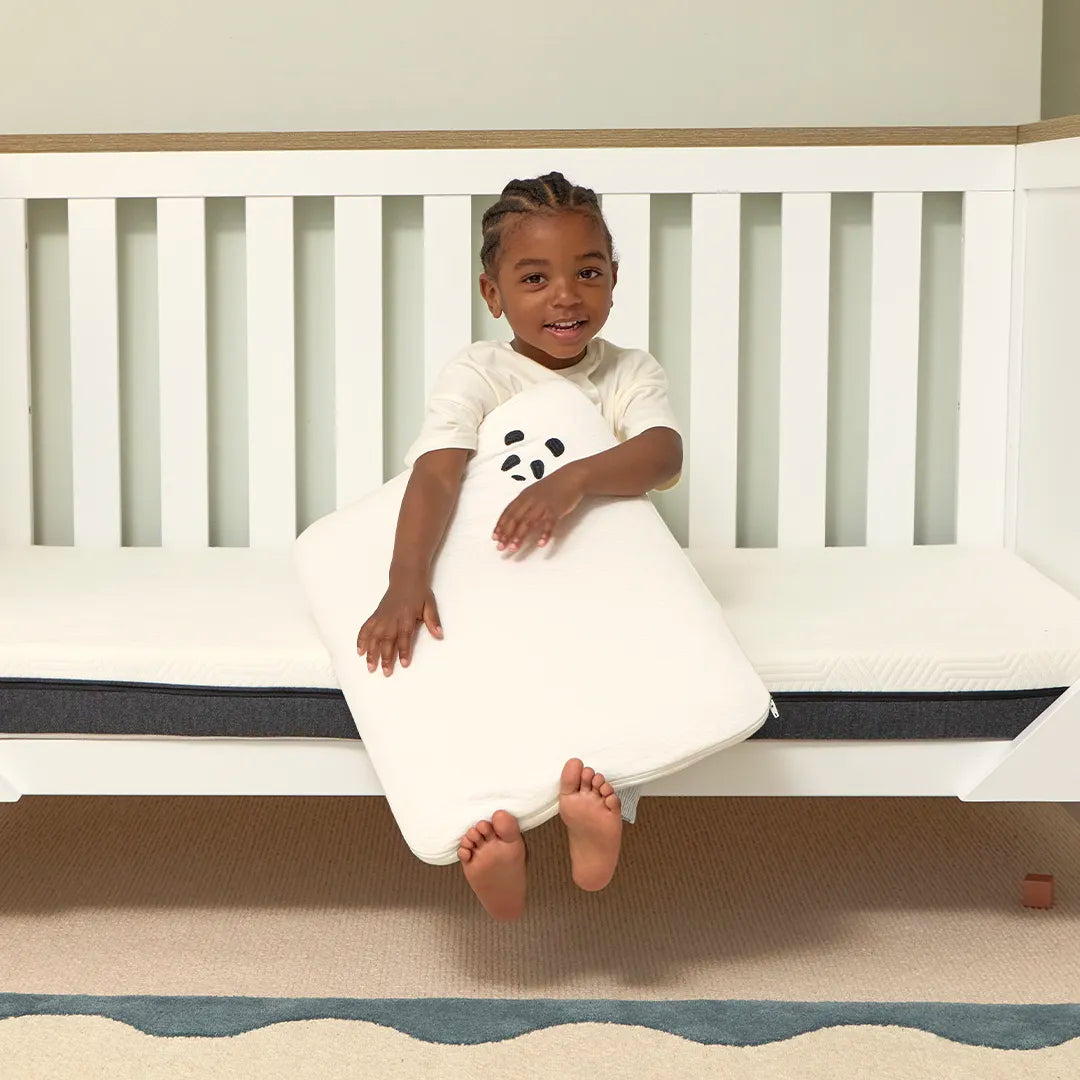
To help them get the best rest this year, our Panda Kids™ collection includes breathable bamboo duvets, pillows, and bedding sets, so they feel cocooned in softness at bedtime.
FAQ
1. Why is a bedtime routine important for school children?
A consistent bedtime helps children feel secure, reduces anxiety, and improves focus and mood during school hours.
2. How soon should I start preparing my child’s sleep schedule before school?
Ideally, start one to two weeks before term. Gradually move bedtime earlier so the transition feels natural.
3. What are the best tips for a smooth school morning?
Set out clothes and bags the night before, wake children at the same time daily, and allow enough time for breakfast and a gentle wake-up.
4. How much sleep do school-aged children need?
Most children aged 6–12 need 9–12 hours of sleep per night. Teens may need slightly less, but consistency is crucial.
5. Can bedding affect children’s sleep quality?
Yes. Breathable, hypoallergenic bedding like Panda’s bamboo duvets and pillows helps regulate temperature and provides comfort for better rest.
About the Author:
Caroline Barnes is the Content Writer at Panda, creating content on sleep, well-being, sustainability, and home decoration. Her articles span everything from breathable bedding and sleep advice to circular initiatives that help reduce waste and support more mindful choices at home. Born and raised in West London, she studied English Literature at university before spending several years in the high-paced fashion industry, where she learned to appreciate the value of quality sleep. Outside of writing, she enjoys going to gigs and practising yoga.
![[DCWhiteKids] Girls Playing on a Kids Bamboo Duvet Cover White](http://pandalondon.com/cdn/shop/files/Kids_Bamboo_Duvet_Cover_White_2.webp?v=1779884071&width=1080)
![[DCWhiteKids] Analyzing image Kids-Bedding-Duvet-Sheet-Listing-White](http://pandalondon.com/cdn/shop/files/Kids-Bedding-Duvet-Sheet-Listing-White-768x768.jpg?v=1745329360&width=768)
![[DCWhiteKids] Texture Kids Duvet Cover Bedding Bamboo](http://pandalondon.com/cdn/shop/files/Duvet_Cover_Kids_Bamboo_Bedding_Texture_White.webp?v=1745329360&width=1000)
![[DCWhiteKids] Girls Smiling on a Kids_Bamboo_Duvet_Cover_White](http://pandalondon.com/cdn/shop/files/Kids_Bamboo_Duvet_Cover_White_1.webp?v=1779884070&width=1080)
![[DCWhiteKids] Girl Sleeping on a Kids_Bamboo_Duvet_Cover_White](http://pandalondon.com/cdn/shop/files/Kids_Bamboo_Duvet_Cover_White_3.webp?v=1779884069&width=1080)
![[NavyDC] Girls playing and laughing on a Kids Bamboo Duvet Bedding with Navy Blue Duvet Cover](http://pandalondon.com/cdn/shop/files/Kids_Bamboo_Duvet_Cover_Blue_1.webp?v=1779882523&width=1080)
![[NavyDC] Deep Sea Navy Duvet Cover Kids_Bamboo_Duvet_Cover_Navy_Blue](http://pandalondon.com/cdn/shop/files/Kids_Bamboo_Duvet_Cover_Navy_Blue.webp?v=1779883902&width=1200)
![[NavyDC] Deep Sea Navy Duvet Cover 100% Bamboo Bedding Texture](http://pandalondon.com/cdn/shop/files/Deep_Sea_Navy_Texture_Duvet_Cover_Bamboo_Bedding.webp?v=1744115105&width=1000)
![[NavyDC] Girl sleeping on a Kids Bamboo Duvet Bedding with Navy Duvet Cover](http://pandalondon.com/cdn/shop/files/Kids_Bamboo_Duvet_Cover_Blue_3.webp?v=1779882523&width=1080)
![[NavyDC] Girl sleeping on a Kids Bamboo Duvet Bedding with Navy Duvet Cover](http://pandalondon.com/cdn/shop/files/Kids_Bamboo_Duvet_Cover_Blue_2.webp?v=1779882523&width=1080)
![[DCPinkKids] Girls sleeping on a Kids-Bedding-Duvet-Cover Pink](http://pandalondon.com/cdn/shop/files/Kids_Bamboo_Duvet_Cover_Pink_2.webp?v=1779884275&width=1080)
![[DCPinkKids] Kids-Bedding-Duvet-Sheet-Listing-Pink](http://pandalondon.com/cdn/shop/files/Kids-Bedding-Duvet-Sheet-Listing-Pink-768x768.jpg?v=1745329360&width=768)
![[DCPinkKids] Texture of kids bamboo duvet cover](http://pandalondon.com/cdn/shop/files/Duvet_Cover_Kids_Bamboo_Bedding_Texture_Vintage_Pink.webp?v=1745329360&width=1000)
![[DCPinkKids] Girl drawing on a Kids-Bedding-Duvet-Cover Pink](http://pandalondon.com/cdn/shop/files/Kids_Bamboo_Duvet_Cover_Pink_1.webp?v=1779884276&width=1080)
![[DCPinkKids] Girls playing on a Kids-Bedding-Duvet-Cover Pink](http://pandalondon.com/cdn/shop/files/Kids_Bamboo_Duvet_Cover_Pink_3.webp?v=1779884275&width=1080)
![[DCQuietKids] Girls smiling cover with Kids Bamboo Duvet Cover Grey](http://pandalondon.com/cdn/shop/files/Kids_100_Bamboo_Duvet_Cover_Grey.webp?v=1779884860&width=1080)
![[DCQuietKids] Kids_Bamboo_Bedding_Duvet_Cover_package_Shot](http://pandalondon.com/cdn/shop/files/Kids_Bamboo_Bedding_Duvet_Cover_package_Shot.jpg?v=1779887692&width=1200)
![[DCQuietKids] Texture od duvet cover bamboo kids bedding 100%](http://pandalondon.com/cdn/shop/files/Duvet_Cover_Kids_Bamboo_Bedding_Texture_Quiet_Grey.webp?v=1745329360&width=1000)
![[DCQuietKids] Girls smiling on a Kids Bamboo Duvet Cover Grey](http://pandalondon.com/cdn/shop/files/Girls_smiling_on_a_Kids_Bamboo_Duvet_Cover_Grey.webp?v=1779884895&width=1080)
![[DCQuietKids] Kids 100% Bamboo Duvet Cover Grey](http://pandalondon.com/cdn/shop/files/Kids_100_Bamboo_Duvet_Cover_Grey_Corner.webp?v=1779884925&width=1080)
![[UrbanGrey] Girl reading a book on a Kids Bamboo Bedding Duvet Cover Dark Grey](http://pandalondon.com/cdn/shop/files/Kids_Bamboo_Duvet_Cover_Dark_Grey_2.webp?v=1779882774&width=1080)
![[UrbanGrey] Kids_Bamboo_Duvet_Cover_Grey Urban Grey Duvet Cover 100% Bamboo Bedding Package](http://pandalondon.com/cdn/shop/files/Kids_Bamboo_Duvet_Cover_Grey.webp?v=1779883974&width=1200)
![[UrbanGrey] Kids-_Urban_Grey_Duvet_Grey_Bamboo_Bedding_Texture](http://pandalondon.com/cdn/shop/files/Kids-_Urban_Grey_Duvet_Grey_Bamboo_Bedding_Texture.webp?v=1745323844&width=1000)
![[UrbanGrey] Girls smiling covered with a Kids Bamboo Bedding Duvet Cover Dark Grey](http://pandalondon.com/cdn/shop/files/Kids_Bamboo_Duvet_Cover_Dark_Grey_1.webp?v=1779882774&width=1080)
![[UrbanGrey] Girls drawing and playing on a Kids Bamboo Bedding Duvet Cover Dark Grey](http://pandalondon.com/cdn/shop/files/Kids_Bamboo_Duvet_Cover_Dark_Grey_3.webp?v=1779882775&width=1080)
![[Pillowcovers] Pillowcase-Kids-Pillow-White-Background-](http://pandalondon.com/cdn/shop/files/Kids-Pillow-White-Background-Square_jpg.webp?v=1771199206&width=745)

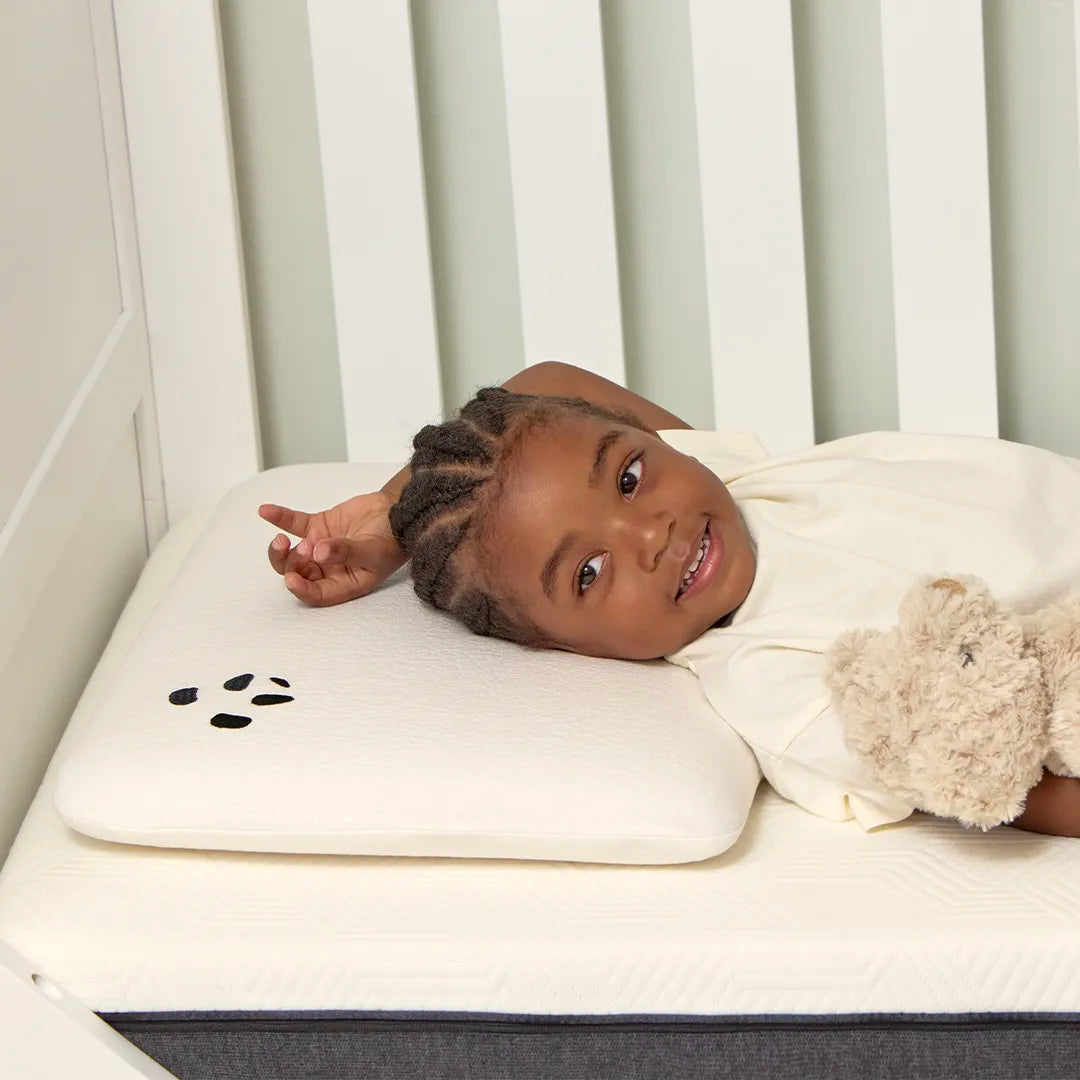
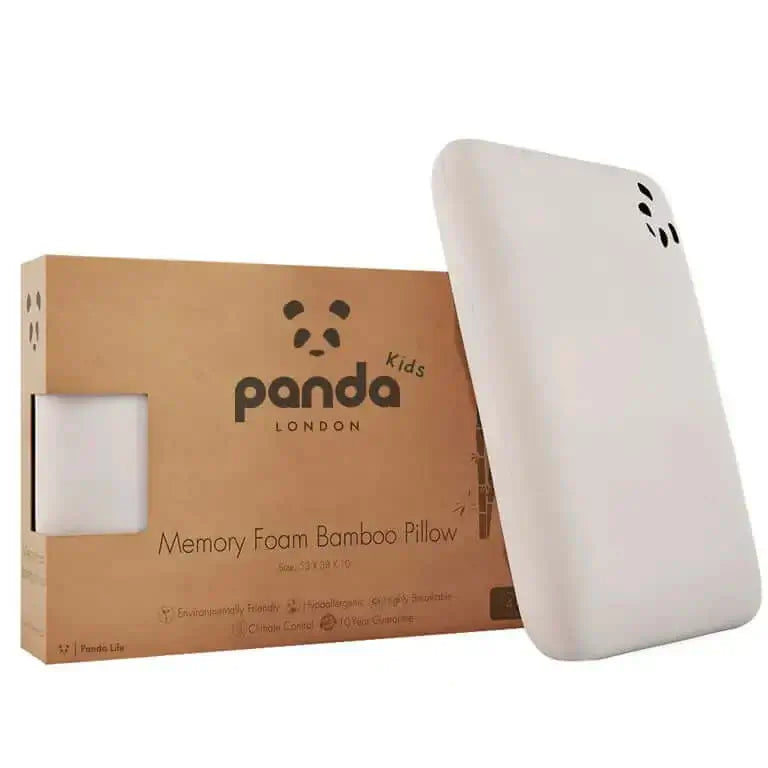
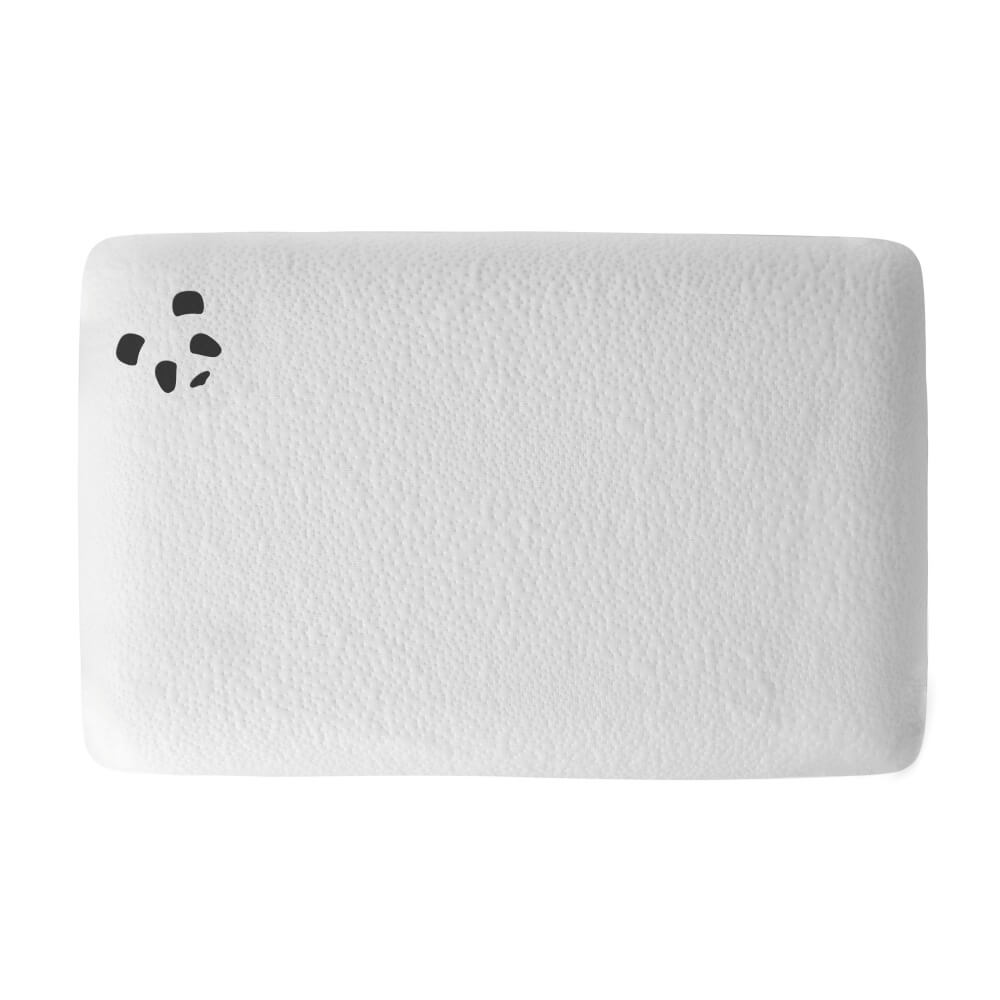
![[all] Girls laughing and covered with a Kids Cloud Bamboo Duvet](http://pandalondon.com/cdn/shop/files/Kids_Cloud_Bamboo_Duvet.webp?v=1779877636&width=1080)
![[all] Girls talking on a bed with Kids Cloud Bamboo Duvet](http://pandalondon.com/cdn/shop/files/Kids_Cloud_Bamboo_Duvet_2.webp?v=1779877637&width=1080)
![[all] Kids Cloud Bamboo Duvet Folded](http://pandalondon.com/cdn/shop/files/Kids_Cloud_Bamboo_Duvet_-_Folded_-_Logo_Shown_-_White_Background_Kids_Duvet.jpg?v=1750342405&width=1000)
![[all] Kids_CloudBambooDuvetRolled-WhiteBackground_1](http://pandalondon.com/cdn/shop/files/Kids_CloudBambooDuvetRolled-WhiteBackground_1.jpg?crop=region&crop_height=1697&crop_left=151&crop_top=0&crop_width=1697&v=1772550393&width=2000)
![[all] Panda Cloud Duvet Corner](http://pandalondon.com/cdn/shop/files/Kids_All_Season_Panda_Cloud_Cloud_Bamboo_Duvet_-_Corner_Lip_-_White_Background.jpg?v=1750686755&width=4848)
![[all] Boy wrapped with Kids Cloud Bamboo Duvet](http://pandalondon.com/cdn/shop/files/Kids_Cloud_Bamboo_Duvet_4.webp?v=1779877636&width=1080)

