
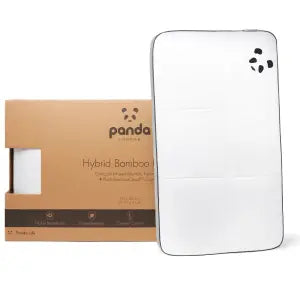
 Hybrid Bamboo Pillow
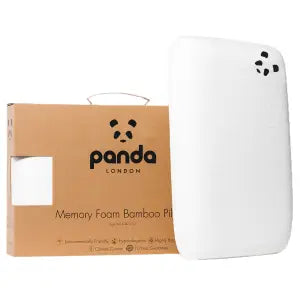 Memory Foam Bamboo Pillow
 Kids Memory Foam Bamboo Pillow
 Baby Memory Foam Bamboo Pillow
 Panda Cloud Duvet
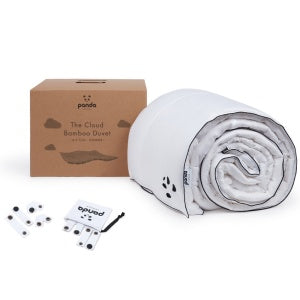 Bamboo Summer Duvet
 Kids Cloud Duvet
![[MattressTopper] Bamboo_Mattress_Topper_Package_Box-updated](http://pandalondon.com/cdn/shop/files/Bamboo_Mattress_Topper_Package_Box-updated.webp?crop=region&crop_height=1315&crop_left=92&crop_top=0&crop_width=1315&v=1782726992&width=1500)
![[MattressTopper] Woman laying on a Panda Bamboo Mattress Topper](http://pandalondon.com/cdn/shop/files/Bamboo_Mattress_Topper_Product_Image_01.webp?v=1782726484&width=1080)
![[MattressTopper] Guy laying on a Panda Bamboo Mattress Topper](http://pandalondon.com/cdn/shop/files/Bamboo_Mattress_Topper_Product_Image_02.webp?v=1782726484&width=1080)
![[MattressTopper] Woman setting up a Panda Bamboo Mattress Topper](http://pandalondon.com/cdn/shop/files/Bamboo_Mattress_Topper_Product_Image_03.webp?v=1782726484&width=1080)
![[MattressTopper] Panda London Memory Foam Bamboo Mattress Topper side](http://pandalondon.com/cdn/shop/files/Mattress_Topper_Isolated_-_resized.jpg?v=1773853354&width=800)
![[HybridMattressPro] Hybrid_Bamboo_Mattress_Pro_Product_Image_2026](http://pandalondon.com/cdn/shop/files/Hybrid_Bamboo_Mattress_Pro_Product_Image_2026.webp?v=1764944771&width=1000)
![[HybridMattressPro] A woman in white pajamas lies on her side on a mattress atop a gray upholstered bed frame in a softly lit bedroom. The mattress has a white top layer with a subtle geometric pattern and a black center band, with a small Panda Mattress logo patch visible on the side.](http://pandalondon.com/cdn/shop/files/Mattress_PRO-01.webp?v=1790672728&width=2049)
![[HybridMattressPro] Hybrid Bamboo Mattress Pro Cover Zip](http://pandalondon.com/cdn/shop/files/Hybrid_Bamboo_Mattress_Cover.jpg?v=1764944771&width=800)
![[HybridMattressPro] A woman in a cream-colored pajama set kneels beside a bed, holding down a mattress protector on a Panda Mattress to show its support and comfort.](http://pandalondon.com/cdn/shop/files/Mattress_PRO-03.webp?v=1790672728&width=2049)
![[HybridMattressPro] A woman in light pink pajamas sits on a Panda Bamboo mattress](http://pandalondon.com/cdn/shop/files/Mattress_PRO-04.webp?v=1790672728&width=2049)
![[CloudDuvet] Panda London The Cloud Bamboo Duvet Packaging](http://pandalondon.com/cdn/shop/products/Panda-London-The-Cloud-Bamboo-Duvet-Panda-Life-scaled_00a651ad-4ca3-4105-b520-12a94c1a4f71.jpg?v=1713363286&width=1920)
![[CloudDuvet] Panda London The Cloud Bamboo Duvet Rolled](http://pandalondon.com/cdn/shop/products/Duvet-Listing-Images03.jpg?v=1764079307&width=1000)
![[CloudDuvet] Guy making the bed with Panda Cloud Duvet 10.5 TOG](http://pandalondon.com/cdn/shop/files/Duvet_10.5_Tog-02.webp?v=1790607319&width=2049)
![[CloudDuvet] Guy reading a book on the bed covered with Panda Cloud Duvet 10.5 TOG](http://pandalondon.com/cdn/shop/files/Duvet_10.5_Tog-03.webp?v=1790607319&width=2049)
![[CloudDuvet] Guy making his bed with Panda Cloud Duvet 10.5 TOG](http://pandalondon.com/cdn/shop/files/Duvet_10.5_Tog-04.webp?v=1790607319&width=2049)
![[BBWhite] 100_Bamboo_Bedding_Set_Pure_White](http://pandalondon.com/cdn/shop/files/100_Bamboo_Bedding_Set_Pure_White_01.webp?v=1781082973&width=1080)
![[BBWhite] White 100% Bamboo Bedding Texture](http://pandalondon.com/cdn/shop/files/100_Bamboo_Bedding_-_Pure_White_-_Close_Up_02.webp?v=1773611287&width=1000)
![[BBWhite] 100_Bamboo_Bedding_Set_Pure_White couple laughing](http://pandalondon.com/cdn/shop/files/100_Bamboo_Bedding_Set_Pure_White_02.webp?v=1781082974&width=1080)
![[BBWhite] White 100% Bamboo Bedding Woman Duvet cover buttons](http://pandalondon.com/cdn/shop/files/hand_and_buttons_1.webp?v=1773611287&width=1000)
![[BBWhite] 100_Bamboo_Bedding_Set_Pure_White woman sleeping](http://pandalondon.com/cdn/shop/files/100_Bamboo_Bedding_Set_Pure_White_03.webp?v=1781082973&width=1080)
![[BBUrbanGrey] 100_Bamboo_Bedding_Set_Urban_Grey_guy laying on the bedding](http://pandalondon.com/cdn/shop/files/100_Bamboo_Bedding_Set_Urban_Grey_01.webp?v=1781083567&width=1080)
![[BBUrbanGrey] Cloud Duvet Urban Grey 100% Bamboo Bedding Set](http://pandalondon.com/cdn/shop/files/Cloud_Duvet_-_Grey_-_Close_up_2.webp?v=1773611287&width=1000)
![[BBUrbanGrey] 100_Bamboo_Bedding_Set_Urban_Grey_woman opening the bedding bag](http://pandalondon.com/cdn/shop/files/100_Bamboo_Bedding_Set_Urban_Grey_02.webp?v=1781083568&width=1080)
![[BBUrbanGrey] 100_Bamboo_Bedding_Set_Urban_Grey_woman making the bed](http://pandalondon.com/cdn/shop/files/100_Bamboo_Bedding_Set_Urban_Grey_04.webp?v=1781083567&width=1080)
![[BBUrbanGrey] 100_Bamboo_Bedding_Set_Urban_Grey_couple reading magazines](http://pandalondon.com/cdn/shop/files/100_Bamboo_Bedding_Set_Urban_Grey_03.webp?v=1781083567&width=1080)
![[BBNavyBlue] Deep Sea Navy Blue 100% Bamboo Bedding Set couple reading a magazine](http://pandalondon.com/cdn/shop/files/100_Bamboo_Bedding_Set_Deep_Sea_Navy_01.webp?v=1781083134&width=1080)
![[BBNavyBlue] Deep Sea Navy Blue 100% Bamboo Bedding Texture](http://pandalondon.com/cdn/shop/files/Cloud_Duvet_-_Navy_-_Close_up_2.webp?v=1773611287&width=1000)
![[BBNavyBlue] Deep Sea Navy Blue 100% Bamboo Bedding Set couple reading a magazine and smiling](http://pandalondon.com/cdn/shop/files/100_Bamboo_Bedding_Set_Deep_Sea_Navy_02.webp?v=1781083135&width=1080)
![[BBNavyBlue] Deep Sea Navy Blue 100% Bamboo Bedding Set woman resting](http://pandalondon.com/cdn/shop/files/100_Bamboo_Bedding_Set_Deep_Sea_Navy_04.png?v=1781083138&width=1080)
![[BBNavyBlue] Deep Sea Navy Blue 100% Bamboo Bedding Set guy laying and smiling](http://pandalondon.com/cdn/shop/files/100_Bamboo_Bedding_Set_Deep_Sea_Navy_03.webp?v=1781083134&width=1080)
![[BBPink] Vintage Pink Blue 100% Bamboo Bedding woman making the bed](http://pandalondon.com/cdn/shop/files/100_Bamboo_Bedding_Set_Pink_01.webp?v=1781083678&width=1080)
![[BBPink] Vintage Pink Texture 100% Bamboo Bedding](http://pandalondon.com/cdn/shop/files/Cloud_Duvet_-_Pink_-_Close_up_2.webp?v=1773611287&width=1000)
![[BBPink] Vintage Pink Blue 100% Bamboo Bedding woman hugging the pillow with vintage pink pillow case](http://pandalondon.com/cdn/shop/files/100_Bamboo_Bedding_Set_Pink_02.webp?v=1781083678&width=1080)
![[BBPink] Vintage Pink Blue 100% Bamboo Bedding woman hiding under duvet with pink duvet cover](http://pandalondon.com/cdn/shop/files/100_Bamboo_Bedding_Set_Pink_03.webp?v=1781083679&width=1080)
![[BBPink] Vintage Pink Blue 100% Bamboo Bedding woman laying and smiling on the panda bedding set](http://pandalondon.com/cdn/shop/files/100_Bamboo_Bedding_Set_Pink_04.webp?v=1781083679&width=1080)
![[BBGrey] 100_Bamboo_Bedding_Set_Quiet_Grey_ woman holding the bedding](http://pandalondon.com/cdn/shop/files/100_Bamboo_Bedding_Set_Quiet_Grey_01.webp?v=1781083287&width=1080)
![[BBGrey] Light Grey 100% Bamboo Bedding texture](http://pandalondon.com/cdn/shop/files/Texture17.webp?v=1773611287&width=1000)
![[BBGrey] 100_Bamboo_Bedding_Set_Quiet_Grey_0guy laying and smiling](http://pandalondon.com/cdn/shop/files/100_Bamboo_Bedding_Set_Quiet_Grey_02.webp?v=1781083287&width=1080)
![[BBGrey] 100_Bamboo_Bedding_Set_Quiet_Grey_0guy reading a magazine on the bed](http://pandalondon.com/cdn/shop/files/100_Bamboo_Bedding_Set_Quiet_Grey_03.webp?v=1781083287&width=1080)
![[BBGrey] 100_Bamboo_Bedding_Set_Quiet_Grey_0woman making the bed](http://pandalondon.com/cdn/shop/files/100_Bamboo_Bedding_Set_Quiet_Grey_04.webp?v=1781083287&width=1080)

The biggest sleep trends expected in 2026 focus on optimising the bedroom environment, using temperature-regulating bedding, building personalised routines, respecting circadian rhythms and treating sleep as a long-term health habit. The shift is toward calmer, sustainable sleep practices rather than rigid rules.
We all know the importance of good sleep and how vital it is to our well-being. Sleep is, of course, something that’s monitored closely, but trends differ from year to year. In this article, I’m looking at the sleep trends I expect to see in 2026, and one thing is already clear– we’re seeing a move towards optimising sleep environments and looking to our long-termhealth. Let’s look into all this in more detail.
Optimise your sleep environment
The basis of a good night’s sleep, creating a positive sleep environment, will continue to be a trend into 2026. In the past, there’s been a tendency for a bedroom to be more of a stylised room, rather than somewhere that’s focused on providing what’s needed for good sleep.
This year, we’ll see greater emphasis on creating a bedroom that’s dark and cool enough to sleep in, with the priority on a mattress and bedding that support your sleep. Panda uses natural bamboo to keep sleepers cool and refreshed overnight, which goes a long way to creating the right environment. From Hybrid Mattresses through to Bamboo Linens and Bedding, you’ll make the best start to the year by investing in Panda’s premium products.

Develop better sleep routines
Wearable sleep tech and data analysis are changing. This year, it will be less about improving metrics and more about applying the data to your sleep patterns. By seeing what patterns you’ve formed, it’s easier to adjust your sleep routine and, as we all know, stable routines lead to better sleep.
By improving your sleep environment and then adding in other factors such as winding down in the evening, avoiding blue screens and caffeine late at night and getting a consistent bedtime, you’ll make the most changes that will lead to you being able to see improvements in your sleep tracking.
Lean into temperature technology
Show me a couple that don’t have differing temperature requirements in the bedroom overnight, and I might just eat my hat. At home, my husband is consistently warm, and I am somewhat more reserved. Finding the right temperature tech to keep us both comfortable is vital.
Breathable bedding is key here, and Panda’s bamboo range is ideal. Not only does it keep my husband cool and comfortable, but its temperature-regulating abilities mean that I’m never too cold either.
The benefits of bamboo bedding
- Highly breathable
- Super soft, gliding across the skin
- Gentle and hypoallergenic
- Moisture-wicking
- Thermoregulating to keep you cool in summer and warm in winter
Alongside your bedding, electric blankets with dual controls can also be a godsend for colder nights, allowing reptiles like me to stay warm while the other side of the bed remains icy cold. You’ll also find more advanced sleep tech in this department, including mattress toppers that let sleepers set the temperature on their side of the bed.

How sound can help you sleep
People have used white noise machines and fans to help them sleep for many years, but 2026 marks a shift toward a more sophisticated approach. Thanks to the plethora of smart home devices available, or even just utilising your mobile phone, it’s easy to put together a customised sound playlist that suits your sleeping style. Ideas include:
- White noise
- Whale sounds
- Brown noise
- Rainforest sounds
- Ocean waves
The idea is to build a playlist tailored to your preferences and listening tastes.
Relax bedtime – and the rules
In the last few years, I’ve seen the rise of ‘sleepmaxxing’, which is the idea that you should optimise every single detail of sleep. This has, of course, led to people following very rigid rules that can, in the long run, become unsustainable.
Instead, this year will see the relaxation of these sleepmaxxing rules. It’s far easier to get a good night’s sleep if we’re not spending the build-up to bedtime feeling stressed about fitting in a certain number of sleep ‘chores’. Instead, people are adopting a calmer routine, which reduces evening stimulation. This, in turn, will lead to better sleep.
Get to know your circadian rhythm
Understanding circadian rhythms will be a major trend in 2026, with sleepers seeking to align with their own rhythms to improve their sleep. I think people are starting to adjust their schedules with sleep as a priority rather than an afterthought, and as part of this, they’re paying attention to when they wake up, when they like to eat, and how they relax before bedtime. In addition, there’s a growing realisation of the importance of getting sufficient daylight exposure during the day, whilst keeping evening light levels low.
Assist. Prof. Dr Jirayos Chintanadilok says,
“The circadian rhythm works with the homeostatic system, which maintains bodily equilibrium, including temperature regulation, blood pressure, electrolyte, and neurotransmitter balances. Together, these systems ensure that humans remain alert during the day and naturally feel sleepy at night, responding to sunlight or ambient light.”
The relationship between sleep and your health
There’s also a growing realisation of the impact sleep can have on your health, but I think 2026 will be the year when tiredness starts to be taken more seriously. In a culture where being tired has almost been normalised, people are starting to push back as they look further into what’s causing these issues.
Insomnia and disrupted sleep are two of the biggest and most common sleep issues, and there’s now an acknowledgement of how much they, and other sleep conditions, can impact our wellbeing and mental health.
Thankfully, I think the overwhelming trend for 2026 will be for people to be even more open in discussing these issues, making it far easier for sufferers to seek help that will lead to improved sleep patterns.
FAQ
1. What will change about sleep in 2026?
Sleep habits are becoming more personalised. People are focusing less on strict schedules and more on improving their bedroom environment, temperature control and long-term sleep health.
2. Why is temperature regulation important for sleep?
Body temperature naturally drops at night. Breathable bedding and a cool bedroom help the body follow its natural rhythm, improving sleep depth and comfort.
3. Are sleep trends moving toward technology or simplicity?
Both. Smart tools are helping people understand their sleep, but the overall trend is toward simpler, calmer routines and better sleep environments.
4. Is circadian rhythm awareness becoming more important?
Yes. More people are learning how light, routine, and environment affect their natural sleep clock, leading to healthier, more consistent rest.
About the Author:
Jo has been a freelance writer (and photographer) for almost 25 years, covering a wide range of topics. These days, she specialises in writing about interior design, sleep and photography, as well as reviewing a huge range of home products. Jo lives in South Bucks but has also lived in New Zealand and Botswana, where she worked as a photographer on a nature reserve. Having travelled extensively around the world and slept on some rickety old beds, Jo is passionate about the importance of a good mattress and decent bedroom setup, contributing to some of the UK's major publications such as Tech Radar and Homes and Gardens. When she’s not working, Jo spends her time looking after a variety of foster cats with her husband, catching up with friends, travelling or simply reading a good book.
![[CoconutWhite] Couples are making the bed with Bamboo and French linen bedding set](http://pandalondon.com/cdn/shop/files/Coconut_White_Bamboo_French_Linen_Bedding_Set.webp?v=1783068276&width=1080)
![[CoconutWhite] Bamboo and French linen Bedding Full Set Package](http://pandalondon.com/cdn/shop/files/Bamboo_and_French_Linen_Coconut_White_Bedding_set_-_webp.webp?v=1773611226&width=800)
![[CoconutWhite] Bamboo and French linen Bedding Set Pillows](http://pandalondon.com/cdn/shop/files/CoconutWhite_-_BambooFrenchLinen-_Bedding_Set_01.webp?v=1773611226&width=1000)
![[CoconutWhite] Bamboo and French linen Bedding Texture](http://pandalondon.com/cdn/shop/files/CoconutWhite_-_BambooFrenchLinen-_Bedding_Set_Texture.webp?v=1773611226&width=1000)
![[CoconutWhite] Bamboo and French linen Bedding Set Two Pillows](http://pandalondon.com/cdn/shop/files/CoconutWhite_-_BambooFrenchLinen-_Pillows.webp?v=1773611226&width=1000)
![[HimalayanPink] Woman smiling under bamboo and french linen duvet cover and looking](http://pandalondon.com/cdn/shop/files/Himalayan_ink_Bedding_Set_Bamboo_and_French_Linen.webp?v=1783068470&width=1080)
![[HimalayanPink] HimalayanPink Bamboo and French linen Bedding Set Package](http://pandalondon.com/cdn/shop/files/HimalayanPink_-_BambooFrenchLinen-_Bedding_Set_Package_03.webp?crop=region&crop_height=1090&crop_left=205&crop_top=0&crop_width=1090&v=1773611226&width=1500)
![[HimalayanPink] HimalayanPink Bamboo and French linen Bedding Set Pillows with flowers](http://pandalondon.com/cdn/shop/files/HimalayanPink_-_BambooFrenchLinen-_Bedding_Set_01.webp?v=1773611226&width=1000)
![[HimalayanPink] HimalayanPink Bamboo and French linen Bedding Set Package Texture](http://pandalondon.com/cdn/shop/files/HimalayanPink_-_BambooFrenchLinen-_Bedding_Set_Texture.webp?v=1773611226&width=1000)
![[HimalayanPink] HimalayanPink Bamboo and French linen Bedding Set Package Two Pillowscases](http://pandalondon.com/cdn/shop/files/HimalayanPink_-_BambooFrenchLinen-_Pillows.jpg?v=1773611226&width=1000)
![[MidnightNavy] Woman reading a book on a Bamboo and French linen bedding set](http://pandalondon.com/cdn/shop/files/Midnight_Navy_Main.webp?v=1783070500&width=1080)
![[MidnightNavy] MidnightNavy Bamboo and French linen Bedding Set Package](http://pandalondon.com/cdn/shop/files/MidnightNavy_-_BambooFrenchLinen-_Bedding_Set_03_Package.webp?crop=region&crop_height=1090&crop_left=205&crop_top=0&crop_width=1090&v=1773611226&width=1500)
![[MidnightNavy] MidnightNavy Bamboo and French linen Bedding Set Pillows with flowers](http://pandalondon.com/cdn/shop/files/MidnightNavy_-_BambooFrenchLinen-_Bedding_Set_01.webp?v=1773611226&width=1000)
![[MidnightNavy] MidnightNavy Bamboo and French linen Bedding Set Package Texture](http://pandalondon.com/cdn/shop/files/MidnightNavy_-_BambooFrenchLinen-_Bedding_Set_Texture.webp?v=1773611226&width=1000)
![[MidnightNavy] MidnightNavy Bamboo and French linen Bedding Set Package Two Pillows](http://pandalondon.com/cdn/shop/files/MidnightNavy_-_BambooFrenchLinen-_Bedding_Set_Pillows.jpg?v=1773611226&width=1000)
![[Natural] couple smiling and laying on a bamboo and french linen bedding set](http://pandalondon.com/cdn/shop/files/Natural_Bamboo_and_French_Linen_Bedding_Set.webp?v=1783068738&width=1080)
![[Natural] Natural Bamboo and French linen Bedding Set Package](http://pandalondon.com/cdn/shop/files/Natural_-_BambooFrenchLinen-_Bedding_Set_Package.webp?crop=region&crop_height=1090&crop_left=205&crop_top=0&crop_width=1090&v=1773611226&width=1500)
![[Natural] Natural Bamboo and French linen Bedding Set Full Panda London](http://pandalondon.com/cdn/shop/files/Natural_-_BambooFrenchLinen-_Bedding_Set_01.webp?v=1773611226&width=1000)
![[Natural] Natural Bamboo and French linen Bedding Set Texture](http://pandalondon.com/cdn/shop/files/Natural_-_BambooFrenchLinen-_Bedding_Set_Texture.webp?v=1773611226&width=1000)
![[Natural] Natural Bamboo and French linen Bedding Set Pillows and Pillowcases](http://pandalondon.com/cdn/shop/files/Natural_-_BambooFrenchLinen-_Bedding_Set_Pillows.jpg?v=1773611226&width=1000)
![[SlateGrey] Woman smiling while sitting on a Bamboo and French Linen Bedding Set](http://pandalondon.com/cdn/shop/files/Slate_Grey_Bamboo_and_French_Linen_Bedding_Set.webp?v=1783068772&width=1080)
![[SlateGrey] SlateGrey Bamboo and French linen Bedding Set Package](http://pandalondon.com/cdn/shop/files/SlateGrey_-_BambooFrenchLinen-_Bedding_Set_Package.webp?crop=region&crop_height=1090&crop_left=205&crop_top=0&crop_width=1090&v=1773611226&width=1500)
![[SlateGrey] SlateGrey Bamboo and French linen Bedding Set Full](http://pandalondon.com/cdn/shop/files/SlateGrey_-_BambooFrenchLinen-_Bedding_Set_01.webp?v=1773611226&width=1000)
![[SlateGrey] SlateGrey Bamboo and French linen Bedding Set Texture](http://pandalondon.com/cdn/shop/files/SlateGrey_-_BambooFrenchLinen-_Bedding_Set_Texture.webp?v=1773611226&width=1000)
![[SlateGrey] SlateGrey Bamboo and French linen Bedding Set Pillows Two](http://pandalondon.com/cdn/shop/files/SlateGrey_-_BambooFrenchLinen-_Bedding_Set_Pillows_and_pillowcases.jpg?v=1773611226&width=1000)
![[SilverLightGrey] Woman sleeping on a bamboo and french linen bedding set](http://pandalondon.com/cdn/shop/files/Silver_Lining_Grey_bamboo_and_french_linen_bedding_set.webp?v=1783068806&width=1080)
![[SilverLightGrey] SilverLightGrey Bamboo and French linen Bedding Set Package](http://pandalondon.com/cdn/shop/files/SlateGrey_-_BambooFrenchLinen-_Bedding_Set_Package_1abba039-dafb-440b-8faf-5690962c6922.webp?crop=region&crop_height=1090&crop_left=205&crop_top=0&crop_width=1090&v=1773611226&width=1500)
![[SilverLightGrey] SilverLightGrey Bamboo and French linen Bedding Set Pillow](http://pandalondon.com/cdn/shop/files/SlateGrey_-_BambooFrenchLinen-_Bedding_Set_01_b1f7b31a-7706-47e9-951a-9baeb34d589a.webp?v=1773611226&width=1000)
![[SilverLightGrey] SilverLightGrey Bamboo and French linen Bedding Set Texture](http://pandalondon.com/cdn/shop/files/SlateGrey_-_BambooFrenchLinen-_Bedding_Set_Texture_03.webp?v=1773611226&width=1000)
![[SilverLightGrey] SilverLightGrey Bamboo and French linen Bedding Set Two pillows](http://pandalondon.com/cdn/shop/files/SlateGrey_-_BambooFrenchLinen-_Bedding_Set_Pillows_both.jpg?v=1773611226&width=1000)
![[ForestGreen] Girl sleeping on a SIgnature_Bedding_Set_Forest_Green](http://pandalondon.com/cdn/shop/files/SIgnature_Bedding_Set_Forest_Green.webp?v=1783076962&width=1080)
![[ForestGreen] Panda London Bamboo Lyocell Bedding Set Package](http://pandalondon.com/cdn/shop/files/Bamboo_Lyocell_Bedding_Set_Package.jpg?v=1773611139&width=768)
![[ForestGreen] Bamboo Lyocell Green Corner Panda London](http://pandalondon.com/cdn/shop/files/GreenPCCorner.jpg?v=1773611139&width=768)
![[ForestGreen] SIgnature_Bedding_Set_Forest_Green_-_woman_making_the_bed](http://pandalondon.com/cdn/shop/files/SIgnature_Bedding_Set_Forest_Green_-_woman_making_the_bed.webp?v=1783512491&width=1080)
![[ForestGreen] Panda London Bamboo Lyocell Texture](http://pandalondon.com/cdn/shop/files/Green-Texture.jpg?v=1773611139&width=768)
![[ForestGreen] SIgnature_Bedding_Set_Forest_Green_woman_hugging_the_pillow](http://pandalondon.com/cdn/shop/files/SIgnature_Bedding_Set_Forest_Green_woman_hugging_the_pillow.webp?v=1783512490&width=1080)
![[Cream] Woman making a bed with signature plus bamboo lyocell bedding set](http://pandalondon.com/cdn/shop/files/Signature_Plus_Bedding_Set_Cream_color.webp?v=1783072086&width=1080)
![[Cream] Panda London Bamboo Lyocell Full Bedding Set](http://pandalondon.com/cdn/shop/files/Bamboo_Lyocell_Bedding_Set_Package_Cream.jpg?v=1773611139&width=768)
![[Cream] Panda London Bamboo Lyocell Full Bedding Set Cream Corner](http://pandalondon.com/cdn/shop/files/PebbleCreamPCCorner.jpg?v=1773611139&width=768)
![[Cream] Signature_Plus_Bedding_Set_Cream_color_Couple_Laying_down_laughing](http://pandalondon.com/cdn/shop/files/Signature_Plus_Bedding_Set_Cream_color_Couple_Laying_down_laughing.webp?v=1783513006&width=1080)
![[Cream] Panda London Bamboo Lyocell Cream Texture](http://pandalondon.com/cdn/shop/files/PebbleCream-Texture.jpg?v=1773611139&width=768)
![[Cream] Signature_Plus_Bedding_Set_Cream_colorWoman_making_the_bed](http://pandalondon.com/cdn/shop/files/Signature_Plus_Bedding_Set_Cream_colorWoman_making_the_bed.webp?v=1783513006&width=1080)

