
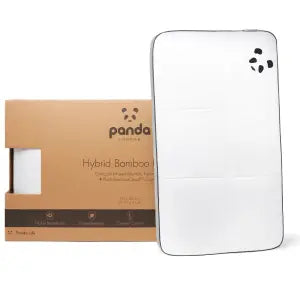
 Hybrid Bamboo Pillow
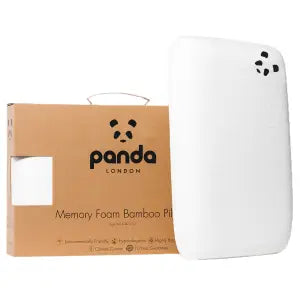 Memory Foam Bamboo Pillow
 Kids Memory Foam Bamboo Pillow
 Baby Memory Foam Bamboo Pillow
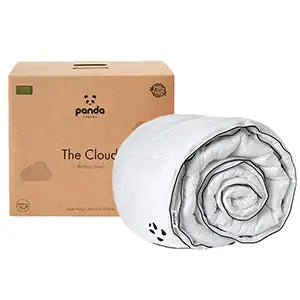 Panda Cloud Duvet
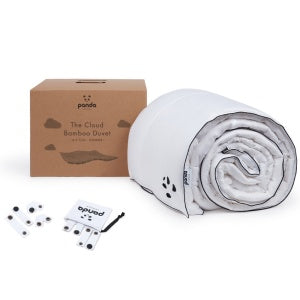 Bamboo Summer Duvet
 Kids Cloud Duvet
![[MattressTopper] Bamboo_Mattress_Topper_Package_Box-updated](http://pandalondon.com/cdn/shop/files/Bamboo_Mattress_Topper_Package_Box-updated.webp?crop=region&crop_height=1315&crop_left=92&crop_top=0&crop_width=1315&v=1782726992&width=1500)
![[MattressTopper] Woman laying on a Panda Bamboo Mattress Topper](http://pandalondon.com/cdn/shop/files/Bamboo_Mattress_Topper_Product_Image_01.webp?v=1782726484&width=1080)
![[MattressTopper] Guy laying on a Panda Bamboo Mattress Topper](http://pandalondon.com/cdn/shop/files/Bamboo_Mattress_Topper_Product_Image_02.webp?v=1782726484&width=1080)
![[MattressTopper] Woman setting up a Panda Bamboo Mattress Topper](http://pandalondon.com/cdn/shop/files/Bamboo_Mattress_Topper_Product_Image_03.webp?v=1782726484&width=1080)
![[MattressTopper] Panda London Memory Foam Bamboo Mattress Topper side](http://pandalondon.com/cdn/shop/files/Mattress_Topper_Isolated_-_resized.jpg?v=1773853354&width=800)
![[HybridMattressPro] Hybrid_Bamboo_Mattress_Pro_Product_Image_2026](http://pandalondon.com/cdn/shop/files/Hybrid_Bamboo_Mattress_Pro_Product_Image_2026.webp?v=1764944771&width=1000)
![[HybridMattressPro] A woman in white pajamas lies on her side on a mattress atop a gray upholstered bed frame in a softly lit bedroom. The mattress has a white top layer with a subtle geometric pattern and a black center band, with a small Panda Mattress logo patch visible on the side.](http://pandalondon.com/cdn/shop/files/Mattress_PRO-01.webp?v=1790672728&width=2049)
![[HybridMattressPro] Hybrid Bamboo Mattress Pro Cover Zip](http://pandalondon.com/cdn/shop/files/Hybrid_Bamboo_Mattress_Cover.jpg?v=1764944771&width=800)
![[HybridMattressPro] A woman in a cream-colored pajama set kneels beside a bed, holding down a mattress protector on a Panda Mattress to show its support and comfort.](http://pandalondon.com/cdn/shop/files/Mattress_PRO-03.webp?v=1790672728&width=2049)
![[HybridMattressPro] A woman in light pink pajamas sits on a Panda Bamboo mattress](http://pandalondon.com/cdn/shop/files/Mattress_PRO-04.webp?v=1790672728&width=2049)
![[CloudDuvet] Panda London The Cloud Bamboo Duvet Packaging](http://pandalondon.com/cdn/shop/products/Panda-London-The-Cloud-Bamboo-Duvet-Panda-Life-scaled_00a651ad-4ca3-4105-b520-12a94c1a4f71.jpg?v=1713363286&width=1920)
![[CloudDuvet] Panda London The Cloud Bamboo Duvet Rolled](http://pandalondon.com/cdn/shop/products/Duvet-Listing-Images03.jpg?v=1764079307&width=1000)
![[CloudDuvet] Guy making the bed with Panda Cloud Duvet 10.5 TOG](http://pandalondon.com/cdn/shop/files/Duvet_10.5_Tog-02.webp?v=1790607319&width=2049)
![[CloudDuvet] Guy reading a book on the bed covered with Panda Cloud Duvet 10.5 TOG](http://pandalondon.com/cdn/shop/files/Duvet_10.5_Tog-03.webp?v=1790607319&width=2049)
![[CloudDuvet] Guy making his bed with Panda Cloud Duvet 10.5 TOG](http://pandalondon.com/cdn/shop/files/Duvet_10.5_Tog-04.webp?v=1790607319&width=2049)
![[BBWhite] 100_Bamboo_Bedding_Set_Pure_White](http://pandalondon.com/cdn/shop/files/100_Bamboo_Bedding_Set_Pure_White_01.webp?v=1781082973&width=1080)
![[BBWhite] White 100% Bamboo Bedding Texture](http://pandalondon.com/cdn/shop/files/100_Bamboo_Bedding_-_Pure_White_-_Close_Up_02.webp?v=1773611287&width=1000)
![[BBWhite] 100_Bamboo_Bedding_Set_Pure_White couple laughing](http://pandalondon.com/cdn/shop/files/100_Bamboo_Bedding_Set_Pure_White_02.webp?v=1781082974&width=1080)
![[BBWhite] White 100% Bamboo Bedding Woman Duvet cover buttons](http://pandalondon.com/cdn/shop/files/hand_and_buttons_1.webp?v=1773611287&width=1000)
![[BBWhite] 100_Bamboo_Bedding_Set_Pure_White woman sleeping](http://pandalondon.com/cdn/shop/files/100_Bamboo_Bedding_Set_Pure_White_03.webp?v=1781082973&width=1080)
![[BBUrbanGrey] 100_Bamboo_Bedding_Set_Urban_Grey_guy laying on the bedding](http://pandalondon.com/cdn/shop/files/100_Bamboo_Bedding_Set_Urban_Grey_01.webp?v=1781083567&width=1080)
![[BBUrbanGrey] Cloud Duvet Urban Grey 100% Bamboo Bedding Set](http://pandalondon.com/cdn/shop/files/Cloud_Duvet_-_Grey_-_Close_up_2.webp?v=1773611287&width=1000)
![[BBUrbanGrey] 100_Bamboo_Bedding_Set_Urban_Grey_woman opening the bedding bag](http://pandalondon.com/cdn/shop/files/100_Bamboo_Bedding_Set_Urban_Grey_02.webp?v=1781083568&width=1080)
![[BBUrbanGrey] 100_Bamboo_Bedding_Set_Urban_Grey_woman making the bed](http://pandalondon.com/cdn/shop/files/100_Bamboo_Bedding_Set_Urban_Grey_04.webp?v=1781083567&width=1080)
![[BBUrbanGrey] 100_Bamboo_Bedding_Set_Urban_Grey_couple reading magazines](http://pandalondon.com/cdn/shop/files/100_Bamboo_Bedding_Set_Urban_Grey_03.webp?v=1781083567&width=1080)
![[BBNavyBlue] Deep Sea Navy Blue 100% Bamboo Bedding Set couple reading a magazine](http://pandalondon.com/cdn/shop/files/100_Bamboo_Bedding_Set_Deep_Sea_Navy_01.webp?v=1781083134&width=1080)
![[BBNavyBlue] Deep Sea Navy Blue 100% Bamboo Bedding Texture](http://pandalondon.com/cdn/shop/files/Cloud_Duvet_-_Navy_-_Close_up_2.webp?v=1773611287&width=1000)
![[BBNavyBlue] Deep Sea Navy Blue 100% Bamboo Bedding Set couple reading a magazine and smiling](http://pandalondon.com/cdn/shop/files/100_Bamboo_Bedding_Set_Deep_Sea_Navy_02.webp?v=1781083135&width=1080)
![[BBNavyBlue] Deep Sea Navy Blue 100% Bamboo Bedding Set woman resting](http://pandalondon.com/cdn/shop/files/100_Bamboo_Bedding_Set_Deep_Sea_Navy_04.png?v=1781083138&width=1080)
![[BBNavyBlue] Deep Sea Navy Blue 100% Bamboo Bedding Set guy laying and smiling](http://pandalondon.com/cdn/shop/files/100_Bamboo_Bedding_Set_Deep_Sea_Navy_03.webp?v=1781083134&width=1080)
![[BBPink] Vintage Pink Blue 100% Bamboo Bedding woman making the bed](http://pandalondon.com/cdn/shop/files/100_Bamboo_Bedding_Set_Pink_01.webp?v=1781083678&width=1080)
![[BBPink] Vintage Pink Texture 100% Bamboo Bedding](http://pandalondon.com/cdn/shop/files/Cloud_Duvet_-_Pink_-_Close_up_2.webp?v=1773611287&width=1000)
![[BBPink] Vintage Pink Blue 100% Bamboo Bedding woman hugging the pillow with vintage pink pillow case](http://pandalondon.com/cdn/shop/files/100_Bamboo_Bedding_Set_Pink_02.webp?v=1781083678&width=1080)
![[BBPink] Vintage Pink Blue 100% Bamboo Bedding woman hiding under duvet with pink duvet cover](http://pandalondon.com/cdn/shop/files/100_Bamboo_Bedding_Set_Pink_03.webp?v=1781083679&width=1080)
![[BBPink] Vintage Pink Blue 100% Bamboo Bedding woman laying and smiling on the panda bedding set](http://pandalondon.com/cdn/shop/files/100_Bamboo_Bedding_Set_Pink_04.webp?v=1781083679&width=1080)
![[BBGrey] 100_Bamboo_Bedding_Set_Quiet_Grey_ woman holding the bedding](http://pandalondon.com/cdn/shop/files/100_Bamboo_Bedding_Set_Quiet_Grey_01.webp?v=1781083287&width=1080)
![[BBGrey] Light Grey 100% Bamboo Bedding texture](http://pandalondon.com/cdn/shop/files/Texture17.webp?v=1773611287&width=1000)
![[BBGrey] 100_Bamboo_Bedding_Set_Quiet_Grey_0guy laying and smiling](http://pandalondon.com/cdn/shop/files/100_Bamboo_Bedding_Set_Quiet_Grey_02.webp?v=1781083287&width=1080)
![[BBGrey] 100_Bamboo_Bedding_Set_Quiet_Grey_0guy reading a magazine on the bed](http://pandalondon.com/cdn/shop/files/100_Bamboo_Bedding_Set_Quiet_Grey_03.webp?v=1781083287&width=1080)
![[BBGrey] 100_Bamboo_Bedding_Set_Quiet_Grey_0woman making the bed](http://pandalondon.com/cdn/shop/files/100_Bamboo_Bedding_Set_Quiet_Grey_04.webp?v=1781083287&width=1080)

Longer days? Lovely. Long, sticky nights? Not so much. The right summer bedding should feel comfortable first, then help you manage heat and moisture as temperatures rise. Lightweight, breathable fabrics let air circulate, moisture-wicking materials move sweat away from the skin, and thermoregulating bedding helps maintain a more balanced sleep environment throughout the night.
From cooling sheets to a lighter duvet, the best summer sleep set-up is the one that suits your body temperature, bedroom and personal comfort preferences.
How to Choose Cooling, Breathable Bedding for Summer
Before you dive into bed, let’s dive into the considerations you should make when browsing stylish summer bedding options…

Lightweight and breathable fabrics
Start with comfort. Lightweight summer bedding should feel soft against your skin and give you the coverage you prefer without leaving you weighed down.
Breathable materials allow air to move more freely through the fabric, helping to reduce heat build-up around your body. Bamboo, linen and lightweight cotton can all provide a fresher, less stuffy sleep surface, although their textures and feel will vary. The most breathable fabric isn't necessarily the best choice if you don't find it comfortable, so consider both performance and personal preference.
Moisture-wicking properties
Cooling, breathable, moisture-wicking and thermoregulating do not all mean exactly the same thing.
Breathable bedding helps air circulate. Moisture-wicking bedding draws moisture away from the skin so that it can evaporate more easily. Thermoregulating bedding is designed to help manage changes in heat and moisture, creating a more balanced sleep environment as your temperature changes through the night.
For warm summer nights, look for sheets, duvet covers and other layers that combine these qualities. They will not turn a hot bedroom into a cold one, but they can help your bed feel drier, fresher and more comfortable than materials that hold warmth and moisture close to your body.
Choose a fabric that feels comfortable to you
Natural materials such as bamboo, linen and lightweight cotton can all work well during summer, but they do not feel identical.
Bamboo has a smooth, soft finish, linen provides a more relaxed and textured feel, while cotton can feel familiar and crisp depending on its weave. Each can be breathable, but the right choice comes down to how you prefer your bedding to feel, how warm you naturally sleep and how much care the fabric requires.
Once comfort is assured, you can also compare durability, sourcing, certifications and environmental credentials.
Avoid heavy, heat-trapping layers
Some sleepers enjoy the reassuring weight of a duvet, even during summer. The important thing is choosing a level of insulation that suits your bedroom and body temperature.
Dense bedding or a high-tog duvet can allow more warmth to build up on hot nights. A lightweight summer 4.5 TOG duvet, breathable flat sheet, or duvet cover may feel more comfortable when temperatures rise. Keep the layers adjustable so you can pull them closer when the night cools down or move them aside when things become a little too toasty.
Look at the complete construction
A fabric label does not tell you everything about how a product will feel during summer. Weight, weave, filling, airflow and moisture management all affect whether bedding holds on to heat.
Dense or poorly ventilated materials may feel warm and stuffy, while lightweight or specially engineered fibres can be designed to support airflow and comfort. Rather than ruling out an entire material category, look at the full composition and choose bedding that is lightweight, breathable and suitable for how you sleep.
Allergy-friendly and hypoallergenic options
If you have allergies or sensitive skin, it is worth considering your summer bedding. Sleep is a great healer, so you don’t want to be itchy or uncomfortable at night – hypoallergenic bedding materials and covers are a great way to ensure you’re not scratching or sneezing all night long. Bamboo is hypoallergenic, as it is inhospitable to dust mites. These allergen-resistant properties, coupled with how soft and smooth it feels against the skin, make it the perfect choice for those with allergies and skin issues. UV protection bedding is also a great option in the summer, especially for those afternoon siestas…
Easy care and durability
The summer is all about having fun and enjoying yourself, so the last thing you want to be worrying about is getting your bedding clean. Look for naturally antibacterial options, which will stay cleaner for longer, and moisture-wicking bedding that doesn’t soak up summer sweats. Easy-care bedding means choosing low-maintenance fabrics, especially if they’re quick-drying. This means you can wash and dry them in time for bed! Durable materials are key, too, meaning you can enjoy your cool summer bedding for years to come. The ease of care and durability of summer bedding is important.
Pair Your Summer Bedding With Other Thermoregulating Bed Products
Your sheets are only one part of your summer sleep set-up. Comfort should always come first, and the combination that works best will depend on your bedroom temperature, sleeping position, personal preferences and how warm you naturally tend to sleep.
Start with soft, breathable summer bedding, then consider the layers above and below you. A lightweight, temperature-controlling duvet can give you the comforting feeling of a cover without excessive insulation. A cooling pillow can help limit heat build-up around your head and neck while providing the level of support you prefer. A breathable mattress topper can add cushioning and help create a fresher-feeling surface beneath you.

Pairing cooling sheets with a breathable duvet, pillow and mattress topper creates a more complete thermoregulating sleep environment, from the mattress beneath you to the covers on top. The aim isn't to make your bed feel cold, but to keep it comfortable, dry, and balanced as the temperature changes through the night.
Looking to cool down every layer? Explore our guide to the top cooling bamboo bed products for night sweats and hot sleepers.
What Are the Best Cooling Bedding Materials for Summer?
Linen Bedding
Linen can be a comfortable summer option thanks to its breathable construction and relaxed feel. Its weave allows air to circulate, while its moisture-management properties can help the fabric feel fresher on warm nights.
Linen has a more textured finish than bamboo or many cotton fabrics, so the choice ultimately comes down to personal preference. For sleepers who enjoy a casual, lived-in feel, breathable linen bedding can provide cool and comfortable coverage without feeling overly heavy.
Bamboo Bedding
Bamboo bedding combines softness with cooling performance. Its smooth feel creates a comfortable sleep surface, while breathable and moisture-wicking fabric helps heat and moisture move away from the body.
These thermoregulating qualities make bamboo bedding a practical option for hot sleepers who want a fresher bed without giving up softness or style. It can be used across sheets, duvet covers, and pillow cases to create breathable comfort throughout the sleep set-up.
Cotton Bedding
Lightweight cotton can also be comfortable and breathable during summer. Performance varies depending on weight, thread construction, and weave, so not every cotton sheet will feel equally cool.
Cotton often has a familiar, crisp feel and can absorb moisture, although highly absorbent fabric may retain it longer than a moisture-wicking alternative. Consider how warm you sleep and whether you prefer crisp, smooth or textured bedding before making your choice.
Hybrid Solutions
Consider hybrid bedding that combines materials like bamboo and cotton or bamboo and linen to take advantage of the best properties of each fabric. This combination can offer enhanced breathability, moisture-wicking capabilities, and overall comfort. Hybrid mattresses, such as those that combine memory foam with pocket springs, can also provide the perfect balance of support and comfort, ensuring you stay cool and supported throughout the night.
Conclusion
Choosing the right summer bedding is not about making your bed feel as cold as possible. It is about finding the most comfortable combination for your body, bedroom and sleep preferences.
Start with soft, breathable and moisture-wicking sheets, then choose a duvet weight that suits the temperature. Where needed, add a cooling pillow or thermoregulating mattress topper to improve the comfort of the wider sleep set-up. When every layer works together, your bed can feel fresher, drier and more comfortable throughout warmer nights.
FAQ
1. What is the best bedding material for hot sleepers in summer?
Natural, breathable fabrics like bamboo are ideal for hot sleepers. Bamboo bedding from Panda London is thermoregulating, moisture-wicking, and ultra-soft, keeping you cool and comfortable even during the hottest nights.
2. Is bamboo bedding more suitable for warm weather than cotton?
Yes, bamboo bedding is more breathable and absorbs moisture better than cotton. It also dries faster and feels cooler against the skin, making it a top choice for summer.
3. How do I keep my bed cool at night during the summer?
Use lightweight, breathable bedding, such as Panda London's bamboo sheets and duvets. Pair them with a cooling bamboo mattress topper to improve airflow and reduce heat retention.
4. Can a duvet be used in summer?
Absolutely – as long as it’s a summer duvet. Panda London's lightweight bamboo summer duvet is designed explicitly for warmer nights. It regulates temperature and prevents overheating.
5. Why is thermoregulation important in summer bedding?
Thermoregulating bedding helps maintain a balanced body temperature, reducing night sweats and improving sleep quality. Panda London's bamboo fabric naturally adjusts to your body temperature for year-round comfort.
![[BBWhiteFS] White Fitted Sheets 100% Bamboo Bedding](http://pandalondon.com/cdn/shop/files/224604_03_copy.webp?crop=region&crop_height=940&crop_left=241&crop_top=0&crop_width=940&v=1719585248&width=1423)
![[BBWhiteFS] White Fitted Sheets 100% Bamboo Bedding Texture](http://pandalondon.com/cdn/shop/files/100_Bamboo_Bedding_-_Pure_White_-_Close_Up_11111.webp?v=1719585940&width=1000)
![[BBWhiteFS] Bag Packkage Fitted Sheet White](http://pandalondon.com/cdn/shop/files/Pure-White-Fitted-Sheet-Package_jpg.webp?v=1719586047&width=1765)
![[BBNavyFS] Navy Deep Sea Navy BLue White Fitted Sheets 100% Bamboo Bedding](http://pandalondon.com/cdn/shop/files/236772_02.webp?crop=region&crop_height=940&crop_left=241&crop_top=0&crop_width=940&v=1719585248&width=1423)
![[FSBBNavyFS] Navy Deep Sea Navy BLue White Fitted Sheets 100% Bamboo Bedding Texture](http://pandalondon.com/cdn/shop/files/Cloud_Duvet_-_Navy_-_Close_up_33333.webp?v=1719585941&width=1000)
![[BBNavyFS] Navy Deep Sea Navy BLue White Fitted Sheets 100% Bamboo Bedding Package](http://pandalondon.com/cdn/shop/files/Deep-Sea-Navy-Fitted-Sheet-Package_jpg.webp?v=1719586647&width=1500)
![[BBPinkFS] Pink Fitted Sheets 100% Bamboo Bedding Video full](http://pandalondon.com/cdn/shop/files/236772_01.webp?crop=region&crop_height=940&crop_left=241&crop_top=0&crop_width=940&v=1719585247&width=1423)
![[BBPinkFS] Pink Fitted Sheets 100% Bamboo Bedding Texture](http://pandalondon.com/cdn/shop/files/Cloud_Duvet_-_Pink_-_Close_up_4444.webp?v=1719585941&width=1000)
![[BBPinkFS] Pink Fitted Sheets 100% Bamboo Bedding Package Vintage Pink](http://pandalondon.com/cdn/shop/files/Vintage-Pink-Fitted-Sheet-Package_jpg.webp?v=1713363898&width=1765)
![[BBGreyFS] Grey Fitted Sheets 100% Bamboo Bedding](http://pandalondon.com/cdn/shop/files/224604_02.webp?crop=region&crop_height=940&crop_left=241&crop_top=0&crop_width=940&v=1719585248&width=1423)
![[BBGreyFS] Grey Fitted Sheets 100% Bamboo Bedding Texture](http://pandalondon.com/cdn/shop/files/Cloud_Duvet_-_Silver_Grey_-_Close_up_555.webp?v=1719585941&width=1000)
![[BBGreyFS] Grey Fitted Sheets 100% Bamboo Bedding Package](http://pandalondon.com/cdn/shop/files/Fitted-Sheet-Quiet-Grey-768x768_7b634d25-6b4d-4e42-aaeb-79d442b0c1d3.jpg?v=1719586647&width=768)
![[BBUrbanGreyFS] UrbanGrey Fitted Sheets 100% Bamboo Bedding](http://pandalondon.com/cdn/shop/files/224604_01.webp?crop=region&crop_height=940&crop_left=241&crop_top=0&crop_width=940&v=1719585247&width=1423)
![[BBUrbanGreyFS] UrbanGrey Fitted Sheets 100% Bamboo Bedding Texture](http://pandalondon.com/cdn/shop/files/Cloud_Duvet_-_Grey_-_Close_up_2222.webp?v=1719585941&width=1000)
![[BBUrbanGreyFS] UrbanGrey Fitted Sheets 100% Bamboo Bedding Package](http://pandalondon.com/cdn/shop/files/Fitted-Sheet-Urban-Grey-768x768.jpg?v=1719586047&width=768)
![[ForestGreen] Girl sleeping on a SIgnature_Bedding_Set_Forest_Green](http://pandalondon.com/cdn/shop/files/SIgnature_Bedding_Set_Forest_Green.webp?v=1783076962&width=1080)
![[ForestGreen] Panda London Bamboo Lyocell Bedding Set Package](http://pandalondon.com/cdn/shop/files/Bamboo_Lyocell_Bedding_Set_Package.jpg?v=1773611139&width=768)
![[ForestGreen] Bamboo Lyocell Green Corner Panda London](http://pandalondon.com/cdn/shop/files/GreenPCCorner.jpg?v=1773611139&width=768)
![[ForestGreen] SIgnature_Bedding_Set_Forest_Green_-_woman_making_the_bed](http://pandalondon.com/cdn/shop/files/SIgnature_Bedding_Set_Forest_Green_-_woman_making_the_bed.webp?v=1783512491&width=1080)
![[ForestGreen] Panda London Bamboo Lyocell Texture](http://pandalondon.com/cdn/shop/files/Green-Texture.jpg?v=1773611139&width=768)
![[ForestGreen] SIgnature_Bedding_Set_Forest_Green_woman_hugging_the_pillow](http://pandalondon.com/cdn/shop/files/SIgnature_Bedding_Set_Forest_Green_woman_hugging_the_pillow.webp?v=1783512490&width=1080)
![[Cream] Woman making a bed with signature plus bamboo lyocell bedding set](http://pandalondon.com/cdn/shop/files/Signature_Plus_Bedding_Set_Cream_color.webp?v=1783072086&width=1080)
![[Cream] Panda London Bamboo Lyocell Full Bedding Set](http://pandalondon.com/cdn/shop/files/Bamboo_Lyocell_Bedding_Set_Package_Cream.jpg?v=1773611139&width=768)
![[Cream] Panda London Bamboo Lyocell Full Bedding Set Cream Corner](http://pandalondon.com/cdn/shop/files/PebbleCreamPCCorner.jpg?v=1773611139&width=768)
![[Cream] Signature_Plus_Bedding_Set_Cream_color_Couple_Laying_down_laughing](http://pandalondon.com/cdn/shop/files/Signature_Plus_Bedding_Set_Cream_color_Couple_Laying_down_laughing.webp?v=1783513006&width=1080)
![[Cream] Panda London Bamboo Lyocell Cream Texture](http://pandalondon.com/cdn/shop/files/PebbleCream-Texture.jpg?v=1773611139&width=768)
![[Cream] Signature_Plus_Bedding_Set_Cream_colorWoman_making_the_bed](http://pandalondon.com/cdn/shop/files/Signature_Plus_Bedding_Set_Cream_colorWoman_making_the_bed.webp?v=1783513006&width=1080)
![[Pebble] Fitted Sheet Signature Plus Package Main Image](http://pandalondon.com/cdn/shop/files/Signature_Plus_Fitted_Sheet_Packshot_Cream_Collour-Main_Image.webp?v=1755014386&width=1277)
![[Pebble] Fitted Sheet Signature Plus Package Texture](http://pandalondon.com/cdn/shop/files/Pebble-Cream-Texture-FS.jpg?v=1755014386&width=768)
![[Pebble] Fitted Sheet Signature Plus Package Corner](http://pandalondon.com/cdn/shop/files/Pebble-Cream-PC-Corner-FS.jpg?v=1755014386&width=768)
![[Pebble] Fitted Sheet Corner Signature Plus PandaLondon](http://pandalondon.com/cdn/shop/files/Pebble-Cream-Fitted-Sheet.jpg?v=1755014386&width=768)
![[Pebble] Fitted Sheet Folded Signature Plus PandaLondon](http://pandalondon.com/cdn/shop/files/Pebble-Cream-Fitted-Sheet-Folded.jpg?v=1755014386&width=768)
![[Pebble] Fitted Sheet Signature Plus Package Lifestyle image Full set](http://pandalondon.com/cdn/shop/files/Pebble-Cream-Bedding-Full-Set-FS.jpg?v=1755014386&width=768)
![[ForestGreen] Fitted Sheet Signature Plus Package Main Image for Product Page Forest Green](http://pandalondon.com/cdn/shop/files/SIgnature_Plus_FItted_Sheets_Forest_Green_-_Main_Product_Image_for_PDP.webp?v=1755076447&width=1200)
![[ForestGreen] Fitted Sheet Signature Plus Texture image](http://pandalondon.com/cdn/shop/files/Green-Texture_a3822675-18cd-4a67-9707-bda67458231f-FC.jpg?v=1755076447&width=768)
![[ForestGreen] Fitted Sheet Signature Plus Corner image](http://pandalondon.com/cdn/shop/files/Green-PC-Corner-FC.jpg?v=1755076447&width=768)
![[ForestGreen] Fitted Sheet Signature Plus cORNER image](http://pandalondon.com/cdn/shop/files/Green-Fitted-Sheet.jpg?v=1755076447&width=768)
![[ForestGreen] Fitted Sheet Signature Plus Packed image](http://pandalondon.com/cdn/shop/files/Green-Fitted-Sheet-Folded.jpg?v=1755076447&width=768)
![[ForestGreen] Fitted Sheet Signature Plus Lifestyle Image](http://pandalondon.com/cdn/shop/files/Green-Bedding-Full-Set-FC.jpg?v=1755076447&width=768)
![[CoconutWhite] Couples are making the bed with Bamboo and French linen bedding set](http://pandalondon.com/cdn/shop/files/Coconut_White_Bamboo_French_Linen_Bedding_Set.webp?v=1783068276&width=1080)
![[CoconutWhite] Bamboo and French linen Bedding Full Set Package](http://pandalondon.com/cdn/shop/files/Bamboo_and_French_Linen_Coconut_White_Bedding_set_-_webp.webp?v=1773611226&width=800)
![[CoconutWhite] Bamboo and French linen Bedding Set Pillows](http://pandalondon.com/cdn/shop/files/CoconutWhite_-_BambooFrenchLinen-_Bedding_Set_01.webp?v=1773611226&width=1000)
![[CoconutWhite] Bamboo and French linen Bedding Texture](http://pandalondon.com/cdn/shop/files/CoconutWhite_-_BambooFrenchLinen-_Bedding_Set_Texture.webp?v=1773611226&width=1000)
![[CoconutWhite] Bamboo and French linen Bedding Set Two Pillows](http://pandalondon.com/cdn/shop/files/CoconutWhite_-_BambooFrenchLinen-_Pillows.webp?v=1773611226&width=1000)
![[HimalayanPink] Woman smiling under bamboo and french linen duvet cover and looking](http://pandalondon.com/cdn/shop/files/Himalayan_ink_Bedding_Set_Bamboo_and_French_Linen.webp?v=1783068470&width=1080)
![[HimalayanPink] HimalayanPink Bamboo and French linen Bedding Set Package](http://pandalondon.com/cdn/shop/files/HimalayanPink_-_BambooFrenchLinen-_Bedding_Set_Package_03.webp?crop=region&crop_height=1090&crop_left=205&crop_top=0&crop_width=1090&v=1773611226&width=1500)
![[HimalayanPink] HimalayanPink Bamboo and French linen Bedding Set Pillows with flowers](http://pandalondon.com/cdn/shop/files/HimalayanPink_-_BambooFrenchLinen-_Bedding_Set_01.webp?v=1773611226&width=1000)
![[HimalayanPink] HimalayanPink Bamboo and French linen Bedding Set Package Texture](http://pandalondon.com/cdn/shop/files/HimalayanPink_-_BambooFrenchLinen-_Bedding_Set_Texture.webp?v=1773611226&width=1000)
![[HimalayanPink] HimalayanPink Bamboo and French linen Bedding Set Package Two Pillowscases](http://pandalondon.com/cdn/shop/files/HimalayanPink_-_BambooFrenchLinen-_Pillows.jpg?v=1773611226&width=1000)
![[MidnightNavy] Woman reading a book on a Bamboo and French linen bedding set](http://pandalondon.com/cdn/shop/files/Midnight_Navy_Main.webp?v=1783070500&width=1080)
![[MidnightNavy] MidnightNavy Bamboo and French linen Bedding Set Package](http://pandalondon.com/cdn/shop/files/MidnightNavy_-_BambooFrenchLinen-_Bedding_Set_03_Package.webp?crop=region&crop_height=1090&crop_left=205&crop_top=0&crop_width=1090&v=1773611226&width=1500)
![[MidnightNavy] MidnightNavy Bamboo and French linen Bedding Set Pillows with flowers](http://pandalondon.com/cdn/shop/files/MidnightNavy_-_BambooFrenchLinen-_Bedding_Set_01.webp?v=1773611226&width=1000)
![[MidnightNavy] MidnightNavy Bamboo and French linen Bedding Set Package Texture](http://pandalondon.com/cdn/shop/files/MidnightNavy_-_BambooFrenchLinen-_Bedding_Set_Texture.webp?v=1773611226&width=1000)
![[MidnightNavy] MidnightNavy Bamboo and French linen Bedding Set Package Two Pillows](http://pandalondon.com/cdn/shop/files/MidnightNavy_-_BambooFrenchLinen-_Bedding_Set_Pillows.jpg?v=1773611226&width=1000)
![[Natural] couple smiling and laying on a bamboo and french linen bedding set](http://pandalondon.com/cdn/shop/files/Natural_Bamboo_and_French_Linen_Bedding_Set.webp?v=1783068738&width=1080)
![[Natural] Natural Bamboo and French linen Bedding Set Package](http://pandalondon.com/cdn/shop/files/Natural_-_BambooFrenchLinen-_Bedding_Set_Package.webp?crop=region&crop_height=1090&crop_left=205&crop_top=0&crop_width=1090&v=1773611226&width=1500)
![[Natural] Natural Bamboo and French linen Bedding Set Full Panda London](http://pandalondon.com/cdn/shop/files/Natural_-_BambooFrenchLinen-_Bedding_Set_01.webp?v=1773611226&width=1000)
![[Natural] Natural Bamboo and French linen Bedding Set Texture](http://pandalondon.com/cdn/shop/files/Natural_-_BambooFrenchLinen-_Bedding_Set_Texture.webp?v=1773611226&width=1000)
![[Natural] Natural Bamboo and French linen Bedding Set Pillows and Pillowcases](http://pandalondon.com/cdn/shop/files/Natural_-_BambooFrenchLinen-_Bedding_Set_Pillows.jpg?v=1773611226&width=1000)
![[SlateGrey] Woman smiling while sitting on a Bamboo and French Linen Bedding Set](http://pandalondon.com/cdn/shop/files/Slate_Grey_Bamboo_and_French_Linen_Bedding_Set.webp?v=1783068772&width=1080)
![[SlateGrey] SlateGrey Bamboo and French linen Bedding Set Package](http://pandalondon.com/cdn/shop/files/SlateGrey_-_BambooFrenchLinen-_Bedding_Set_Package.webp?crop=region&crop_height=1090&crop_left=205&crop_top=0&crop_width=1090&v=1773611226&width=1500)
![[SlateGrey] SlateGrey Bamboo and French linen Bedding Set Full](http://pandalondon.com/cdn/shop/files/SlateGrey_-_BambooFrenchLinen-_Bedding_Set_01.webp?v=1773611226&width=1000)
![[SlateGrey] SlateGrey Bamboo and French linen Bedding Set Texture](http://pandalondon.com/cdn/shop/files/SlateGrey_-_BambooFrenchLinen-_Bedding_Set_Texture.webp?v=1773611226&width=1000)
![[SlateGrey] SlateGrey Bamboo and French linen Bedding Set Pillows Two](http://pandalondon.com/cdn/shop/files/SlateGrey_-_BambooFrenchLinen-_Bedding_Set_Pillows_and_pillowcases.jpg?v=1773611226&width=1000)
![[SilverLightGrey] Woman sleeping on a bamboo and french linen bedding set](http://pandalondon.com/cdn/shop/files/Silver_Lining_Grey_bamboo_and_french_linen_bedding_set.webp?v=1783068806&width=1080)
![[SilverLightGrey] SilverLightGrey Bamboo and French linen Bedding Set Package](http://pandalondon.com/cdn/shop/files/SlateGrey_-_BambooFrenchLinen-_Bedding_Set_Package_1abba039-dafb-440b-8faf-5690962c6922.webp?crop=region&crop_height=1090&crop_left=205&crop_top=0&crop_width=1090&v=1773611226&width=1500)
![[SilverLightGrey] SilverLightGrey Bamboo and French linen Bedding Set Pillow](http://pandalondon.com/cdn/shop/files/SlateGrey_-_BambooFrenchLinen-_Bedding_Set_01_b1f7b31a-7706-47e9-951a-9baeb34d589a.webp?v=1773611226&width=1000)
![[SilverLightGrey] SilverLightGrey Bamboo and French linen Bedding Set Texture](http://pandalondon.com/cdn/shop/files/SlateGrey_-_BambooFrenchLinen-_Bedding_Set_Texture_03.webp?v=1773611226&width=1000)
![[SilverLightGrey] SilverLightGrey Bamboo and French linen Bedding Set Two pillows](http://pandalondon.com/cdn/shop/files/SlateGrey_-_BambooFrenchLinen-_Bedding_Set_Pillows_both.jpg?v=1773611226&width=1000)

