
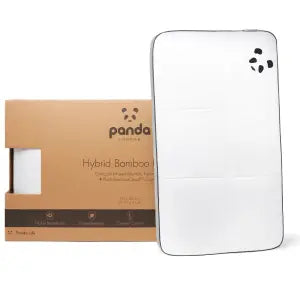
 Hybrid Bamboo Pillow
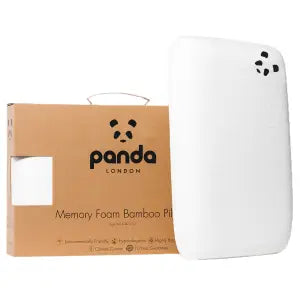 Memory Foam Bamboo Pillow
 Kids Memory Foam Bamboo Pillow
 Baby Memory Foam Bamboo Pillow
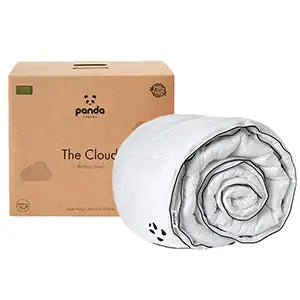 Panda Cloud Duvet
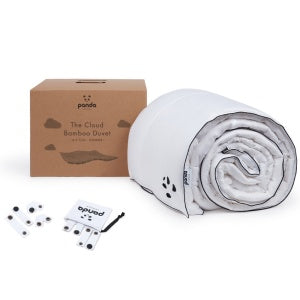 Bamboo Summer Duvet
 Kids Cloud Duvet
![[MattressTopper] Bamboo_Mattress_Topper_Package_Box-updated](http://pandalondon.com/cdn/shop/files/Bamboo_Mattress_Topper_Package_Box-updated.webp?crop=region&crop_height=1315&crop_left=92&crop_top=0&crop_width=1315&v=1782726992&width=1500)
![[MattressTopper] Woman laying on a Panda Bamboo Mattress Topper](http://pandalondon.com/cdn/shop/files/Bamboo_Mattress_Topper_Product_Image_01.webp?v=1782726484&width=1080)
![[MattressTopper] Guy laying on a Panda Bamboo Mattress Topper](http://pandalondon.com/cdn/shop/files/Bamboo_Mattress_Topper_Product_Image_02.webp?v=1782726484&width=1080)
![[MattressTopper] Woman setting up a Panda Bamboo Mattress Topper](http://pandalondon.com/cdn/shop/files/Bamboo_Mattress_Topper_Product_Image_03.webp?v=1782726484&width=1080)
![[MattressTopper] Panda London Memory Foam Bamboo Mattress Topper side](http://pandalondon.com/cdn/shop/files/Mattress_Topper_Isolated_-_resized.jpg?v=1773853354&width=800)
![[HybridMattressPro] Hybrid_Bamboo_Mattress_Pro_Product_Image_2026](http://pandalondon.com/cdn/shop/files/Hybrid_Bamboo_Mattress_Pro_Product_Image_2026.webp?v=1764944771&width=1000)
![[HybridMattressPro] Breathable Hybrid Bamboo Mattress](http://pandalondon.com/cdn/shop/products/Breathable-Hybrid-Bamboo-Mattress.jpg?v=1764944771&width=1920)
![[HybridMattressPro] Hybrid Bamboo Mattress Pro Cover Zip](http://pandalondon.com/cdn/shop/files/Hybrid_Bamboo_Mattress_Cover.jpg?v=1764944771&width=800)
![[HybridMattressPro] Panda Hybrid Bamboo Mattress Pro](http://pandalondon.com/cdn/shop/files/Hybrid_Bambo_Memory_Foam_Mattress_-_BioCell_Foam_x.jpg?v=1764944771&width=800)
![[HybridMattressPro] Couple on a Hybrid Bamboo Mattress Pro](http://pandalondon.com/cdn/shop/files/Hybrid_Bamboo_Mattress_Couple.jpg?v=1764944771&width=800)
![[CloudDuvet] Panda London The Cloud Bamboo Duvet Packaging](http://pandalondon.com/cdn/shop/products/Panda-London-The-Cloud-Bamboo-Duvet-Panda-Life-scaled_00a651ad-4ca3-4105-b520-12a94c1a4f71.jpg?v=1713363286&width=1920)
![[CloudDuvet] Panda London The Cloud Bamboo Duvet Rolled](http://pandalondon.com/cdn/shop/products/Duvet-Listing-Images03.jpg?v=1764079307&width=1000)
![[CloudDuvet] Panda London The Cloud Bamboo Duvet Girl Huggin a Duvet on the Bed](http://pandalondon.com/cdn/shop/files/Cloud_Bamboo_Duvet_-_Lady_Hugging_it_on_Bed_LifestyleImage.jpg?v=1764079307&width=1000)
![[CloudDuvet] Panda London The Cloud Bamboo Duvet Guy In the Air with Cloud Bamboo Duvet](http://pandalondon.com/cdn/shop/files/GuyonaHybridBambooMattresswithCloudDuvet.jpg?v=1772559689&width=2000)
![[CloudDuvet] Panda Cloud Duvet Winter on the bed lifestyle image](http://pandalondon.com/cdn/shop/files/Panda_Cloud_Duvet_Winter_on_the_Bed_Lifestyle-1_image.jpg?v=1772559689&width=1000)
![[BBWhite] 100_Bamboo_Bedding_Set_Pure_White](http://pandalondon.com/cdn/shop/files/100_Bamboo_Bedding_Set_Pure_White_01.webp?v=1781082973&width=1080)
![[BBWhite] White 100% Bamboo Bedding Texture](http://pandalondon.com/cdn/shop/files/100_Bamboo_Bedding_-_Pure_White_-_Close_Up_02.webp?v=1773611287&width=1000)
![[BBWhite] 100_Bamboo_Bedding_Set_Pure_White couple laughing](http://pandalondon.com/cdn/shop/files/100_Bamboo_Bedding_Set_Pure_White_02.webp?v=1781082974&width=1080)
![[BBWhite] White 100% Bamboo Bedding Woman Duvet cover buttons](http://pandalondon.com/cdn/shop/files/hand_and_buttons_1.webp?v=1773611287&width=1000)
![[BBWhite] 100_Bamboo_Bedding_Set_Pure_White woman sleeping](http://pandalondon.com/cdn/shop/files/100_Bamboo_Bedding_Set_Pure_White_03.webp?v=1781082973&width=1080)
![[BBUrbanGrey] 100_Bamboo_Bedding_Set_Urban_Grey_guy laying on the bedding](http://pandalondon.com/cdn/shop/files/100_Bamboo_Bedding_Set_Urban_Grey_01.webp?v=1781083567&width=1080)
![[BBUrbanGrey] Cloud Duvet Urban Grey 100% Bamboo Bedding Set](http://pandalondon.com/cdn/shop/files/Cloud_Duvet_-_Grey_-_Close_up_2.webp?v=1773611287&width=1000)
![[BBUrbanGrey] 100_Bamboo_Bedding_Set_Urban_Grey_woman opening the bedding bag](http://pandalondon.com/cdn/shop/files/100_Bamboo_Bedding_Set_Urban_Grey_02.webp?v=1781083568&width=1080)
![[BBUrbanGrey] 100_Bamboo_Bedding_Set_Urban_Grey_woman making the bed](http://pandalondon.com/cdn/shop/files/100_Bamboo_Bedding_Set_Urban_Grey_04.webp?v=1781083567&width=1080)
![[BBUrbanGrey] 100_Bamboo_Bedding_Set_Urban_Grey_couple reading magazines](http://pandalondon.com/cdn/shop/files/100_Bamboo_Bedding_Set_Urban_Grey_03.webp?v=1781083567&width=1080)
![[BBNavyBlue] Deep Sea Navy Blue 100% Bamboo Bedding Set couple reading a magazine](http://pandalondon.com/cdn/shop/files/100_Bamboo_Bedding_Set_Deep_Sea_Navy_01.webp?v=1781083134&width=1080)
![[BBNavyBlue] Deep Sea Navy Blue 100% Bamboo Bedding Texture](http://pandalondon.com/cdn/shop/files/Cloud_Duvet_-_Navy_-_Close_up_2.webp?v=1773611287&width=1000)
![[BBNavyBlue] Deep Sea Navy Blue 100% Bamboo Bedding Set couple reading a magazine and smiling](http://pandalondon.com/cdn/shop/files/100_Bamboo_Bedding_Set_Deep_Sea_Navy_02.webp?v=1781083135&width=1080)
![[BBNavyBlue] Deep Sea Navy Blue 100% Bamboo Bedding Set woman resting](http://pandalondon.com/cdn/shop/files/100_Bamboo_Bedding_Set_Deep_Sea_Navy_04.png?v=1781083138&width=1080)
![[BBNavyBlue] Deep Sea Navy Blue 100% Bamboo Bedding Set guy laying and smiling](http://pandalondon.com/cdn/shop/files/100_Bamboo_Bedding_Set_Deep_Sea_Navy_03.webp?v=1781083134&width=1080)
![[BBPink] Vintage Pink Blue 100% Bamboo Bedding woman making the bed](http://pandalondon.com/cdn/shop/files/100_Bamboo_Bedding_Set_Pink_01.webp?v=1781083678&width=1080)
![[BBPink] Vintage Pink Texture 100% Bamboo Bedding](http://pandalondon.com/cdn/shop/files/Cloud_Duvet_-_Pink_-_Close_up_2.webp?v=1773611287&width=1000)
![[BBPink] Vintage Pink Blue 100% Bamboo Bedding woman hugging the pillow with vintage pink pillow case](http://pandalondon.com/cdn/shop/files/100_Bamboo_Bedding_Set_Pink_02.webp?v=1781083678&width=1080)
![[BBPink] Vintage Pink Blue 100% Bamboo Bedding woman hiding under duvet with pink duvet cover](http://pandalondon.com/cdn/shop/files/100_Bamboo_Bedding_Set_Pink_03.webp?v=1781083679&width=1080)
![[BBPink] Vintage Pink Blue 100% Bamboo Bedding woman laying and smiling on the panda bedding set](http://pandalondon.com/cdn/shop/files/100_Bamboo_Bedding_Set_Pink_04.webp?v=1781083679&width=1080)
![[BBGrey] 100_Bamboo_Bedding_Set_Quiet_Grey_ woman holding the bedding](http://pandalondon.com/cdn/shop/files/100_Bamboo_Bedding_Set_Quiet_Grey_01.webp?v=1781083287&width=1080)
![[BBGrey] Light Grey 100% Bamboo Bedding texture](http://pandalondon.com/cdn/shop/files/Texture17.webp?v=1773611287&width=1000)
![[BBGrey] 100_Bamboo_Bedding_Set_Quiet_Grey_0guy laying and smiling](http://pandalondon.com/cdn/shop/files/100_Bamboo_Bedding_Set_Quiet_Grey_02.webp?v=1781083287&width=1080)
![[BBGrey] 100_Bamboo_Bedding_Set_Quiet_Grey_0guy reading a magazine on the bed](http://pandalondon.com/cdn/shop/files/100_Bamboo_Bedding_Set_Quiet_Grey_03.webp?v=1781083287&width=1080)
![[BBGrey] 100_Bamboo_Bedding_Set_Quiet_Grey_0woman making the bed](http://pandalondon.com/cdn/shop/files/100_Bamboo_Bedding_Set_Quiet_Grey_04.webp?v=1781083287&width=1080)

Back pain is one of the most common health complaints in the country — in the UK, up to 80% of people will experience low back pain at some point in their lives. And because back pain can make it hard to get comfortable and fall asleep, it often turns into a restless night and, over time, real sleep deprivation. The disturbed, light sleep caused by back pain means your body can't get the deep rest it needs to repair and stay healthy.
Back pain can considerably affect everyday life, making the simplest tasks — sitting, walking, sleeping — difficult. And it can be made worse by an inadequate mattress: one that isn't breathable, or that doesn't give the support and motion control needed to prevent the spinal misalignment that aggravates back and joint pain.
The good news is that the right mattress can be part of the solution rather than part of the problem. Here's how your mattress affects your back, what makes bamboo well-suited to pain relief, and how to choose the right firmness for your body and sleep style.

How does your mattress affect back pain?
Your mattress has one essential job when it comes to your back: keeping your spine in neutral alignment. That simply means your spine keeps its natural, gentle S-curve while you sleep — not pushed or sagged out of shape. When alignment slips, the muscles and ligaments around your spine have to work all night to compensate, and you wake up stiff and sore.
There are two ways a mattress gets this wrong:
- Too firm, and your hips and shoulders — the widest, heaviest parts of your body — can't sink in at all. Pressure builds at those points, and your spine is held slightly out of its natural line, creating pressure points and aches.
-
Too soft, and your hips sink in too far, pulling your lower back into a "hammock" curve. The spine bows downward in the middle, straining the lower back throughout the night.
The sweet spot for most people is medium-firm: enough give to cushion the hips and shoulders, enough support to hold everything level. If your current mattress is no longer providing that support — or never did — it can aggravate back pain, increase sleep deprivation, and knock on into your mood, focus and overall health. A bamboo mattress made from high-quality materials works with your body to keep you aligned and supported through the night, so you can recharge properly and wake up ready for the day.
What makes bamboo mattresses different for back pain?
Plenty of mattresses claim to help with back pain. What makes a bamboo hybrid genuinely well-suited to it comes down to its construction — and the fact that it tackles the two things an aching back needs most: support and pressure relief, working together.
A hybrid combines two layers that each do a different job. The pocket springs provide zoned support — responding individually to different parts of your body so your heavier areas are supported without the lighter ones being pushed up. The memory foam sits on top and provides pressure relief — contouring to your shape so your hips and shoulders are cushioned rather than compressed. Springs hold the line; foam softens the contact. That combination is hard to beat for back pain.
Here's what to look for:
Multi-zonal pocket springs and motion isolation. A hybrid bamboo mattress uses foams and multi-zonal pocket springs that reduce the transfer of movement — so a restless partner doesn't jolt you awake (and disrupted sleep doesn't compound your pain).
Orthopaedic-grade pressure relief. A bamboo mattress with orthopaedic-grade foam distributes weight evenly and prevents the build-up of pressure points that cause joint and back pain, contouring to your unique shape for full head-to-toe support.
Multiple layers for alignment. Several layers give the right balance of firmness and comfort to keep your back and neck aligned through the night — whether you sleep on your back, front or side.
Temperature regulation. This is more relevant to back pain than it sounds. Sleeping hot fragments your deep sleep — and deep sleep is exactly when your muscles do most of their overnight recovery. A breathable mattress helps you maintain a consistent body temperature, so recovery isn't interrupted. Max Kirsten, a sleep expert for Panda, explains:
"Bamboo bedding excels at temperature regulation, offering a natural solution for a comfortable night's sleep. The fabric's breathability allows air to circulate, preventing overheating during warm nights while providing warmth in cooler temperatures."
It's worth getting this decision right, because the cost of back pain is enormous — in the UK, low back pain costs the NHS nearly £5 billion a year from GP appointments alone. A supportive mattress won't fix everything, but it's one of the few changes you make once and benefit from every single night.
If you want reassurance before committing, Panda's hybrid bamboo mattress has been independently reviewed by Which?, and the brand holds 5 stars across more than 6,365 reviews on Trustpilot, with back and joint pain relief among the most frequently mentioned benefits.
Best mattress firmness for back pain
The right firmness isn't one-size-fits-all — it depends on how you sleep and your body weight together. Heavier sleepers sink in more, so they need a firmer surface to stay supported; lighter sleepers need a little more softness to feel any pressure relief at all. Use this as a starting guide:
|
Sleeping position |
Under 65 kg |
65–90 kg |
Over 90 kg |
|---|---|---|---|
|
Back sleeper |
Medium |
Medium-firm |
Firm |
|
Side sleeper |
Medium-soft |
Medium |
Medium-firm |
|
Stomach sleeper |
Firm |
Firm |
Firm |
As a general rule: back sleepers do best around medium-firm, side sleepers need a touch more softness (medium to medium-soft) to cushion the hips and shoulders, and stomach sleepers need it firmer to stop the lower back sagging. If your mattress is close but slightly too firm — or lightly worn rather than sagging — a mattress topper can be a cost-effective way to dial in the right feel for back pain without replacing the whole thing.
How can sleeping positions affect back pain?
Your sleeping position plays a big part in where back pain shows up, because each position loads the body differently. Here's what to watch for in each — and how to fix it.
Back sleepers carry most pressure in the lumbar (lower back) area. On too-soft a mattress, the lower back curves downward and that pressure increases. The fix is a medium-firm surface that supports the lumbar curve; slipping a thin pillow under the knees also takes strain off the lower back.
Side sleepers put the most pressure on the hips and shoulders, as these are the widest parts of the body. Too firm and those points are compressed; too soft and the spine bows. The fix is a mattress with good zoned pressure relief, plus a pillow between the knees to keep the hips and pelvis level. This is especially important if you suffer from sciatica — for many side sleepers, keeping the knees stacked and the spine neutral (and avoiding a sagging mattress) is one of the simplest ways to reduce the radiating leg pain that sciatica brings at night.
The same principle applies to inflammatory spinal conditions: if you have ankylosing spondylitis, a medium-firm hybrid that keeps the spine neutral is generally recommended, since too-soft a surface worsens the morning stiffness the condition is known for.
Stomach sleepers tend to feel it in both the lumbar area and the neck, as the back arches and the head turns to one side. A sagging mattress or a high pillow makes this worse, curving the spine into an unnatural U-shape. A firmer mattress and a very thin pillow (or none) helps — though if you can gradually retrain yourself onto your side or back, your spine will thank you.
Most of us shift position several times a night, so a supportive mattress that keeps you aligned in any position matters. As our orthopaedic expert Bethany Lawrence confirms: "Investing in a supportive mattress is vital for spinal health. A medium-firm mattress is generally recommended, as it offers the right balance of support and comfort." For more details, see our guide to the best sleeping positions for back pain.

What to look for in a good bamboo mattress?
Motion isolation: It can be annoying when you are comfortable and have nodded off to sleep, only to be woken when the person you sleep next to you moves. To add a deep, restful night’s sleep, a hybrid bamboo mattress is made up of foams and multi-zonal pocket springs, which help to reduce the transfer of movement, which can often cause pain in the back.
Pressure relief: A bamboo mattress with orthopaedic-grade foam to provide pressure relief, distributing weight evenly and preventing the build-up of pressure points, which can cause joint and back pain. This uniquely designed high-density foam ensures the mattress contours evenly to your unique body shape, giving complete body support from head to toe.
Multiple layers: A bamboo mattress with multiple layers can give the perfect combination of firmness and comfort to keep your back and neck in alignment throughout the night—no matter whether you are a back, front or side sleeper.
Temperature control: A mattress created from breathable materials like bamboo can ensure you are at the optimum sleep temperature, which will help to have deep undisturbed sleep. Max Kirsten, a sleep expert for Panda, supports the breathability of a bamboo mattress, 'Bamboo bedding excels at temperature regulation, offering a natural solution for a comfortable night's sleep. The fabric's breathability allows air to circulate, preventing overheating during warm nights while providing warmth in cooler temperatures.'
Bamboo vs memory foam vs innerspring for back pain
Not sure how a bamboo hybrid stacks up against the alternatives? Here's an honest comparison of the main mattress types for back pain:
|
Mattress type |
Pressure relief |
Spinal support |
Heat retention |
Best for |
|---|---|---|---|---|
|
Panda Bamboo Hybrid |
High |
High (zoned) |
Low |
Back, hip & shoulder pain |
|
Pure memory foam |
High |
Medium |
High |
Pressure-point pain |
|
Innerspring (traditional) |
Low |
Medium |
Low |
Light back pain only |
|
Latex |
Medium |
High |
Medium |
General back pain |
Pure memory foam gives excellent pressure relief but tends to sleep hot and offers less zoned support, so the spine can dip over time. Traditional innersprings are breathable but don't contour well, leaving pressure points poorly cushioned. Latex is supportive and durable, but firmer and less contouring than a hybrid. A bamboo hybrid aims to combine the best of these — the contouring relief of foam with the zoned, breathable support of pocket springs — which is why it suits the widest range of back, hip and shoulder pain.
The bottom line
If back pain is disrupting your sleep, your mattress is one of the first things worth examining. A supportive bamboo hybrid — medium-firm for most people — keeps your spine aligned, relieves pressure where pain tends to build, and stays cool enough not to interrupt the deep sleep your muscles recover in. Because comfort is so personal, choose a brand that lets you try it properly: every Panda mattress comes with a free home trial and a comfort guarantee, so you can feel the difference for yourself before you commit. For the bigger picture on aligning your whole sleep set-up, our ultimate sleep guide, from posture to pillows, is a good next read.
A bamboo mattress that works in unison with your body keeps you perfectly aligned and supported until morning — so you can recharge overnight and wake up well-rested and ready for the day ahead.
FAQ
1. Is a bamboo mattress good for back pain?
Yes. A supportive bamboo hybrid keeps the spine in neutral alignment while relieving pressure at the hips and shoulders — the combination that an aching back needs. A medium-firm feel suits most people with back pain.
2. Is a firm or soft mattress better for back pain?
Neither extreme. Too firm creates pressure points at the hips and shoulders; too soft lets the hips sink and the lower back sag. Medium-firm works best for most people, with adjustments up or down based on your body weight and sleeping position.
3. What is the best mattress for sciatica?
A medium-firm mattress that keeps the spine neutral and cushions the hips, avoiding anything too soft or sagging. Side sleepers with sciatica often find that a pillow between the knees helps reduce the radiating leg pain overnight. If sciatica is severe or persistent, see a GP or physiotherapist.
4. Is memory foam good for back pain?
Memory foam gives good pressure relief, but on its own, it can sleep hot and offer less zoned support than a hybrid. A bamboo hybrid pairs foam's contouring with the spinal support of pocket springs, which is generally better for back pain.
5. Can a mattress topper help with back pain?
Yes, if your mattress is only slightly too firm or lightly worn, a topper adds a layer of pressure relief. It can't rescue a genuinely sagging mattress, though; in that case, the support base is the problem, and the mattress needs replacing.
6. Can the right mattress help with conditions like a herniated disc or fibromyalgia?
A supportive, pressure-relieving surface can ease the discomfort that conditions like a herniated disc or fibromyalgia cause at night, but a mattress is not a treatment. Always speak to a GP or physiotherapist for diagnosis and a proper management plan.
![[SingleDeepSeaNavyBundle] Products Images](http://pandalondon.com/cdn/shop/files/SingleUltimateBundleHybridMattress_HybridPillow_DeepSeaNavy.webp?v=1721234675&width=2000)
![[SingleDeepSeaNavyBundle] Guy Hugging Pillow](http://pandalondon.com/cdn/shop/files/ManhuggingHybridBambooPillow.jpg?v=1721237287&width=768)
![[SingleDeepSeaNavyBundle] The Panda Cloud Duvet](http://pandalondon.com/cdn/shop/files/The_Cloud_Ultimate_Mattress_Bundle_with_Eye_Mask_Single.webp?v=1721232711&width=1558)
![[SingleDeepSeaNavyBundle] Guy with Bamboo Panda Eye mask Grey](http://pandalondon.com/cdn/shop/files/EyeMask-CloseUp_Panda_London.webp?v=1721232690&width=1500)
![[SingleDeepSeaNavyBundle] Bamboo Mattress Protector For Ultimate Bundle Hybrid Mattress UK Single](http://pandalondon.com/cdn/shop/files/Hybrid_Bamboo_Mattress_Ultimate_Bundle_-_Bamboo_Mattress_Protector_UK_Doubles_Deep_Sea_Navy.webp?v=1721235916&width=980)
![[SingleDeepSeaNavyBundle] Full Bedding Set Deep Sea Navy](http://pandalondon.com/cdn/shop/files/SingleMattressFullBeddingSetDeepSeaNavy.jpg?v=1721237287&width=768)
![[DoubleDeepSeaNavyBundle] Hybrid Bamboo Bundle Products Images](http://pandalondon.com/cdn/shop/files/UK_Double_Deep_Sea_Navy_Ultimate_Hybrid_Bundle_-_Deep_Sea_Navy_1.webp?v=1721235650&width=2000)
![[DoubleDeepSeaNavyBundle] Couple](http://pandalondon.com/cdn/shop/files/UK_Double_Deep_Sea_Navy_Ultimate_Hybrid_Bundle_Double_Mattress_Couples_Deep_Sea_Navy11.jpg?v=1721235649&width=768)
![[DoubleDeepSeaNavyBundle] Cloud Panda Cloud](http://pandalondon.com/cdn/shop/files/UK_Double_Deep_Sea_Navy_Ultimate_Hybrid_Bundle_The_Cloud_Ultimate_Mattress_Bundle_with_Eye_Mask_Double1.webp?v=1721235650&width=1558)
![[DoubleDeepSeaNavyBundle] Eye mask Grey Coulour](http://pandalondon.com/cdn/shop/files/UK_Double_Deep_Sea_Navy_Ultimate_Hybrid_Bundle_EyeMask-CloseUp_Panda_London_Double_Deep_Sea_Navy_1.webp?v=1721235650&width=1500)
![[DoubleDeepSeaNavyBundle] Bamboo Mattress Protector For Ultimate Bundle Hybrid Mattress UK Single](http://pandalondon.com/cdn/shop/files/Hybrid_Bamboo_Mattress_Ultimate_Bundle_-_Bamboo_Mattress_Protector_UK_Single_Deep_Sea_Navy.webp?v=1721235916&width=980)
![[DoubleDeepSeaNavyBundle] Deep Sea Navy Bundle](http://pandalondon.com/cdn/shop/files/UK_Double_Deep_Sea_Navy_Ultimate_Hybrid_Bundle_Double_MattressFullBeddingSetDeepSeaNavy.webp?v=1721235649&width=768)
![[SingleUrbanGreyBundle] Products Images All for Bundles](http://pandalondon.com/cdn/shop/files/UK_Single_Ultimate_Bundle_-_Single_Urban_Grey_Packages_All_Zoomed.webp?v=1721237489&width=1966)
![[SingleUrbanGreyBundle] UK Bundle Single Guy Hugging the pillow](http://pandalondon.com/cdn/shop/files/UK_Single_Hugging_Hybrid_Bamboo_Pillow-Urban_Grey.jpg?v=1721237042&width=768)
![[SingleUrbanGreyBundle] Panda Cloud Duvet with eye mask](http://pandalondon.com/cdn/shop/files/UK_Single_Urban_Grey_Ultimate_Hybrid_Bundle_The_Cloud.webp?v=1721237043&width=1558)
![[SingleUrbanGreyBundle] Guy with Eye mask Urban Grey](http://pandalondon.com/cdn/shop/files/UK_Single_Urban_Grey_Ultimate_Hybrid_Bundle_EyeMask-CloseUp_Panda_London.webp?v=1721237042&width=1500)
![[SingleUrbanGreyBundle] Bamboo mattress protector](http://pandalondon.com/cdn/shop/files/Hybrid_Bamboo_Mattress_Ultimate_Bundle_-_Bamboo_Mattress_Protector_UK_Single_Urban_Grey.webp?v=1721237042&width=980)
![[SingleUrbanGreyBundle] Bamboo Bedding Panda London Urban Grey](http://pandalondon.com/cdn/shop/files/UK_Single_Urban_Grey_Ultimate_Hybrid_Bundle_Double_Mattress_Bamboo_Bedding_Full_Set_Urban_Grey.webp?v=1721237043&width=1000)
![[DoubleUrbanGreyBundle] Hybrid Bamboo Bundle Products Images All](http://pandalondon.com/cdn/shop/files/UK_Double_Ultimate_Bundle_-_Single_Urban_Grey_Packages_All.webp?v=1721237166&width=2000)
![[DoubleUrbanGreyBundle] Couples smiling](http://pandalondon.com/cdn/shop/files/UK_Double_Urban_Grey_Ultimate_Hybrid_Bundle_Double_Mattress_Couples.jpg?v=1721237166&width=768)
![[DoubleUrbanGreyBundle] Duvet White](http://pandalondon.com/cdn/shop/files/UK_Double_Urban_Grey_Ultimate_Hybrid_Bundle_The_Cloud.webp?v=1721237167&width=1558)
![[DoubleUrbanGreyBundle] Eye mask one eye](http://pandalondon.com/cdn/shop/files/UK_Double_Urban_Grey_Ultimate_Hybrid_Bundle_EyeMask-CloseUp_Panda_London.webp?v=1721237167&width=1500)
![[DoubleUrbanGreyBundle] Protector Mattress Panda](http://pandalondon.com/cdn/shop/files/Hybrid_Bamboo_Mattress_Ultimate_Bundle_-_Bamboo_Mattress_Protector_UK_Doubles_Urban_Grey.webp?v=1721237209&width=980)
![[DoubleUrbanGreyBundle] bamboo Bedding 100%](http://pandalondon.com/cdn/shop/files/UK_Double_Urban_Grey_Ultimate_Hybrid_Bundle_Double_Mattress_Bamboo_Bedding_Full_Set_Urban_Grey.webp?v=1721237167&width=1000)
![[SinglePureWhiteBundle] Products Images Pure White](http://pandalondon.com/cdn/shop/files/Ultimate_Bundle_-_UK_Single_Pure_White.webp?v=1721237931&width=2000)
![[SinglePureWhiteBundle] Guy with Hybrid Bamboo Pillow Panda London](http://pandalondon.com/cdn/shop/files/UK_Single_Hugging_Hybrid_Bamboo_Pillow-_Pure_White.jpg?v=1721237931&width=768)
![[SinglePureWhiteBundle] Panda Cloud Duvet London](http://pandalondon.com/cdn/shop/files/UK_Single_Pure_White_Ultimate_Hybrid_Bundle_The_Cloud.webp?v=1721237931&width=1558)
![[SinglePureWhiteBundle] Bamboo Eye Mask for Bundle](http://pandalondon.com/cdn/shop/files/UK_Single_Pure_White_Ultimate_Hybrid_Bundle_EyeMask-CloseUp_Panda_London.webp?v=1721237931&width=1500)
![[SinglePureWhiteBundle] Bamboo Mattress Protector Full](http://pandalondon.com/cdn/shop/files/Hybrid_Bamboo_Mattress_Ultimate_Bundle_-_Bamboo_Mattress_Protector_UK_Single_Pure_White.webp?v=1721237930&width=980)
![[SinglePureWhiteBundle] Full bamboo Bedding Set Panda London](http://pandalondon.com/cdn/shop/files/Single_Mattress_Full_Bedding_Set_Pure_White_Full.webp?v=1721237931&width=1000)
![[DoublePureWhiteBundle] Hybrid Bamboo Bundle Products Images All Pure White](http://pandalondon.com/cdn/shop/files/UK_King_size_Bundle_Pure_White.webp?v=1721238057&width=2000)
![[DoublePureWhiteBundle] Couple Looking into each other](http://pandalondon.com/cdn/shop/files/UK_Double_Pure_White_Ultimate_Hybrid_Bundle_Double_Mattress_Couples.jpg?v=1721238057&width=768)
![[DoublePureWhiteBundle] Panda Cloud Duvet London](http://pandalondon.com/cdn/shop/files/UK_Double_Pure_White_Ultimate_Hybrid_Bundle_The_Cloud.webp?v=1721238057&width=1558)
![[DoublePureWhiteBundle] Bamboo Eye Mask guy wearing and smiling](http://pandalondon.com/cdn/shop/files/UK_Double_Pure_White_Ultimate_Hybrid_Bundle_EyeMask-CloseUp_Panda_London.webp?v=1721238057&width=1500)
![[DoublePureWhiteBundle] Mattress Protector Bamboo](http://pandalondon.com/cdn/shop/files/Hybrid_Bamboo_Mattress_Ultimate_Bundle_-_Bamboo_Mattress_Protector_UK_Doubles_Pure_White.webp?v=1721238057&width=980)
![[DoublePureWhiteBundle] Bamboo White Bedding Full Set](http://pandalondon.com/cdn/shop/files/UK_Double_Mattress_Full_Bedding_Set_Pure_White_Panda_London.webp?v=1721238058&width=1000)
![[SingleQuietLightGreyBundle] All Grey Products Images Pure White](http://pandalondon.com/cdn/shop/files/Ultimate_Bundle_-_UK_Single_Quiet_Grey_Light_Grey.webp?v=1721239361&width=2000)
![[SingleQuietLightGreyBundle] Huggin Pillow Guy and Smiling](http://pandalondon.com/cdn/shop/files/UK_Single_Hugging_Hybrid_Bamboo_Pillow-_Light_Grey.jpg?v=1721239361&width=768)
![[SingleQuietLightGreyBundle] Panda Cloud Duvet London](http://pandalondon.com/cdn/shop/files/UK_Single_Grey_Light_Ultimate_Hybrid_Bundle_The_Cloud.webp?v=1721239361&width=1637)
![[SingleQuietLightGreyBundle] Eye Mask Bamboo Grey](http://pandalondon.com/cdn/shop/files/UK_Single_Light_Grey_Ultimate_Hybrid_Bundle_EyeMask-CloseUp_Panda_London.webp?v=1721239361&width=1500)
![[SingleQuietLightGreyBundle] Bamboo Mattress Protector Panda London](http://pandalondon.com/cdn/shop/files/Hybrid_Bamboo_Mattress_Ultimate_Bundle_-_Bamboo_Mattress_Protector_UK_Single_Light_Grey.webp?v=1721239360&width=980)
![[SingleQuietLightGreyBundle] Full Grey Bedding Set for Bundle](http://pandalondon.com/cdn/shop/files/Single_Mattress_Full_Bedding_Set_Light_Grey_Ultimate_Mattress_Bundle_Full.webp?v=1721239361&width=1000)
![[DoubleLightQuietGreyBundle] Hybrid Bamboo Bundle Products Images All Light Grey with Pink Eye Masks](http://pandalondon.com/cdn/shop/files/UK_Double_and_King_size_Ultiamte_mattress_Bundle_Quiet_Grey_Package.webp?v=1721239522&width=2000)
![[DoubleLightQuietGreyBundle] Couples smiling at each other on the Mattress](http://pandalondon.com/cdn/shop/files/UK_Double_Light_Grey_Ultimate_Hybrid_Bundle_Double_Mattress_Couples.jpg?v=1721239522&width=768)
![[DoubleLightQuietGreyBundle] Panda Cloud Duvet London](http://pandalondon.com/cdn/shop/files/UK_Single_Grey_Light_Ultimate_Hybrid_Bundle_The_Cloud_36a139df-c39f-4d97-a727-afcbaaa16416.webp?v=1721239522&width=1637)
![[DoubleLightQuietGreyBundle] Vintage Pink Eye mask girl smiling](http://pandalondon.com/cdn/shop/files/UK_Double_Ultimate_Mattress_Bundle_-_Bamboo_Eye_Mask_Vintage_Pink.webp?v=1721239522&width=2000)
![[DoubleLightQuietGreyBundle] Bamboo Mattress Protector Full in Panda London](http://pandalondon.com/cdn/shop/files/Hybrid_Bamboo_Mattress_Ultimate_Bundle_-_Bamboo_Mattress_Protector_UK_Doubles_Light_Grey.webp?v=1721239522&width=980)
![[DoubleLightQuietGreyBundle] Bamboo Bedding from panda London Light Grey](http://pandalondon.com/cdn/shop/files/UK_Double_Mattress_Full_Bedding_Set_Light_Grey_Bundle_Panda_London.webp?v=1721239523&width=1000)
![[SingleVintagePinkColorBundle] Vintage Pink Bundle with Vintage Pink Bedding Set and Eye Mask](http://pandalondon.com/cdn/shop/files/Ultimate_Bundle_-_Vintage_Pink_-_Single_Size_WEBP.webp?v=1738068146&width=2000)
![[SingleVintagePinkColorBundle] Hybrid Bamboo Pillow in Ultimate Bundle Vintage Pink Bundle with Vintage Pink Bedding Set and Eye Mask](http://pandalondon.com/cdn/shop/files/UK_Single_Hugging_Hybrid_Bamboo_Pillow-_Vintage_Pink-Set.jpg?v=1738068146&width=768)
![[SingleVintagePinkColorBundle] Cloud Duvet in Ultimate Bundle Vintage Pink Bundle with Vintage Pink Bedding Set and Eye Mask](http://pandalondon.com/cdn/shop/files/UK_Single_Vintage_Pink-_Ultimate_Hybrid_Bundle_The_Cloud-Set.webp?v=1738068146&width=1637)
![[SingleVintagePinkColorBundle] Ultimate Bundle Vintage Pink Bundle with Vintage Pink Bedding Set and Vintage Pink Eye Mask Girl holding Vintage Pink Eye Mask](http://pandalondon.com/cdn/shop/files/UK_Single_Ultimate_Mattress_Bundle_-_Bamboo_Eye_Mask_Vintage_Pink-Set.webp?v=1738068146&width=2000)
![[SingleVintagePinkColorBundle] Mattress Protector in Ultimate Bundle Vintage Pink Bundle with Vintage Pink Bedding Set and Eye Mask](http://pandalondon.com/cdn/shop/files/Hybrid_Bamboo_Mattress_Ultimate_Bundle_-_Bamboo_Mattress_Protector_UK_Single_Light_Grey_f163ce1f-8bdf-4572-a41f-d6f45aedb7fc.webp?v=1738068146&width=980)
![[SingleVintagePinkColorBundle] Ultiamte Bundle Vintage Pink Full Set Vintage Pink Bedding Set and Eye Mask](http://pandalondon.com/cdn/shop/files/Ultimate_Bundle_Single_Vintage_Pink_Bedding_Set_Color.webp?v=1738068146&width=1000)
![[DoubleVintagePinkColorBundle] Double Size Vintage Pink Bundle with Vintage Pink Bedding Set and Eye Mask](http://pandalondon.com/cdn/shop/files/Ultimate_Bundle_-_Vintage_Pink_-_Double_size_WEBP.webp?v=1738068146&width=2000)
![[DoubleVintagePinkColorBundle] Double Sizes Couples smiling at each other with a dog on the Mattress](http://pandalondon.com/cdn/shop/files/UK_Double_Coupleg_Hybrid_Bamboo_Pillow-_Vintage-Pink.webp?v=1738252516&width=1000)
![[DoubleVintagePinkColorBundle]Double Cloud Duvet in Ultimate Bundle Vintage Pink Bundle with Vintage Pink Bedding Set and Eye Mask](http://pandalondon.com/cdn/shop/files/UK_Double_Vintage-Pink_Ultimate_Hybrid_Bundle_The_Cloud.webp?v=1738068146&width=1637)
![[DoubleVintagePinkColorBundle] Double Ultimate Bundle Vintage Pink Bundle with Vintage Pink Bedding Set and Vintage Pink Eye Mask Girl holding Vintage Pink Eye Mask](http://pandalondon.com/cdn/shop/files/UK_Double_Ultimate_Mattress_Bundle_-_Bamboo_Eye_Mask_Vintage_Pink-Set.webp?v=1738068146&width=2000)
![[DoubleVintagePinkColorBundle] Double Mattress Protector in Ultimate Bundle Vintage Pink Bundle with Vintage Pink Bedding Set and Eye Mask](http://pandalondon.com/cdn/shop/files/Hybrid_Bamboo_Mattress_Ultimate_Bundle_-_Bamboo_Mattress_Protector_UK_Double_Vintage-Pink.webp?v=1738068146&width=980)
![[DoubleVintagePinkColorBundle] Ultiamte Bundle Vintage Pink Full Set Vintage Pink Bedding Set and Eye Mask](http://pandalondon.com/cdn/shop/files/Ultimate_Bundle_Double_Vintage_Pink_Bedding_Set_Color.webp?v=1738067960&width=1000)
![[all] Bamboo Mattress Protector Package - PandaLondon](http://pandalondon.com/cdn/shop/files/Bamboo_Mattress_Protector_-_Packaging_Image_-_White_Background.webp?v=1721139172&width=1900)
![[all] Bamboo Mattress Protector for Hybrid Bamboo Mattress](http://pandalondon.com/cdn/shop/files/Bamboo_Mattress_Protector_New.webp?v=1721138562&width=1000)
![[all] Book on a Bamboo Mattress Protector](http://pandalondon.com/cdn/shop/products/Mattress-Protector-Listing-Images02.jpg?v=1721139189&width=1500)
![[all] Bamboo Mattress Protector Corner](http://pandalondon.com/cdn/shop/products/Mattress-Protector-Listing-Images03-e1623787734812.jpg?v=1721139189&width=1300)
![[all] Bamboo Mattress Protector Corner in line Panda London](http://pandalondon.com/cdn/shop/products/Mattress-Protector-Listing-Images04.jpg?v=1721139183&width=1500)
![[all] Panda Bamboo Mattress Protector Panda London](http://pandalondon.com/cdn/shop/files/Panda-Bamboo-Mattress-Protector-Guarantee-768x768_jpg_450393f5-91a9-499f-b15a-12d636a9a8b7.webp?v=1721139183&width=768)

