
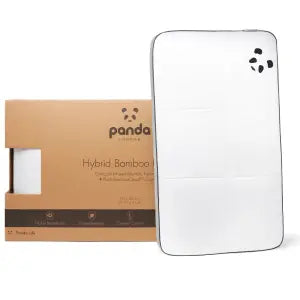
 Hybrid Bamboo Pillow
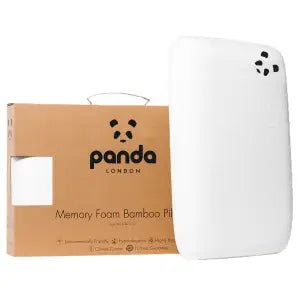 Memory Foam Bamboo Pillow
 Kids Memory Foam Bamboo Pillow
 Baby Memory Foam Bamboo Pillow
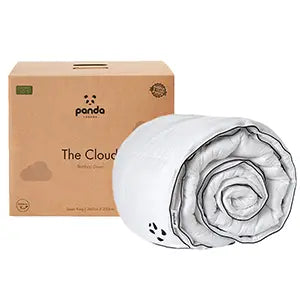 Panda Cloud Duvet
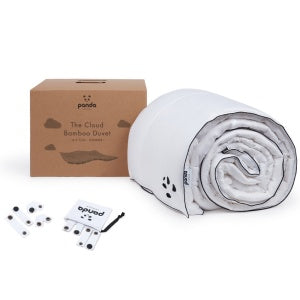 Bamboo Summer Duvet
 Kids Cloud Duvet


Quick Answer:
A bamboo duvet is a duvet whose filling, cover or both are made from bamboo-derived fibres, often blended with other fibres. It is breathable and helps regulate temperature, so it suits hot sleepers and works through most of the year. It is hypoallergenic, lighter than feather and free from animal products.
When it comes to a good night’s sleep, the quality of your bedding plays a huge role. If you’re looking to upgrade, a bamboo duvet could be the game-changer you need. Soft, sustainable, and naturally cooling, bamboo duvets offer a host of benefits that can transform the way you rest.
Here’s what a bamboo duvet is, how it compares with feather and cotton, and how to choose the right one for your sleep.
What is a bamboo duvet?
A bamboo duvet is filled, covered or both with fibres made from bamboo. The plant is broken down and turned into bamboo viscose, a soft fibre that is then spun into a filling or woven into fabric. Many bamboo duvets blend these fibres with others to get the right balance of loft, warmth and weight.
Our Cloud Bamboo Duvet, for example, has a filling of 50% bamboo viscose and 50% Nano-Microfibre™, made from recycled plastic bottles, in a 100% bamboo viscose cover.
Is a bamboo duvet comfortable?
Absolutely. Comfort is one of the biggest reasons people switch to bamboo. The unique structure of bamboo fibres allows excellent breathability and temperature regulation. This means you stay cosy in the winter but don’t overheat in summer.
Bamboo fabric is also naturally smooth and soft, often compared to silk or cashmere. If you’ve struggled with restless nights due to overheating, night sweats or scratchy fabrics, a bamboo duvet can make a real difference.
Can you use a bamboo duvet year-round?
Yes, and it’s one of the main reasons people choose bamboo. Bamboo is breathable and moisture-wicking, so a bamboo duvet holds warmth on cold nights but lets heat escape when the room warms up. That means fewer nights spent kicking the covers off or reaching for an extra blanket.
For most UK homes, a 10.5 tog duvet like our Cloud Bamboo Duvet works through most of the year. If you’d rather adjust with the seasons, our Bamboo Cloud 3-in-1 All Seasons Duvet gives you a 4.5 tog duvet for summer and a 10.5 tog for spring and autumn, which fasten together to make 15 tog for the coldest nights.
Is a bamboo duvet hypoallergenic?
Yes. Bamboo duvets are hypoallergenic, which makes them a good choice for anyone with allergies, asthma or sensitive skin. The smooth texture is gentle against the skin, and a breathable, moisture-wicking fill helps keep the bed drier and fresher overnight. That’s why hypoallergenic duvets like bamboo are a popular choice for children’s beds and allergy-prone adults.

Bamboo vs feather vs cotton: which duvet is best?
It depends on how you sleep. Bamboo suits hot sleepers and anyone who wants one duvet for most of the year. Feather and down suit cold sleepers who love a heavier, lofty feel. Cotton is widely available and often cheaper, but less effective at regulating temperature.
|
Bamboo |
Feather & down |
Cotton |
|
|---|---|---|---|
|
Best for |
Hot sleepers and year-round use |
Cold sleepers |
Budget-conscious buyers |
|
Temperature |
Breathable and helps regulate temperature |
Very warm, can feel too hot in summer |
Breathable, but less effective at regulating temperature |
|
Allergies |
Hypoallergenic |
Can trigger allergies in some people |
Usually well tolerated |
|
Weight |
Light |
Heavier and loftier |
Medium |
|
Animal-free |
Yes |
No |
Yes |
|
Price |
Usually more than cotton |
Varies widely |
Usually the most affordable |
Feather and down duvets have real strengths. They are very warm for colder bedrooms; they have been around much longer, so they’re easy to find, and good ones last well. But they are heavier, can trigger allergies in some people, and aren’t an option if you’d rather avoid animal products.
Bamboo duvets usually cost more than cotton, but they are lighter, hypoallergenic, animal-free and comfortable across more of the year. If you sleep hot or have allergies, bamboo is the better fit. If you sleep cold and love a weighty duvet, feather may suit you better.
Is bamboo an eco-friendly duvet filling?
Bamboo is one of the fastest-growing plants in the world and regrows from its own roots after it’s cut, so it doesn’t need replanting. That makes it a renewable source of fibre.
How the fibre is made matters too. Turning bamboo into soft viscose involves processing, so it’s worth choosing a brand that is open about where its bamboo comes from and how it’s made. In our Cloud Bamboo Duvet, half the filling is Nano-Microfibre™ made from recycled bottles, giving that plastic a second life. You can read more about bamboo’s sustainability credentials.

How to choose the right bamboo duvet
When buying a bamboo duvet, consider:
- Tog rating – 4.5 tog for summer and hot sleepers, 10.5 tog for most of the year in most UK homes, and 15 tog for cold rooms and deep winter. Our duvet tog rating guide explains more.
- Filling – Many bamboo duvets are blends, so check the label and choose a brand that is open about what the filling is made from.
- Size – Check your mattress size to avoid fit issues. Duvets are usually wider than the mattress, so they drape over the sides.
- Trial and guarantee – Look for brands that offer a free trial and a long guarantee. Our Cloud Bamboo Duvet has a 30-night trial and a 5-year guarantee.
-
Certifications – Look for independent certifications such as OEKO-TEX® Standard 100, which tests the finished fabric for harmful substances.
How long does a bamboo duvet last, and how do you care for it?
Bamboo duvets are durable and easy to look after. The fibres stay soft after repeated washes, and because bamboo is breathable and moisture-wicking, it tends to stay fresher between washes. Our Cloud Bamboo Duvet comes with a 5-year guarantee.
Care tips:
- Always use a duvet cover, like our bamboo covers, to protect it.
- Wash at up to 30 degrees on a gentle cycle, or by hand, with an eco-friendly detergent.
- Avoid bleach and fabric softener.
- Line-dry where you can. If you need to tumble dry, use a low temperature.
- When it’s not in use, store it somewhere cool, dry and airy.
For more detail, see our guide to how to clean and maintain your duvet.
How can a bamboo duvet enhance your bedroom?
Beyond sleep, a bamboo duvet adds to the look of your room. Designs like our Cloud Bamboo Duvet, with its black piping, bring a touch of luxury and calm simplicity. Natural bedding looks effortlessly stylish and helps create a bedroom you’ll love coming back to each night.
How can a bamboo duvet revolutionise your sleep?
The benefits of bamboo bedding go beyond softness. Bamboo duvets:
- Help regulate body temperature
- Are hypoallergenic and gentle on sensitive skin
- Are made from a fast-growing, renewable plant
- Stay soft wash after wash
Switching to a bamboo duvet means fewer restless nights and more mornings waking up refreshed.
Conclusion
A bamboo duvet is more than just bedding. It’s an investment in cooler, more comfortable sleep through most of the year, with a lighter, animal-free filling that is gentle on sensitive skin. If you sleep hot, have allergies or want one duvet that does more, bamboo is one of the simplest upgrades you can make. Explore our bamboo duvets to find the right tog for you.
FAQ
1. What is the difference between a feather and a bamboo duvet?
A feather duvet is filled with feathers, and often down, from ducks or geese. A bamboo duvet uses fibres made from bamboo, often blended with other fibres. Feather is warmer and heavier, while bamboo is lighter, more breathable, hypoallergenic and free from animal products.
2. Is a bamboo or feather duvet better for hot sleepers?
Bamboo. It is breathable and moisture-wicking, so it lets heat and moisture escape rather than trapping them. Feather and down hold a lot of warmth, which suits cold bedrooms but can leave hot sleepers uncomfortable. A 4.5 tog bamboo duvet is a good choice for the warmest months.
3. Are bamboo duvets good for allergies?
Yes. Bamboo duvets are hypoallergenic, so they are a good choice if you have allergies, asthma or sensitive skin. Feather duvets can trigger reactions in some people. A breathable bamboo filling also helps keep the bed drier and fresher, and a washable cover adds an extra layer of protection.
4. Is a bamboo duvet as warm as a feather duvet?
Warmth depends on the tog rating rather than the filling. A 10.5 tog bamboo duvet keeps most people warm through most of the year, and a 15 tog option covers the coldest nights. Bamboo gives you that warmth with less weight and less risk of overheating.
5. Can you use a bamboo duvet all year round?
Yes. Because bamboo helps regulate temperature, a 10.5 tog bamboo duvet works through most of the year in most UK homes. If you want more flexibility, a 3-in-1 all-seasons duvet lets you switch between 4.5, 10.5 and 15 tog as the weather changes.
6. What tog bamboo duvet should I get?
4.5 tog suits summer and hot sleepers, 10.5 tog works for most of the year in most UK homes, and 15 tog is for cold rooms and deep winter. If you’re not sure, our duvet tog rating guide walks you through it by room temperature.
7. How do you wash a bamboo duvet?
Wash it at up to 30 degrees on a gentle cycle, or by hand, using an eco-friendly detergent without bleach or fabric softener. Line-dry where you can, or tumble dry on a low heat. Using a duvet cover means you’ll need to wash the duvet itself less often.
About the Author:
Katy Gilroy is the Partnerships and Community Lead at Panda London, specialising in sleep wellbeing, sustainable living and thoughtful home comforts. She studied journalism and creative writing, and now writes across topics such as bedding, mattresses, sleep hygiene, bamboo materials and lifestyle-led sustainability. Her goal is to turn expert-backed ideas and product knowledge into practical content that helps the Panda community sleep better and live a little more consciously.


