
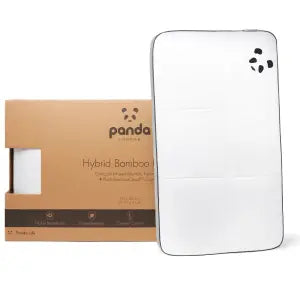
 Hybrid Bamboo Pillow
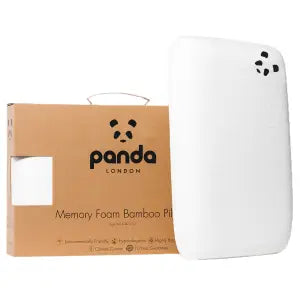 Memory Foam Bamboo Pillow
 Kids Memory Foam Bamboo Pillow
 Baby Memory Foam Bamboo Pillow
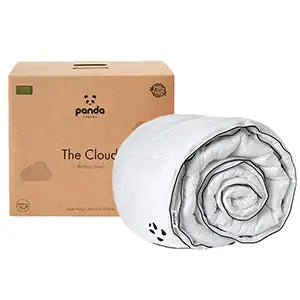 Panda Cloud Duvet
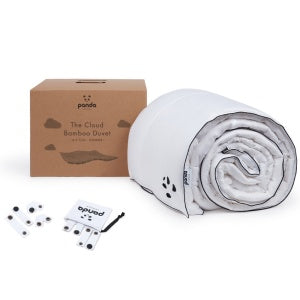 Bamboo Summer Duvet
 Kids Cloud Duvet
![[MattressTopper] Bamboo_Mattress_Topper_Package_Box-updated](http://pandalondon.com/cdn/shop/files/Bamboo_Mattress_Topper_Package_Box-updated.webp?crop=region&crop_height=1315&crop_left=92&crop_top=0&crop_width=1315&v=1782726992&width=1500)
![[MattressTopper] Woman laying on a Panda Bamboo Mattress Topper](http://pandalondon.com/cdn/shop/files/Bamboo_Mattress_Topper_Product_Image_01.webp?v=1782726484&width=1080)
![[MattressTopper] Guy laying on a Panda Bamboo Mattress Topper](http://pandalondon.com/cdn/shop/files/Bamboo_Mattress_Topper_Product_Image_02.webp?v=1782726484&width=1080)
![[MattressTopper] Woman setting up a Panda Bamboo Mattress Topper](http://pandalondon.com/cdn/shop/files/Bamboo_Mattress_Topper_Product_Image_03.webp?v=1782726484&width=1080)
![[MattressTopper] Panda London Memory Foam Bamboo Mattress Topper side](http://pandalondon.com/cdn/shop/files/Mattress_Topper_Isolated_-_resized.jpg?v=1773853354&width=800)
![[HybridMattressPro] Hybrid_Bamboo_Mattress_Pro_Product_Image_2026](http://pandalondon.com/cdn/shop/files/Hybrid_Bamboo_Mattress_Pro_Product_Image_2026.webp?v=1764944771&width=1000)
![[HybridMattressPro] A woman in white pajamas lies on her side on a mattress atop a gray upholstered bed frame in a softly lit bedroom. The mattress has a white top layer with a subtle geometric pattern and a black center band, with a small Panda Mattress logo patch visible on the side.](http://pandalondon.com/cdn/shop/files/Mattress_PRO-01.webp?v=1790672728&width=2049)
![[HybridMattressPro] Hybrid Bamboo Mattress Pro Cover Zip](http://pandalondon.com/cdn/shop/files/Hybrid_Bamboo_Mattress_Cover.jpg?v=1764944771&width=800)
![[HybridMattressPro] A woman in a cream-colored pajama set kneels beside a bed, holding down a mattress protector on a Panda Mattress to show its support and comfort.](http://pandalondon.com/cdn/shop/files/Mattress_PRO-03.webp?v=1790672728&width=2049)
![[HybridMattressPro] A woman in light pink pajamas sits on a Panda Bamboo mattress](http://pandalondon.com/cdn/shop/files/Mattress_PRO-04.webp?v=1790672728&width=2049)
![[CloudDuvet] Panda London The Cloud Bamboo Duvet Packaging](http://pandalondon.com/cdn/shop/products/Panda-London-The-Cloud-Bamboo-Duvet-Panda-Life-scaled_00a651ad-4ca3-4105-b520-12a94c1a4f71.jpg?v=1713363286&width=1920)
![[CloudDuvet] Panda London The Cloud Bamboo Duvet Rolled](http://pandalondon.com/cdn/shop/products/Duvet-Listing-Images03.jpg?v=1764079307&width=1000)
![[CloudDuvet] Guy making the bed with Panda Cloud Duvet 10.5 TOG](http://pandalondon.com/cdn/shop/files/Duvet_10.5_Tog-02.webp?v=1790607319&width=2049)
![[CloudDuvet] Guy reading a book on the bed covered with Panda Cloud Duvet 10.5 TOG](http://pandalondon.com/cdn/shop/files/Duvet_10.5_Tog-03.webp?v=1790607319&width=2049)
![[CloudDuvet] Guy making his bed with Panda Cloud Duvet 10.5 TOG](http://pandalondon.com/cdn/shop/files/Duvet_10.5_Tog-04.webp?v=1790607319&width=2049)
![[BBWhite] 100_Bamboo_Bedding_Set_Pure_White](http://pandalondon.com/cdn/shop/files/100_Bamboo_Bedding_Set_Pure_White_01.webp?v=1781082973&width=1080)
![[BBWhite] White 100% Bamboo Bedding Texture](http://pandalondon.com/cdn/shop/files/100_Bamboo_Bedding_-_Pure_White_-_Close_Up_02.webp?v=1773611287&width=1000)
![[BBWhite] 100_Bamboo_Bedding_Set_Pure_White couple laughing](http://pandalondon.com/cdn/shop/files/100_Bamboo_Bedding_Set_Pure_White_02.webp?v=1781082974&width=1080)
![[BBWhite] White 100% Bamboo Bedding Woman Duvet cover buttons](http://pandalondon.com/cdn/shop/files/hand_and_buttons_1.webp?v=1773611287&width=1000)
![[BBWhite] 100_Bamboo_Bedding_Set_Pure_White woman sleeping](http://pandalondon.com/cdn/shop/files/100_Bamboo_Bedding_Set_Pure_White_03.webp?v=1781082973&width=1080)
![[BBUrbanGrey] 100_Bamboo_Bedding_Set_Urban_Grey_guy laying on the bedding](http://pandalondon.com/cdn/shop/files/100_Bamboo_Bedding_Set_Urban_Grey_01.webp?v=1781083567&width=1080)
![[BBUrbanGrey] Cloud Duvet Urban Grey 100% Bamboo Bedding Set](http://pandalondon.com/cdn/shop/files/Cloud_Duvet_-_Grey_-_Close_up_2.webp?v=1773611287&width=1000)
![[BBUrbanGrey] 100_Bamboo_Bedding_Set_Urban_Grey_woman opening the bedding bag](http://pandalondon.com/cdn/shop/files/100_Bamboo_Bedding_Set_Urban_Grey_02.webp?v=1781083568&width=1080)
![[BBUrbanGrey] 100_Bamboo_Bedding_Set_Urban_Grey_woman making the bed](http://pandalondon.com/cdn/shop/files/100_Bamboo_Bedding_Set_Urban_Grey_04.webp?v=1781083567&width=1080)
![[BBUrbanGrey] 100_Bamboo_Bedding_Set_Urban_Grey_couple reading magazines](http://pandalondon.com/cdn/shop/files/100_Bamboo_Bedding_Set_Urban_Grey_03.webp?v=1781083567&width=1080)
![[BBNavyBlue] Deep Sea Navy Blue 100% Bamboo Bedding Set couple reading a magazine](http://pandalondon.com/cdn/shop/files/100_Bamboo_Bedding_Set_Deep_Sea_Navy_01.webp?v=1781083134&width=1080)
![[BBNavyBlue] Deep Sea Navy Blue 100% Bamboo Bedding Texture](http://pandalondon.com/cdn/shop/files/Cloud_Duvet_-_Navy_-_Close_up_2.webp?v=1773611287&width=1000)
![[BBNavyBlue] Deep Sea Navy Blue 100% Bamboo Bedding Set couple reading a magazine and smiling](http://pandalondon.com/cdn/shop/files/100_Bamboo_Bedding_Set_Deep_Sea_Navy_02.webp?v=1781083135&width=1080)
![[BBNavyBlue] Deep Sea Navy Blue 100% Bamboo Bedding Set woman resting](http://pandalondon.com/cdn/shop/files/100_Bamboo_Bedding_Set_Deep_Sea_Navy_04.png?v=1781083138&width=1080)
![[BBNavyBlue] Deep Sea Navy Blue 100% Bamboo Bedding Set guy laying and smiling](http://pandalondon.com/cdn/shop/files/100_Bamboo_Bedding_Set_Deep_Sea_Navy_03.webp?v=1781083134&width=1080)
![[BBPink] Vintage Pink Blue 100% Bamboo Bedding woman making the bed](http://pandalondon.com/cdn/shop/files/100_Bamboo_Bedding_Set_Pink_01.webp?v=1781083678&width=1080)
![[BBPink] Vintage Pink Texture 100% Bamboo Bedding](http://pandalondon.com/cdn/shop/files/Cloud_Duvet_-_Pink_-_Close_up_2.webp?v=1773611287&width=1000)
![[BBPink] Vintage Pink Blue 100% Bamboo Bedding woman hugging the pillow with vintage pink pillow case](http://pandalondon.com/cdn/shop/files/100_Bamboo_Bedding_Set_Pink_02.webp?v=1781083678&width=1080)
![[BBPink] Vintage Pink Blue 100% Bamboo Bedding woman hiding under duvet with pink duvet cover](http://pandalondon.com/cdn/shop/files/100_Bamboo_Bedding_Set_Pink_03.webp?v=1781083679&width=1080)
![[BBPink] Vintage Pink Blue 100% Bamboo Bedding woman laying and smiling on the panda bedding set](http://pandalondon.com/cdn/shop/files/100_Bamboo_Bedding_Set_Pink_04.webp?v=1781083679&width=1080)
![[BBGrey] 100_Bamboo_Bedding_Set_Quiet_Grey_ woman holding the bedding](http://pandalondon.com/cdn/shop/files/100_Bamboo_Bedding_Set_Quiet_Grey_01.webp?v=1781083287&width=1080)
![[BBGrey] Light Grey 100% Bamboo Bedding texture](http://pandalondon.com/cdn/shop/files/Texture17.webp?v=1773611287&width=1000)
![[BBGrey] 100_Bamboo_Bedding_Set_Quiet_Grey_0guy laying and smiling](http://pandalondon.com/cdn/shop/files/100_Bamboo_Bedding_Set_Quiet_Grey_02.webp?v=1781083287&width=1080)
![[BBGrey] 100_Bamboo_Bedding_Set_Quiet_Grey_0guy reading a magazine on the bed](http://pandalondon.com/cdn/shop/files/100_Bamboo_Bedding_Set_Quiet_Grey_03.webp?v=1781083287&width=1080)
![[BBGrey] 100_Bamboo_Bedding_Set_Quiet_Grey_0woman making the bed](http://pandalondon.com/cdn/shop/files/100_Bamboo_Bedding_Set_Quiet_Grey_04.webp?v=1781083287&width=1080)

Reviewed by Dr Seeta Shah, Medical Doctor & Nutritional Therapist, The Green Doctor
We all love a good night’s sleep, but the position you drift off in can make a real difference to how you feel the next day. The way you sleep affects everything from spinal alignment and pressure points to breathing, digestion and even skin health. With 65% of UK adults experiencing back or neck pain every month, bedtime support matters more than many of us realise. Whether you curl up, stretch out or lie flat, understanding the pros and cons of each sleeping position – and how to support yourself properly – can help you sleep more comfortably. Here’s a look at the three main sleeping positions, plus practical tips to make each one work for you.
Table of content

Back Sleepers
Back sleeping is a favourite for many, and for good reason.
Pros:
- Keeps your spine and neck aligned when supported correctly.
- Distributes body weight evenly, reducing pressure on joints.
- It can help combat acid reflux if your head is slightly elevated.
- No facial squashing means fewer sleep wrinkles over time.
Cons:
- It can worsen snoring and obstructive sleep apnea.
- It is not ideal in late pregnancy as it can reduce circulation.
Bedtime Tip:
To keep your spine in a natural position, use a supportive pillow under your head and a small pillow under your knees. A mattress topper, like our Bamboo Mattress Topper, can add responsive support and relieve pressure points. If acid reflux is an issue, try raising the head of your bed slightly.

Side Sleepers
Side sleeping is the most common position, with around 60% of adults preferring it.
Pros:
- Left-side sleeping can improve circulation and ease heartburn or acid reflux.
- It can reduce snoring and symptoms of mild sleep apnea.
- Often recommended during pregnancy for better blood flow.
Cons:
- It can cause shoulder soreness or facial wrinkles from pillow pressure.
- May lead to hip or lower back discomfort without proper support.
Bedtime Tip:
Choose a pillow with the right loft to keep your head aligned with your spine. Place a pillow between your knees to reduce hip pressure and keep your lower back happy. Our Hybrid Bamboo Pillow and Bamboo & French Linen Bedding are naturally breathable and moisture-wicking, helping side sleepers stay cool and comfortable.
Stomach (Front) Sleepers
Stomach sleeping is the least common position, but some find it the only way to drift off.
Pros:
- It may reduce snoring and mild sleep apnea.
Cons:
- It can strain your neck and back.
- Often leads to poor spinal alignment.
- May cause facial pressure and wrinkles over time.
Bedtime Tip:
Go for a very thin pillow—or no pillow at all—to keep your neck from craning. A pillow under your hips can help relieve back strain. Our Memory Foam Bamboo Pillow, in a low-profile option, offers gentle head support while remaining breathable.
Of course, the best sleeping position isn't always just a matter of preference — if you’re dealing with pain, a few small changes to your posture and support can make bedtime much more comfortable.
Best sleeping position for back pain
If you’re suffering from back pain, you’re certainly not alone. The best sleeping position for back pain is actually to sleep on your back, with a pillow placed underneath your knees, between your legs and the mattress. This helps your hip flexors relax and flattens the lumbar spine slightly – reducing strain and tension to ease your back pain. An additional tip for back sleepers with back pain is to place a rolled towel under the lumbar curve for extra support.
If you prefer side sleeping, ease yourself into the foetal position and place a pillow between your knees to keep your hips stacked and your spine aligned. If you do suffer from back pain, don’t be tempted to sleep on your stomach. This is the worst sleeping position for back pain, as it exaggerates the natural arch in your back and causes pressure you just don’t need.
Best sleeping position for neck pain
If bedtime feels like a pain in the neck, we’re here to help. The best sleeping position for neck pain is usually on your back, as this helps distribute weight evenly and stops your neck from twisting in either direction during the night.
For extra support, try the soldier sleeping position — lying on your back with your arms relaxed at your sides. Your legs can stay straight or soften slightly. This is a nice neutral starting point for neck pain sufferers, as it keeps the body balanced and avoids awkward angles through the neck and shoulders.
Side sleeping can also work well for neck pain, as long as your pillow has the right loft to fill the space between your head and shoulders and keep your neck aligned with the rest of your spine. Stomach sleeping, on the other hand, is best avoided, as it keeps your neck turned at an unnatural angle for hours at a time.
Best sleeping position for shoulder pain
Whether through injury or just day-to-day life, shoulder pain can make it hard to get comfortable at night. Back sleeping is often the best place to start, as it avoids direct pressure on either shoulder and allows your body to rest in a more neutral position. You can also place a thin pillow or rolled towel under the painful shoulder to keep it slightly supported.
Side sleeping can still work for shoulder pain too — just make sure you avoid lying on the painful shoulder. Instead, sleep on your good side and hug a pillow to your chest. This can help reduce strain on the affected shoulder and stop it from rolling forward during the night.
Best sleeping position for hip pain
It might not be time for a hip replacement just yet, but if you do find yourself with a painful hip then be sure to avoid sleeping either on your stomach or directly on the painful side. The best sleeping position for hip pain is to sleep on your (good) side with a pillow between your knees, which keeps your hips properly stacked and also reduces internal rotation. If you prefer sleeping on your back, place a pillow under your knees for additional support!
Best sleeping position for sciatica
Sciatica is very common, especially in the 40+ age range. It refers to the compression or irritation of the sciatic nerve, which causes pain and tingling from the lower back down the leg – usually impacting one side but not the other. The best sleeping position for sciatica sufferers is on your non-affected side with a pillow between your knees.
If you are experiencing sciatica on your left side, sleep on your right – and if it’s your right side that’s hurting, sleep on your left. For back sleepers, a pillow under the knees can help, although you should try side sleeping to see if this eases your pain. Stomach sleeping, on the other hand, has a direct negative impact on sciatic pain so is best avoided.
Best sleeping position during pregnancy
This exciting time in your life comes with many symptoms, side effects, and considerations – you might not sleep as well as you were before, but there are things you can do to really look after yourself, your body and your bump. From the 28 week mark, back sleeping is not advised; if you do wake up on your back, though, this isn’t a huge problem! Just reposition onto your side, which is the best sleeping position during pregnancy. A pregnancy pillow can make things even more comfortable, as it helps support your bump, lower back and knees all at once. This extra support can take pressure off your hips and pelvis while helping you stay in a side-sleeping position more comfortably through the night.
It’s particularly recommended, from the second trimester onwards, to sleep on your left-hand side. This keeps the uterus off the vena cava (the two veins used for carrying blood back to your heart), which improves circulation; sleeping on your left side also helps to prevent heartburn, as the stomach stays below the oesophagus.
Mattress and pillow needs by sleeping position
The type of pillow and mattress you need can really vary by sleeping position, which is why it’s so important to understand your preferred way of drifting off.
|
Sleeping position |
Common pain risk |
Mattress need |
Pillow need |
|
Back |
Lower back strain |
Medium-firm |
Low-medium loft (7- 10 cm) |
|
Side |
Shoulder/hip pressure |
Medium to soft |
High loft (10- 14 cm) |
|
Stomach |
Neck rotation strain |
Firm |
As low/flat as possible OR no pillow |
|
Combination |
All of the above |
Medium-firm |
Low-medium loft (7- 10 cm) |
For a medium-firm mattress suitable for all sleeping positions, our Hybrid Bamboo Mattress is made with breathable materials and orthopaedic-grade memory foam – designed to reduce aches and pains while keeping you comfortable while you sleep! And it goes hand in hand with our award-winning Hybrid Bamboo Pillow, made to support your neck and spine from lights out 'til morning.
Extra Tips for Every Sleeper
- If you suffer from back pain, try side sleeping with a knee pillow or back sleeping with a pillow under the knees.
- For acid reflux, left-side sleeping is your friend.
- Pregnant? Sleeping on the left side with a supportive body pillow can help.
- Hot sleeper? Natural fabrics like bamboo and linen are breathable, moisture-wicking, and temperature-regulating.
Remember, there’s no one-size-fits-all when it comes to sleeping positions. The key is to find what feels good for your body, then fine-tune your pillow, mattress, and bedding to support it. With the right set-up, bedtime will quickly become the best part of your day.
FAQ
1. What is the healthiest sleeping position for your spine?
Sleeping on your back with a proper pillow and mattress support is often considered best for spinal alignment. It keeps your neck, shoulders, and back in a neutral position, reducing pressure points and preventing aches.
2. Is side sleeping better than back sleeping?
Side sleeping can improve circulation, reduce acid reflux, and help with snoring. However, back sleeping provides more even spinal support. The best position depends on your health needs, comfort preferences, and any medical conditions.
3. How can I make side sleeping more comfortable?
Use a supportive pillow to keep your head aligned, place a small pillow between your knees to reduce hip strain, and choose a mattress that contours to your body to avoid pressure points.
4. Why is stomach sleeping not recommended?
Sleeping on your stomach can flatten the spine’s natural curve, cause neck strain, and restrict breathing. If you prefer this position, use a very thin pillow or none at all to reduce stress on your neck and back.
5. Can my pillow type improve my sleeping position?
Yes. The right pillow supports your head and neck, keeping your spine aligned in your chosen sleeping position. Back sleepers often prefer medium loft pillows, side sleepers benefit from thicker pillows, and stomach sleepers should opt for soft, low-loft pillows.
About the Author:
Katy Gilroy is the Partnerships and Community Lead at Panda London, specialising in sleep wellbeing, sustainable living and thoughtful home comforts. She studied journalism and creative writing, and now writes across topics such as bedding, mattresses, sleep hygiene, bamboo materials and lifestyle-led sustainability. Her goal is to turn expert-backed ideas and product knowledge into practical content that helps the Panda community sleep better and live a little more consciously.
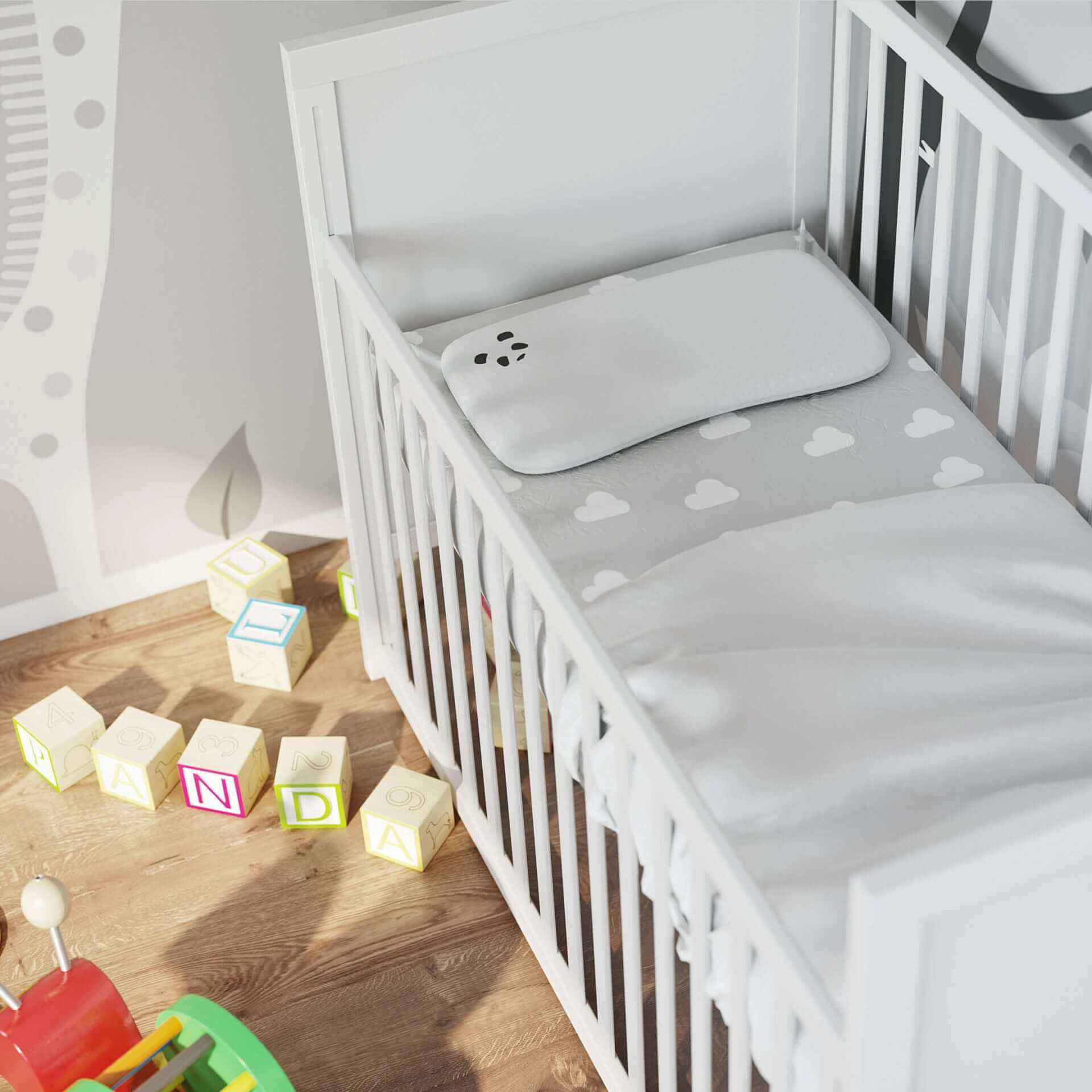
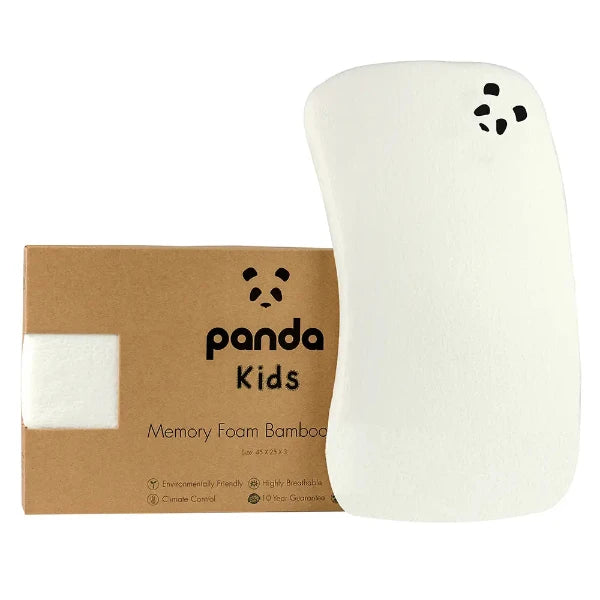
![[Pillowcovers] Baby memory foam bamboo pillow image](http://pandalondon.com/cdn/shop/products/Panda-Memory-Foam-Bamboo-Pillow-Baby.jpg?v=1771199221&width=1536)
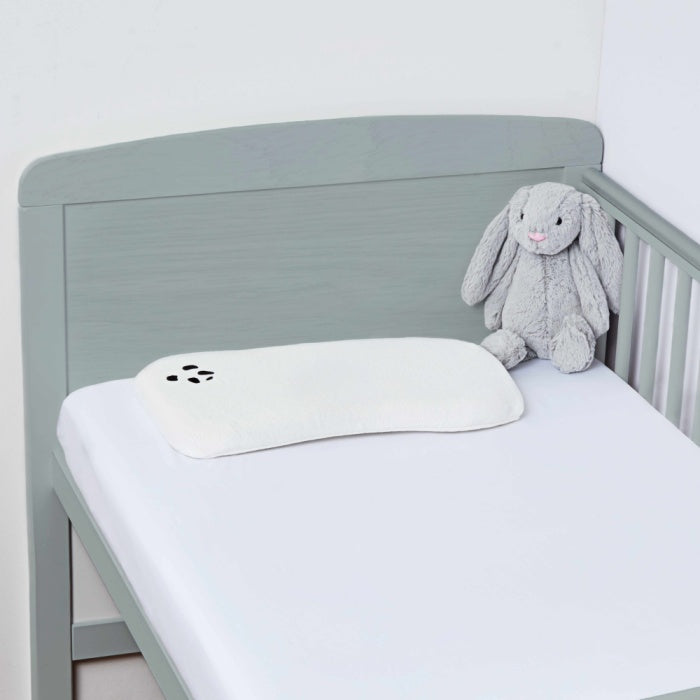
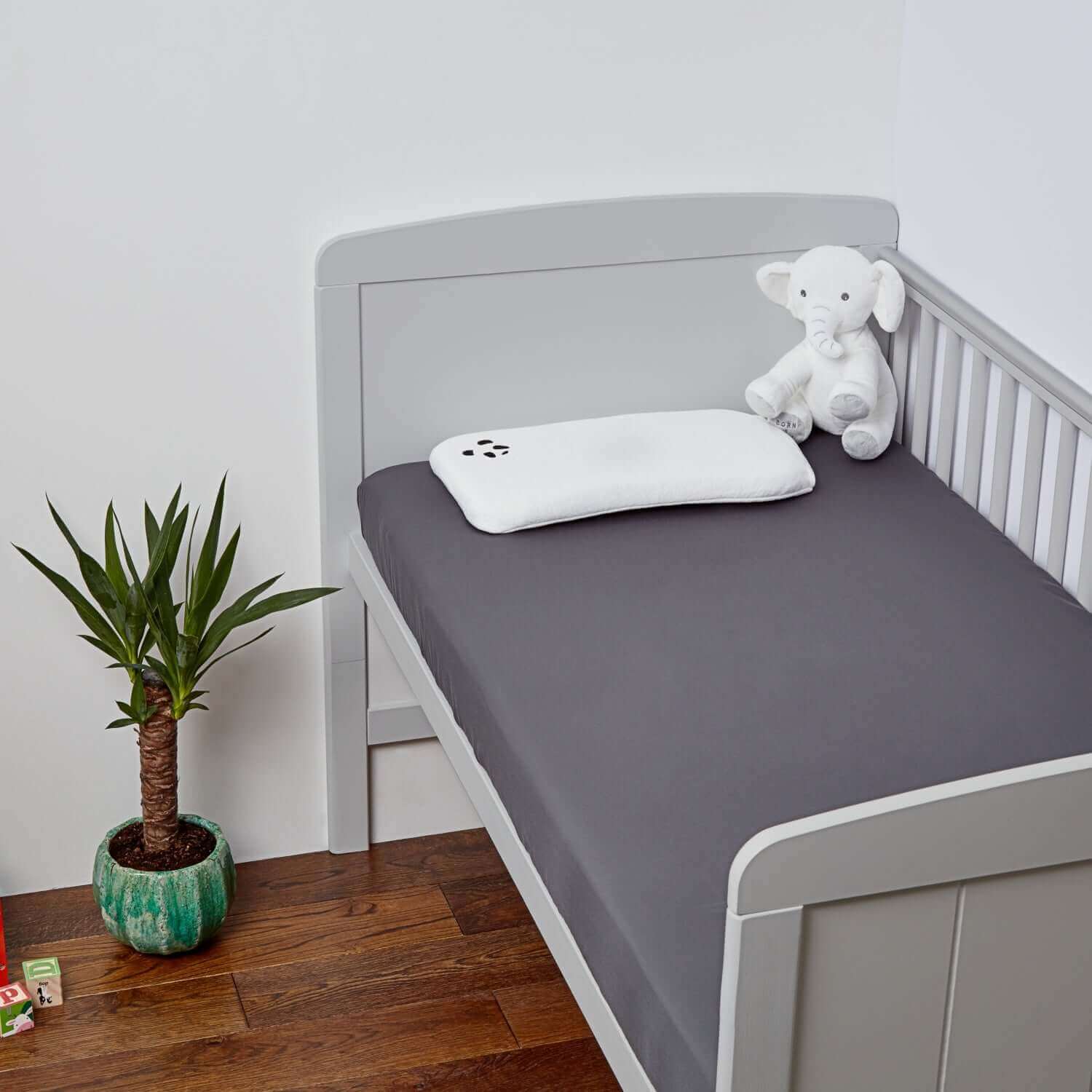
![[HybridPillow] Hybrid Bamboo Pillow - Mattress Campaign](http://pandalondon.com/cdn/shop/products/Hybrid-Bamboo-Pillow-Mattress-Campaign.jpg?crop=region&crop_height=1615&crop_left=152&crop_top=0&crop_width=1615&v=1771199164&width=1920)
![[HybridPillow] Hybrid_Bamboo_Pillow_-_Woman_laying_on_a_Hybrid_Bamboo_Pillow_with_an_Eye_Mask](http://pandalondon.com/cdn/shop/files/Hybrid_Bamboo_Pillow_-_Woman_laying_on_a_Hybrid_Bamboo_Pillow_with_an_Eye_Mask.webp?v=1783514966&width=1080)
![[HybridPillow] Hybrid_Bamboo_Pillow_02_-_Woman_taking_off_the_Hybrid_Bamboo_Pillow_Cover](http://pandalondon.com/cdn/shop/files/Hybrid_Bamboo_Pillow_02_-_Woman_taking_off_the_Hybrid_Bamboo_Pillow_Cover.webp?v=1783514763&width=1080)
![[HybridPillow] Hybrid Pillow with Panda brand marking](http://pandalondon.com/cdn/shop/products/Hybrid-Pillow_8.jpg?v=1771199164&width=1920)
![[HybridPillow] Hybrid_Bamboo_Pillow_03_-_Couple_pillow_fighting_with_Hybrid_Bamboo_Pillows](http://pandalondon.com/cdn/shop/files/Hybrid_Bamboo_Pillow_03_-_Couple_pillow_fighting_with_Hybrid_Bamboo_Pillows.webp?v=1783514763&width=1080)

