
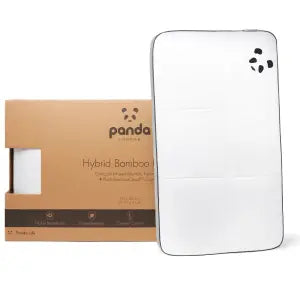
 Hybrid Bamboo Pillow
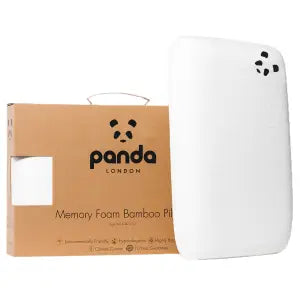 Memory Foam Bamboo Pillow
 Kids Memory Foam Bamboo Pillow
 Baby Memory Foam Bamboo Pillow
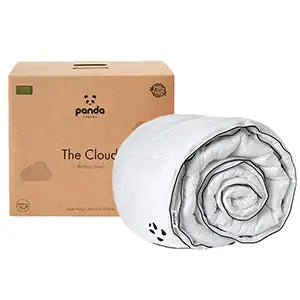 Panda Cloud Duvet
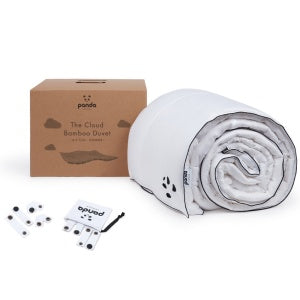 Bamboo Summer Duvet
 Kids Cloud Duvet
![[MattressTopper] Bamboo_Mattress_Topper_Package_Box-updated](http://pandalondon.com/cdn/shop/files/Bamboo_Mattress_Topper_Package_Box-updated.webp?crop=region&crop_height=1315&crop_left=92&crop_top=0&crop_width=1315&v=1782726992&width=1500)
![[MattressTopper] Woman laying on a Panda Bamboo Mattress Topper](http://pandalondon.com/cdn/shop/files/Bamboo_Mattress_Topper_Product_Image_01.webp?v=1782726484&width=1080)
![[MattressTopper] Guy laying on a Panda Bamboo Mattress Topper](http://pandalondon.com/cdn/shop/files/Bamboo_Mattress_Topper_Product_Image_02.webp?v=1782726484&width=1080)
![[MattressTopper] Woman setting up a Panda Bamboo Mattress Topper](http://pandalondon.com/cdn/shop/files/Bamboo_Mattress_Topper_Product_Image_03.webp?v=1782726484&width=1080)
![[MattressTopper] Panda London Memory Foam Bamboo Mattress Topper side](http://pandalondon.com/cdn/shop/files/Mattress_Topper_Isolated_-_resized.jpg?v=1773853354&width=800)
![[HybridMattressPro] Hybrid_Bamboo_Mattress_Pro_Product_Image_2026](http://pandalondon.com/cdn/shop/files/Hybrid_Bamboo_Mattress_Pro_Product_Image_2026.webp?v=1764944771&width=1000)
![[HybridMattressPro] A woman in white pajamas lies on her side on a mattress atop a gray upholstered bed frame in a softly lit bedroom. The mattress has a white top layer with a subtle geometric pattern and a black center band, with a small Panda Mattress logo patch visible on the side.](http://pandalondon.com/cdn/shop/files/Mattress_PRO-01.webp?v=1790672728&width=2049)
![[HybridMattressPro] Hybrid Bamboo Mattress Pro Cover Zip](http://pandalondon.com/cdn/shop/files/Hybrid_Bamboo_Mattress_Cover.jpg?v=1764944771&width=800)
![[HybridMattressPro] A woman in a cream-colored pajama set kneels beside a bed, holding down a mattress protector on a Panda Mattress to show its support and comfort.](http://pandalondon.com/cdn/shop/files/Mattress_PRO-03.webp?v=1790672728&width=2049)
![[HybridMattressPro] A woman in light pink pajamas sits on a Panda Bamboo mattress](http://pandalondon.com/cdn/shop/files/Mattress_PRO-04.webp?v=1790672728&width=2049)
![[CloudDuvet] Panda London The Cloud Bamboo Duvet Packaging](http://pandalondon.com/cdn/shop/products/Panda-London-The-Cloud-Bamboo-Duvet-Panda-Life-scaled_00a651ad-4ca3-4105-b520-12a94c1a4f71.jpg?v=1713363286&width=1920)
![[CloudDuvet] Panda London The Cloud Bamboo Duvet Rolled](http://pandalondon.com/cdn/shop/products/Duvet-Listing-Images03.jpg?v=1764079307&width=1000)
![[CloudDuvet] Guy making the bed with Panda Cloud Duvet 10.5 TOG](http://pandalondon.com/cdn/shop/files/Duvet_10.5_Tog-02.webp?v=1790607319&width=2049)
![[CloudDuvet] Guy reading a book on the bed covered with Panda Cloud Duvet 10.5 TOG](http://pandalondon.com/cdn/shop/files/Duvet_10.5_Tog-03.webp?v=1790607319&width=2049)
![[CloudDuvet] Guy making his bed with Panda Cloud Duvet 10.5 TOG](http://pandalondon.com/cdn/shop/files/Duvet_10.5_Tog-04.webp?v=1790607319&width=2049)
![[BBWhite] 100_Bamboo_Bedding_Set_Pure_White](http://pandalondon.com/cdn/shop/files/100_Bamboo_Bedding_Set_Pure_White_01.webp?v=1781082973&width=1080)
![[BBWhite] White 100% Bamboo Bedding Texture](http://pandalondon.com/cdn/shop/files/100_Bamboo_Bedding_-_Pure_White_-_Close_Up_02.webp?v=1773611287&width=1000)
![[BBWhite] 100_Bamboo_Bedding_Set_Pure_White couple laughing](http://pandalondon.com/cdn/shop/files/100_Bamboo_Bedding_Set_Pure_White_02.webp?v=1781082974&width=1080)
![[BBWhite] White 100% Bamboo Bedding Woman Duvet cover buttons](http://pandalondon.com/cdn/shop/files/hand_and_buttons_1.webp?v=1773611287&width=1000)
![[BBWhite] 100_Bamboo_Bedding_Set_Pure_White woman sleeping](http://pandalondon.com/cdn/shop/files/100_Bamboo_Bedding_Set_Pure_White_03.webp?v=1781082973&width=1080)
![[BBUrbanGrey] 100_Bamboo_Bedding_Set_Urban_Grey_guy laying on the bedding](http://pandalondon.com/cdn/shop/files/100_Bamboo_Bedding_Set_Urban_Grey_01.webp?v=1781083567&width=1080)
![[BBUrbanGrey] Cloud Duvet Urban Grey 100% Bamboo Bedding Set](http://pandalondon.com/cdn/shop/files/Cloud_Duvet_-_Grey_-_Close_up_2.webp?v=1773611287&width=1000)
![[BBUrbanGrey] 100_Bamboo_Bedding_Set_Urban_Grey_woman opening the bedding bag](http://pandalondon.com/cdn/shop/files/100_Bamboo_Bedding_Set_Urban_Grey_02.webp?v=1781083568&width=1080)
![[BBUrbanGrey] 100_Bamboo_Bedding_Set_Urban_Grey_woman making the bed](http://pandalondon.com/cdn/shop/files/100_Bamboo_Bedding_Set_Urban_Grey_04.webp?v=1781083567&width=1080)
![[BBUrbanGrey] 100_Bamboo_Bedding_Set_Urban_Grey_couple reading magazines](http://pandalondon.com/cdn/shop/files/100_Bamboo_Bedding_Set_Urban_Grey_03.webp?v=1781083567&width=1080)
![[BBNavyBlue] Deep Sea Navy Blue 100% Bamboo Bedding Set couple reading a magazine](http://pandalondon.com/cdn/shop/files/100_Bamboo_Bedding_Set_Deep_Sea_Navy_01.webp?v=1781083134&width=1080)
![[BBNavyBlue] Deep Sea Navy Blue 100% Bamboo Bedding Texture](http://pandalondon.com/cdn/shop/files/Cloud_Duvet_-_Navy_-_Close_up_2.webp?v=1773611287&width=1000)
![[BBNavyBlue] Deep Sea Navy Blue 100% Bamboo Bedding Set couple reading a magazine and smiling](http://pandalondon.com/cdn/shop/files/100_Bamboo_Bedding_Set_Deep_Sea_Navy_02.webp?v=1781083135&width=1080)
![[BBNavyBlue] Deep Sea Navy Blue 100% Bamboo Bedding Set woman resting](http://pandalondon.com/cdn/shop/files/100_Bamboo_Bedding_Set_Deep_Sea_Navy_04.png?v=1781083138&width=1080)
![[BBNavyBlue] Deep Sea Navy Blue 100% Bamboo Bedding Set guy laying and smiling](http://pandalondon.com/cdn/shop/files/100_Bamboo_Bedding_Set_Deep_Sea_Navy_03.webp?v=1781083134&width=1080)
![[BBPink] Vintage Pink Blue 100% Bamboo Bedding woman making the bed](http://pandalondon.com/cdn/shop/files/100_Bamboo_Bedding_Set_Pink_01.webp?v=1781083678&width=1080)
![[BBPink] Vintage Pink Texture 100% Bamboo Bedding](http://pandalondon.com/cdn/shop/files/Cloud_Duvet_-_Pink_-_Close_up_2.webp?v=1773611287&width=1000)
![[BBPink] Vintage Pink Blue 100% Bamboo Bedding woman hugging the pillow with vintage pink pillow case](http://pandalondon.com/cdn/shop/files/100_Bamboo_Bedding_Set_Pink_02.webp?v=1781083678&width=1080)
![[BBPink] Vintage Pink Blue 100% Bamboo Bedding woman hiding under duvet with pink duvet cover](http://pandalondon.com/cdn/shop/files/100_Bamboo_Bedding_Set_Pink_03.webp?v=1781083679&width=1080)
![[BBPink] Vintage Pink Blue 100% Bamboo Bedding woman laying and smiling on the panda bedding set](http://pandalondon.com/cdn/shop/files/100_Bamboo_Bedding_Set_Pink_04.webp?v=1781083679&width=1080)
![[BBGrey] 100_Bamboo_Bedding_Set_Quiet_Grey_ woman holding the bedding](http://pandalondon.com/cdn/shop/files/100_Bamboo_Bedding_Set_Quiet_Grey_01.webp?v=1781083287&width=1080)
![[BBGrey] Light Grey 100% Bamboo Bedding texture](http://pandalondon.com/cdn/shop/files/Texture17.webp?v=1773611287&width=1000)
![[BBGrey] 100_Bamboo_Bedding_Set_Quiet_Grey_0guy laying and smiling](http://pandalondon.com/cdn/shop/files/100_Bamboo_Bedding_Set_Quiet_Grey_02.webp?v=1781083287&width=1080)
![[BBGrey] 100_Bamboo_Bedding_Set_Quiet_Grey_0guy reading a magazine on the bed](http://pandalondon.com/cdn/shop/files/100_Bamboo_Bedding_Set_Quiet_Grey_03.webp?v=1781083287&width=1080)
![[BBGrey] 100_Bamboo_Bedding_Set_Quiet_Grey_0woman making the bed](http://pandalondon.com/cdn/shop/files/100_Bamboo_Bedding_Set_Quiet_Grey_04.webp?v=1781083287&width=1080)

If you run hot at night, you'll know the drill: kicking off the covers, flipping the pillow to the cool side, and watching the hours tick by. Hot sleeping happens when your body can't shed heat quickly enough, so your core temperature stays up — and since your body needs to cool by around 1–2°C to fall and stay asleep, that lingering warmth keeps you in a lighter, more alert state and eats into your restorative deep and REM sleep.
It's more than an inconvenience. A restless, sweaty night leaves you sluggish and short-tempered the next day, and over time it takes a real toll on your health and mood. The good news? A few considered changes to your bedroom, your bedding and your habits can make all the difference. Here's your complete guide to sleeping cool in summer 2026 and beyond.
What is a Hot Sleeper?
A hot sleeper is someone who regularly gets too warm in the night and struggles to drift off or stay asleep. It's uncomfortable and frustrating, and it can feel as though nothing helps. Poor airflow, a warm room and thick, heat-trapping bedding are usually the culprits, keeping your body temperature higher than it should be for restful sleep.
Left unchecked, sleeping hot chips away at your sleep quality — it's hard to nod off when you're too warm, and waking up hot can leave you dehydrated and headachey. Fortunately, being a hot sleeper isn't something you simply have to put up with.
How to create a cool sleep environment
Your bedroom sets the stage, so start there. Aim for a room temperature of around 16–19°C, turn off any heating, and give the space a chance to cool down properly. Good ventilation matters too: keep vents clear and, where you can, open your windows to let fresh air move through.
Beyond temperature, a few simple tweaks help keep the heat out and the air moving:
- Block the daytime sun. Keep blackout blinds or curtains closed during the day so the room doesn't heat up while you're out, then open up in the evening as things cool.
- Get the air moving. A ceiling fan draws warm air upwards, while a floor fan aimed towards the bed gives you a direct, cooling breeze. Positioning a fan opposite an open window creates a refreshing cross-breeze.
- Switch off electricals. Plugs, chargers and standby devices all give off heat, so turning them off at night keeps the room cooler (and saves a little energy).
- Sleep low if you can. Heat rises, so a ground-floor or lower room will naturally feel cooler than an upstairs one.
For a quick win on a sweltering night, try placing a frozen bottle of water in front of an oscillating fan — it turns a warm draught into a genuinely cool one. And choosing breathable bedding, like bamboo, helps air circulate around you as you settle down.
|
Expert tip Panda's Sleep Expert, Edward Gorst, recommends ditching heavy blankets for lightweight, breathable bedding and cooling mattress toppers to prevent heat build-up — and rethinking your décor, since light colours reflect heat while dark shades absorb it. |
Cool Pillows for Hot Sleepers
Your head holds onto a surprising amount of heat, so it's one of the most important areas to keep cool. A cooling pillow does exactly that, keeping your head fresh so you can nod off more easily. There are a few types to choose from — some made from bamboo, others infused with gel or built with small air vents.
A Hybrid Bamboo Pillow is a great all-rounder, pairing bamboo's moisture-wicking, thermoregulating properties with the support and comfort of memory foam. Pillows that combine these breathable materials with cooling technology are the best choice for hot sleepers. If you'd like help choosing, read our guide, How to Find the Best Cooling Pillow for Summer.

Which Bedding Accessories are Good for Hot Sleepers?
A cooling mattress topper is another smart upgrade, using the same tricks as cooling pillows — gel layers, ventilation and breathable foams — to cool your whole body. Memory foam and polyester fillings tend to trap heat, whereas hybrid, innerspring, gel and open-cell foams keep the air moving. Our Hybrid Bamboo Mattress Topper features BioCell Foam™, our bamboo-infused open-cell foam designed to counteract the natural warmth of memory foam. To dig into how bamboo keeps hot sleepers cool, read How Bamboo Hybrid Mattresses Help Reduce Nighttime Overheating.
Your sheets and pillowcases matter too. Look for breathable, moisture-wicking fabrics, and use thread count as a guide to breathability — around 200–400 is the sweet spot for hot sleepers, as tighter, higher counts trap heat. For duvets, go for a low tog (4.5 or lower) at a lightweight 90–130 GSM. A cooling eye mask can help as well, keeping your face fresh and helping you relax as you drift off.
Here's how the most popular bedding fabrics compare for staying cool:
|
Fabric |
Cooling performance |
Best use |
Notes |
|---|---|---|---|
|
Linen |
Excellent |
Sheets and duvet covers |
Highly breathable and moisture-wicking; textured, and may feel matte initially |
|
Bamboo viscose/lyocell |
Very good |
Sheets and sleepwear |
Soft and cool-feeling; choose lyocell where possible and check the care instructions |
|
Cotton |
Good |
Sheets, covers and sleepwear |
Choose lightweight percale; avoid dense sateen if you sleep very hot |
|
Polyester/nylon |
Poor |
— |
Synthetics often trap heat and moisture; avoid unless specifically engineered for cooling |
For a deeper look at how heat and moisture move through your bed, read Thermoregulation in Bedding Explained. And to find the right fabric for you, see Best Bamboo Bedding Set for Hot Sleepers.
Lifestyle Tips for Hot Sleepers
A few everyday habits can make a real difference to how hot you sleep. Start with your sleepwear: choose thin, natural, breathable fabrics like bamboo or cotton over synthetics, and opt for short sleeves rather than long — or simply wear less. Staying hydrated is one of the most effective ways to keep cool, as topping up your body's water content helps it dissipate heat.
It also pays to watch what you do in the hours before bed. Caffeine and spicy food are well known for raising your body temperature, so they're best avoided if you already sleep hot. A few other things push your core temperature up too, so try to steer clear of them close to bedtime:
- Heavy meals late in the evening
- Alcohol before bed
- A hot bath or shower
- Intense exercise within about two to three hours of sleep
To cool down instead, try a cold compress on your pulse points, and wind down with a warm (not hot) shower and gentle relaxation like light yoga — the post-shower cool-down actually helps lower your temperature. And for a quick fix on the hottest nights, these short-term hacks can give you a refreshing boost as you fall asleep:
- Pop your folded sheets or pyjamas in the freezer for a while before bed
- Chill a bandana or flannel and drape it over your neck
- Set a bowl of ice in front of your fan for an instant cool breeze
Just bear in mind these are temporary boosts rather than all-night solutions — the real difference comes from a cool room and breathable bedding.
Nighttime Routine for Hot Sleepers
Building a simple wind-down routine helps too. Open your windows or switch on your fan, get the room to the right temperature, and take a cool shower or bath before bed. Make your bedroom a calm, relaxing space and do something soothing to unwind — reading, meditating or a little self-care. Any relaxation techniques that help you ease into sleep will make hot nights that bit more manageable.
There's a difference, though, between simply sleeping hot and experiencing night sweats. Feeling warm because of the weather, the room or heat-trapping bedding is common — but true night sweats can soak your sleepwear and sheets even in a cool room, and may be linked to the menopause, medication or another medical cause. If they persist, regularly wake you or worry you, speak to your GP. You can read more in Why Your Bedding Might Be Triggering Your Night Sweats, and browse our Top 5 Cooling Bamboo Bedding Products for Night Sweats.
Cool and Restful Slumber as a Hot Sleeper
Staying cool works best as a layered approach. Start with a cool, well-ventilated bedroom, then choose lightweight, breathable bedding that lets heat and moisture escape. If you still overheat, add a cooling mattress or topper and a breathable, supportive pillow. Finally, reinforce it all with simple habits — staying hydrated, limiting alcohol and spicy food before bed, and following a calming wind-down routine.
Ready to build a cooler sleep set-up? Explore our cooling collection for hot sleepers.
FAQ
1. Why do I sleep so hot?
There are lots of reasons you might sleep hot, from the weather and a warm bedroom to heat-trapping bedding or, sometimes, a medical cause. The good news is that simple changes — like breathable bamboo bedding and a cooler room — often make a big difference.
2. What's the ideal bedroom temperature?
For most adults, the ideal bedroom temperature for sleep is around 16–19°C. If you run hot, aim for the lower end of that range.
3. What bedding is best for hot sleepers?
The best bedding for hot sleepers is lightweight, breathable and moisture-wicking. Choose natural or plant-derived fabrics like bamboo, linen or cotton, paired with a low-tog duvet in warmer weather.
4. Does a fan actually help?
Yes. A fan helps you feel cooler by improving airflow and helping sweat evaporate from your skin, even though it doesn't significantly lower the room's temperature. Position it near an open window to create a cross-breeze for the best effect.
5. What mattress is best for hot sleepers?
A hybrid mattress is best for hot sleepers. Its pocket-sprung core lets air circulate far more freely than a dense all-foam mattress, while breathable covers and gel-infused foam help disperse body heat.
6. Do cooling hacks like freezing sheets work?
Freezing your sheets can help you cool down, but the effect doesn't last long — and as the fabric warms, condensation can leave the bed feeling damp. Treat it as a short-term boost rather than a real fix.
7. When should I see a doctor about overheating or night sweats?
See your GP if your night sweats are regular, severe enough to soak your bedclothes, or come with other symptoms such as a fever or unexplained weight loss. They can check for any underlying cause.
![[HybridPillow] Hybrid Bamboo Pillow - Mattress Campaign](http://pandalondon.com/cdn/shop/products/Hybrid-Bamboo-Pillow-Mattress-Campaign.jpg?crop=region&crop_height=1615&crop_left=152&crop_top=0&crop_width=1615&v=1771199164&width=1920)
![[HybridPillow] Hybrid_Bamboo_Pillow_-_Woman_laying_on_a_Hybrid_Bamboo_Pillow_with_an_Eye_Mask](http://pandalondon.com/cdn/shop/files/Hybrid_Bamboo_Pillow_-_Woman_laying_on_a_Hybrid_Bamboo_Pillow_with_an_Eye_Mask.webp?v=1783514966&width=1080)
![[HybridPillow] Hybrid_Bamboo_Pillow_02_-_Woman_taking_off_the_Hybrid_Bamboo_Pillow_Cover](http://pandalondon.com/cdn/shop/files/Hybrid_Bamboo_Pillow_02_-_Woman_taking_off_the_Hybrid_Bamboo_Pillow_Cover.webp?v=1783514763&width=1080)
![[HybridPillow] Hybrid Pillow with Panda brand marking](http://pandalondon.com/cdn/shop/products/Hybrid-Pillow_8.jpg?v=1771199164&width=1920)
![[HybridPillow] Hybrid_Bamboo_Pillow_03_-_Couple_pillow_fighting_with_Hybrid_Bamboo_Pillows](http://pandalondon.com/cdn/shop/files/Hybrid_Bamboo_Pillow_03_-_Couple_pillow_fighting_with_Hybrid_Bamboo_Pillows.webp?v=1783514763&width=1080)
![[SummerDuvet] Main Image for SUmmer Cloud Duvet Packagewith SnuggleSnaps](http://pandalondon.com/cdn/shop/files/Summer_Cloud_Duvet_Main_Image.jpg?v=1748002616&width=1000)
![[SummerDuvet] Bamboo_Summer_Duvet_01_-_Woman_hugging_Cloud_Summer_Duvet](http://pandalondon.com/cdn/shop/files/Bamboo_Summer_Duvet_01_-_Woman_hugging_Cloud_Summer_Duvet.webp?v=1783516814&width=1080)
![[SummerDuvet] Bamboo_Summer_Duvet_02_-_Corner_of_the_Bamboo_Summer_Duvet](http://pandalondon.com/cdn/shop/files/Bamboo_Summer_Duvet_02_-_Corner_of_the_Bamboo_Summer_Duvet.webp?v=1783516814&width=1080)
![[SummerDuvet] Bamboo_Summer_Duvet_03_-_Snuggle_snaps_for_Cloud_Bamboo_Summer_Duvet](http://pandalondon.com/cdn/shop/files/Bamboo_Summer_Duvet_03_-_Snuggle_snaps_for_Cloud_Bamboo_Summer_Duvet.webp?v=1783516814&width=1080)
![[SummerDuvet] SnuggleSnaps](http://pandalondon.com/cdn/shop/files/Summer_Cloud_Snuggle_Snaps_Image_Webp.webp?v=1772559716&width=1500)

