
 Hybrid Bamboo Pillow
 Memory Foam Bamboo Pillow
 Kids Memory Foam Bamboo Pillow
 Baby Memory Foam Bamboo Pillow
 Panda Cloud Duvet
 Bamboo Summer Duvet
 Kids Cloud Duvet


Quick Answer:
As the nights draw in and temperatures drop, give your bedroom a warmer feel with heavier bedding, extra layers and soft, autumnal colours. Start with what you already own: add a blanket, switch to a winter duvet if needed and keep draughts at bay. The principle is simple: build warmth with natural materials and thoughtful layers, rather than buying new synthetic bedding or replacing your whole bedroom setup.
As autumn gives way to winter and the urge to wrap up warm grows stronger, a cosy bedroom becomes somewhere to retreat from the cold with soft bedding and extra layers to snuggle under. But warmth should feel comfortable, without leaving you clammy and sweaty by morning.
Achieving that balance doesn’t have to mean a complete bedroom makeover. From choosing breathable bedding to making better use of blankets, curtains and natural textures, small seasonal changes can help your space feel warmer and more inviting. These eco-friendly autumn and winter bedroom ideas focus on thoughtful choices: using what you have, choosing lasting pieces when you need them and adding comfort with less waste.

What actually changes when the seasons turn?
A bedroom that feels comfortable in August can feel chilly by November. As temperatures fall, light summer bedding may need an extra layer, and draughts around windows or doors become more noticeable. The aim is adjustable warmth: enough to feel snug when getting into bed, with layers that are easy to fold back if the night turns mild.
Light changes, too. Shorter days make daylight feel more precious, while longer evenings call for gentle bedside lighting. Keeping windows clear during the day and drawing curtains as darkness falls helps the room shift from bright to cosy.
You may also spend more time here, reading beneath a blanket or easing into a slower morning. That makes comfort beyond the bed worth considering. A rug beside the bed softens the first step onto a cold floor, while a throw within reach adds warmth without changing the bedding. These seasonal shifts give each update a purpose, from what goes on the bed to what sits underfoot.

Natural materials that hold warmth
Autumn and winter bedding needs to balance warmth with breathability, especially when the heating comes on. The right combination helps you feel snug without piling on more insulation than you need.
In early autumn, bamboo bedding offers a soft, breathable layer for nights that shift between mild and chilly. Keep your existing duvet and add a removable throw before switching to heavier bedding. Organic cotton also suits this transitional period: its absorbent fibres help manage moisture, while a brushed finish adds a warmer feel as temperatures drop. The organic label describes how the cotton is grown; the weave and finish influence how it feels.
French linen can stay on the bed beyond summer, too. Pair its relaxed texture with a warmer duvet as winter approaches. Panda’s bamboo & French linen bedding combines both materials in a breathable fabric that works with changing layers.
For colder nights, a wool blanket adds insulation while helping absorb and release moisture vapour. That moisture management is useful when heating and heavier bedding make the bed feel too warm. Learn more about wool’s properties.
Natural fibres can offer a less clammy alternative to some polyester fabrics, although weave, filling and thickness matter too. For the wider sustainability considerations, see our eco bedroom décor trends guide.
Autumnal colour palette
The autumn colour palette takes its cue from what’s happening outside. Rust, terracotta and ochre pick up the colours of turning leaves, while forest green and rich brown add depth and keep the warmer shades grounded. Together, they give a bedroom a cocooning feel as the weather cools.
You don’t need much of any one colour. A terracotta cushion cover, an ochre throw or rust-coloured bed linen can be enough to bring autumn into the room, especially against neutral walls and bedding. For a calmer look, choose one warm shade and repeat it in two or three places.
Natural textures help these colours look their best. Linen, wool and wood soften warm tones and stop them feeling heavy, which matters as the days get shorter and the light gets lower.
Winter colour palette
As temperatures drop further, winter’s richer colours come into their own. Holly berry red, emerald green and cobalt blue bring depth to a bedroom, while burgundy, navy and warm grey offer a softer, more muted palette for the darker months.
There’s no need to redecorate to introduce these shades. An emerald throw over neutral bedding, burgundy cushion covers or a cobalt blanket folded at the foot of the bed can shift the mood for winter. Start with pieces you already own and bring them into rotation as autumn’s lighter layers are put away.
Texture helps these colours feel inviting. Try a deep red wool blanket against relaxed linen, or navy bedding alongside warm wood. Keep larger surfaces neutral if you prefer a lighter room, allowing a few rich accents to provide the seasonal change.
Bringing the outdoors in
Autumn and winter bedroom décor lends itself to sustainable materials that bring a touch of the outside into your home. If you’re looking for new or perhaps vintage furniture, look at products made with reclaimed wood, jute, bamboo, cork or recycled metal. You can also try biophilic design, which means bringing natural elements into the room to create a connection with nature. Bring a little calm to your bedtime surroundings. A touch of greenery can make your bedroom feel like a more relaxing place to unwind, and having plants may help to lower stress levels.
Layering for warmth
Layering lets you adjust your bed as autumn turns to winter, without replacing everything at the first cold spell. Start with a duvet that suits your bedroom temperature and how warm you tend to sleep. A higher tog means greater insulation, but the thickest option isn’t always the most comfortable, particularly with the heating on. Our duvet tog guide can help you choose.
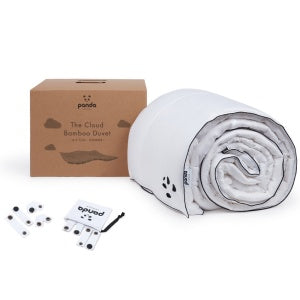
Panda’s Cloud Duvet has a 10.5 tog rating, a bamboo cover and a filling that blends bamboo with Nano-Microfibre™. It offers a starting point for a layered bed, with extra warmth added when needed.
In early autumn, keep a throw folded at the foot of the bed, ready to pull over your legs on cooler nights. As winter settles in, spread it across the duvet for another layer of insulation. Use a blanket you already own and choose a weight that’s easy to fold back if you wake feeling warm.
For an especially chilly bed, an electric blanket can take the edge off before you climb in. Follow its instructions for placement and use, and switch it off before sleeping unless it is specifically designed for overnight use.
For fragrance ideas to complement your seasonal bedroom refresh, explore our guide to autumnal scents and textures for cosy season.
Work with what you already have
Before buying anything for a seasonal refresh, take a look at what’s already in your bedroom and tucked away in cupboards. A forgotten blanket, spare cushion cover or bedside lamp might be all you need to make the space feel cosier for autumn and winter.
Start by clearing surfaces and putting away items that no longer earn their place. Keep bedside essentials within reach, give books a home and store lighter summer bedding somewhere clean and dry. Decluttering doesn’t mean stripping the room of personality; it gives favourite pieces more room to be enjoyed.
Next, try restyling. Move a throw from the living room to the foot of the bed, swap cushion covers between rooms or bring a rug alongside the bed for chilly mornings. Rearrange a reading chair to catch the daylight, keeping furniture clear of radiators so warmth can circulate.
If something needs replacing, identify the gap before shopping. New bed linen can refresh the room, but there’s no need to replace a serviceable set simply because the season has changed.
For pieces you genuinely need, consider second-hand finds or a simple repair; our eco bedroom décor trends guide explores vintage furniture and upcycling in more detail.
For pieces you genuinely need, consider second-hand finds or a simple repair; our eco bedroom décor trends guide explores vintage furniture and upcycling in more detail.
FAQ
1. What colours work best in an autumn bedroom?
Rust, terracotta, ochre, forest green and rich brown all bring autumnal warmth to a bedroom. Introduce them through blankets, cushion covers or bedding you already own, and keep larger surfaces neutral so the room still feels light as the days get shorter.
2. How do I make my bedroom warmer without turning up the heating?
Reduce draughts around windows and doors without blocking ventilation, and close curtains as darkness falls. Add a rug beside the bed for comfort underfoot, then layer a blanket over a duvet with a suitable tog rating. Keep furniture and curtains clear of radiators so existing warmth can circulate.
3. Which bedding materials are best for winter?
Wool provides insulation, while bamboo, cotton and linen can offer comfortable, breathable layers against the skin. Pair your preferred bed linen with a duvet that suits your room temperature and sleeping habits. Warmth depends on the fabric’s construction, duvet filling and TOG rating, rather than fibre alone.
4. Are houseplants good for a bedroom?
Houseplants can make a bedroom feel more inviting, but a few pots won’t meaningfully improve air quality or sleep. Most plants take in oxygen at night rather than releasing it; succulents and snake plants are the exception. Choose greenery because you enjoy it, not for a sleep benefit.
5. How can I refresh my bedroom for winter without buying anything new?
Put away summer bedding, clear bedside clutter and bring out blankets or cushion covers in richer colours. Move a rug alongside the bed, borrow a throw from another room and rearrange a chair to catch the daylight. Small changes can make familiar pieces feel fresh.
About the Author:
Jo has been a freelance writer (and photographer) for almost 25 years, covering a wide range of topics. These days, she specialises in writing about interior design, sleep and photography, as well as reviewing a huge range of home products. Jo lives in South Bucks but has also lived in New Zealand and Botswana, where she worked as a photographer on a nature reserve. Having travelled extensively around the world and slept on some rickety old beds, Jo is passionate about the importance of a good mattress and decent bedroom setup, contributing to some of the UK's major publications such as Tech Radar and Homes and Gardens. When she’s not working, Jo spends her time looking after a variety of foster cats with her husband, catching up with friends, travelling or simply reading a good book.


